
Iran Moves to Charge Ships Using Strait of Hormuz as Shipping Crisis Deepens
Iran has advanced a plan to charge authorized ships for services in the Strait of Hormuz, adding a new layer of uncertainty to an already disrupted global shipping route.
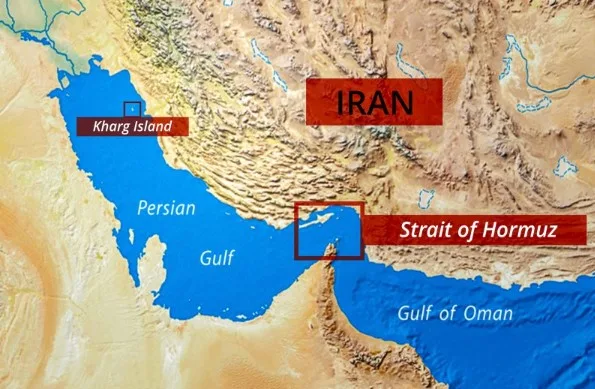
Iran has taken a significant step towards formally charging commercial vessels using the Strait of Hormuz, after its parliament’s National Security and Foreign Policy Commission approved a provision allowing fees to be collected from ships authorised to transit the strategic waterway.
The measure, approved on Sunday, forms part of Article 3 of a proposed “Strategic Action Plan to Ensure the Security and Development of the Strait of Hormuz”. Commission spokesman Hassan Qashqavi said the provision covers charges for maritime navigation, environmental services, insurance, safety, fuel supplies in special circumstances and other services provided by Iran. The fees could be collected in Iranian rials or another currency designated by Tehran.
The wording matters. Iran is presenting the charges as payment for services rather than simply imposing a toll on ships for the right to pass through the strait. But the practical effect could still be a new cost for international shipping companies operating through one of the world's most important maritime chokepoints.
The latest decision does not, however, mean the fees have become fully enforceable Iranian law. The provision was approved by the parliamentary committee, but the bill still has to go before the full parliament. If approved there, it would then face review by the Guardian Council before it could take effect.
Tehran has also sought to frame the proposal within its interpretation of maritime sovereignty. Qashqavi said the plan recognises freedom of navigation under international law while also emphasising the security and sovereignty of countries bordering the strait. Iran has repeatedly argued that the security arrangements governing the Persian Gulf and Hormuz must take account of the rights of coastal states.
The move comes against an unusually tense backdrop. Shipping through Hormuz has fallen dramatically during the conflict involving Iran and the United States and its wider regional consequences. Reuters reported that fewer than 20 commodity vessels crossed the strait over the weekend, compared with much higher pre-conflict traffic, while Kpler data showed activity during the week ending August 21 was roughly 90% below its previous baseline.
That disruption has already raised the stakes for energy markets. The Strait of Hormuz normally carries a substantial share of global oil and gas shipments, making any additional restriction, cost or uncertainty potentially significant for producers, traders, insurers and consumers. Reuters has reported that the decline in shipping is already contributing to severe pressure in Asian refined-fuel markets, with August imports of light and middle distillates down sharply from pre-conflict levels.
Iran's attempt to formalise fees is also not entirely new. In March, Bloomberg reported that some vessels were already being asked to pay transit-related charges of up to about $2 million per voyage on an ad hoc basis. At the time, the payments appeared to be informal rather than part of a systematic legal framework. The new parliamentary provision could give Tehran a domestic legal structure for a more formalised system.
The proposal is likely to face questions beyond Iran's domestic legislative process. Shipping interests and legal experts have previously challenged the idea of compulsory payments for passage through Hormuz, arguing that describing them as service fees does not necessarily resolve the underlying international-law issue. Earlier reporting also indicated that proposed charges could create problems with sanctions and maritime insurance, particularly for vessels dealing with Iranian authorities.
There are also signs that Tehran is applying its control selectively rather than simply shutting the waterway completely. On Saturday, Iran granted permission for several Iraqi oil tankers to pass through Hormuz following diplomatic efforts by Baghdad. Reuters reported that Iraq is simultaneously exploring alternative export routes through Turkey, Syria and Jordan as it seeks to reduce its exposure to the strait.
Iran's latest move therefore goes beyond the question of collecting money from ships. It is part of a broader attempt by Tehran to establish rules for who can use Hormuz, under what conditions and with what obligations, while the waterway remains at the centre of a wider confrontation.
For global shipping and energy markets, the bigger concern is whether a temporary wartime arrangement becomes a lasting feature of one of the world's most important trade corridors. If Iran ultimately turns the proposed framework into enforceable law, shipowners could face not only higher costs but also greater uncertainty over access, insurance and compliance. With traffic already severely disrupted, even a formal fee system could become another factor shaping the price and availability of energy far beyond the Gulf.
More on Middle East
Middle East
Hormuz Standoff Escalates as Iran and US Exchange Military, Economic Strikes
9 Sept 2026
Middle East
Hormuz Standoff Deepens as Iran Demands US Lift Sanctions Before Reopening
10 Aug 2026
Middle East
Iran, Oman Agree on Hormuz Revenue Shares as Waterway Talks Advance
26 Aug 2026
Middle East
Trump Halts Planned Iran Strikes as Diplomatic Talks Raise Hopes for Strait of Hormuz Deal
2 Aug 2026
Middle East
US and IRGC Trade Fire as Oil Tankers Come Under Attack in Hormuz
6 Sept 2026
You may also like

Middle East
Qatar PM Heads to Iran in Fresh Push to Revive US-Iran Talks.
27 Aug 2026
Middle East
Iran President Says It Is Time to End War While Tehran Holds ‘Position of Strength’
21 Aug 2026
Middle East
Iran Calls on World Leaders to Stop US Military Strikes After Fresh Attacks
5 Sept 2026
Middle East
Russia Secretly Helping Iran Develop Supersonic Missiles, Intelligence Reports Claim
2 Sept 2026
Middle East
Houthis Reportedly Seize Yemen's Strategic Red Sea Port of Mokha
11 Sept 2026
Middle East
UAE President, Trump Discuss Middle East Crisis in Phone Call.
3 Sept 2026