
Russia Secretly Helping Iran Develop Supersonic Missiles, Intelligence Reports Claim
Western intelligence reports allege Moscow is covertly supporting Iran’s advanced missile programme, a claim neither country has accepted.
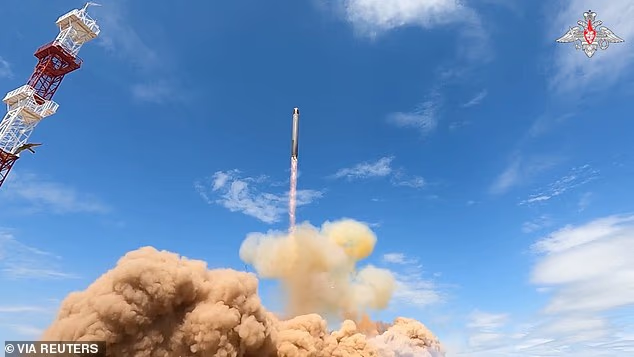
Fresh intelligence reports have intensified concerns over military cooperation between Russia and Iran, with Western officials alleging that Moscow is secretly assisting Tehran in the development of supersonic missile technology capable of significantly strengthening Iran’s long-range strike capabilities. The claims, which have not been independently verified, come amid growing scrutiny of the deepening strategic partnership between the two countries.
According to officials familiar with the intelligence assessments, Russia is accused of providing technical expertise, research support and specialised knowledge that could accelerate Iran’s efforts to build missiles capable of travelling at speeds exceeding Mach 5. Such weapons are considerably harder to intercept than conventional ballistic and cruise missiles, making them a major concern for regional defence planners.
Neither the Russian nor Iranian governments have publicly acknowledged the allegations. Moscow has consistently maintained that its military cooperation with Iran complies with international law, while Tehran has repeatedly insisted that its missile programme is entirely indigenous and intended for defensive purposes. No publicly released evidence has conclusively confirmed the latest intelligence claims.
The reports emerge against the backdrop of an increasingly close relationship forged since Russia’s invasion of Ukraine. Iran has been accused by Western governments of supplying drones and other military equipment to Russia for use in the conflict, allegations Tehran has denied or sought to minimise. In return, intelligence analysts have long speculated that Russia could provide advanced military technologies to Iran, although much of that cooperation has remained opaque.
Security experts say the development of operational supersonic missiles would represent a significant leap beyond Iran’s existing missile arsenal. While Tehran has previously unveiled what it described as hypersonic or high-speed missile systems, independent analysts have questioned the extent of those capabilities, arguing that public demonstrations have not conclusively proven the technologies perform as claimed.
The allegations are likely to heighten tensions across the Middle East, particularly as Israel, Gulf states and Western allies continue to monitor Iran’s expanding missile and drone programmes. They also arrive at a time when diplomatic efforts to reduce regional instability remain fragile, with military deterrence increasingly shaping security calculations across the region.
For now, the reports remain allegations rather than established fact. Yet they underscore a broader geopolitical reality: the strategic alignment between Russia and Iran is becoming increasingly consequential, with any confirmed transfer of advanced missile technology carrying implications not only for the Middle East but for the global balance of military power.
More on Middle East
Middle East
Iran Calls on World Leaders to Stop US Military Strikes After Fresh Attacks
5 Sept 2026
Middle East
Iran President Admits US Sanctions Are Hurting Economy as Pressure Mounts
29 Aug 2026
Middle East
Iran, Oman Agree on Hormuz Revenue Shares as Waterway Talks Advance
26 Aug 2026
Middle East
Iran Moves to Charge Ships Using Strait of Hormuz as Shipping Crisis Deepens
24 Aug 2026
Middle East
Trump Expands Iran Pressure, Threatens Countries Providing Tehran a ‘Lifeline’
22 Aug 2026
You may also like
Middle East
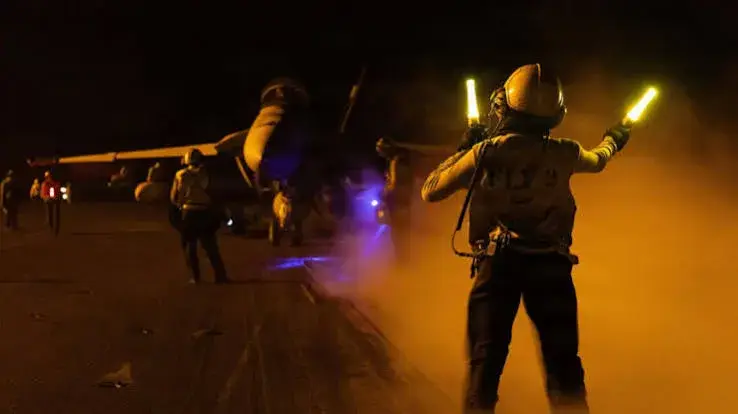
Hormuz Standoff Escalates as Iran and US Exchange Military, Economic Strikes
9 Sept 2026
Middle East
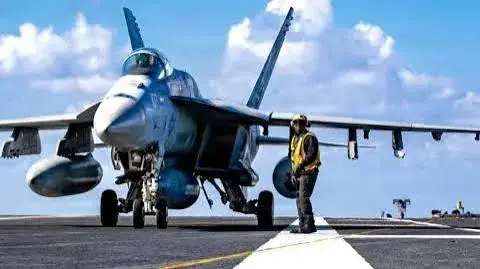
Iran Says 18 Killed After U.S. Bombardment as Trump Warns of Fresh Attacks
3 Sept 2026
Middle East
US, Iran Exchange Fresh Attacks as Middle East Tensions Spiral Again
2 Sept 2026
Middle East
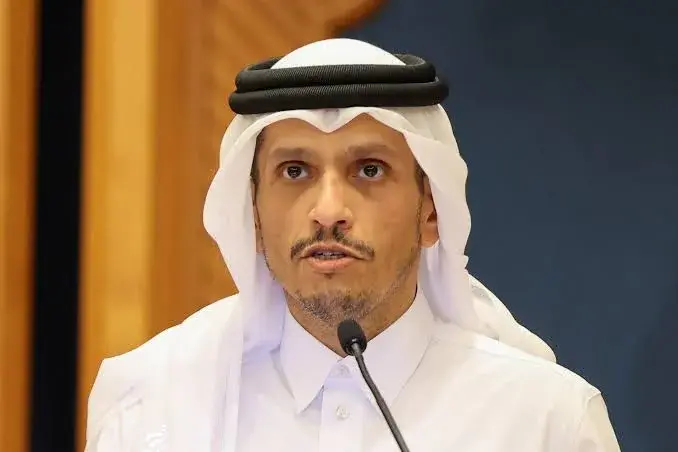
Qatar PM Heads to Iran in Fresh Push to Revive US-Iran Talks.
27 Aug 2026
Middle East
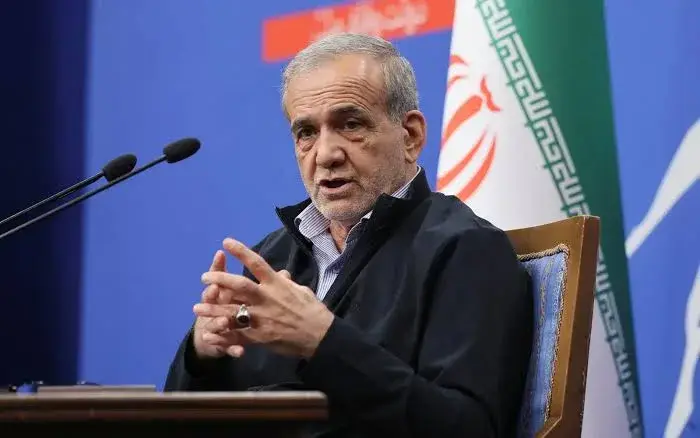
Iran Warns Countries Joining US Sanctions They Will Be Treated as Enemies
23 Aug 2026
Middle East
US and Iran Hold First Talks Since June After Trump’s “Annihilate” Threat
24 Sept 2026