Iran Warns Countries Joining US Sanctions They Will Be Treated as Enemies
Tehran has threatened retaliation against countries that join Washington’s expanding economic campaign against Iran
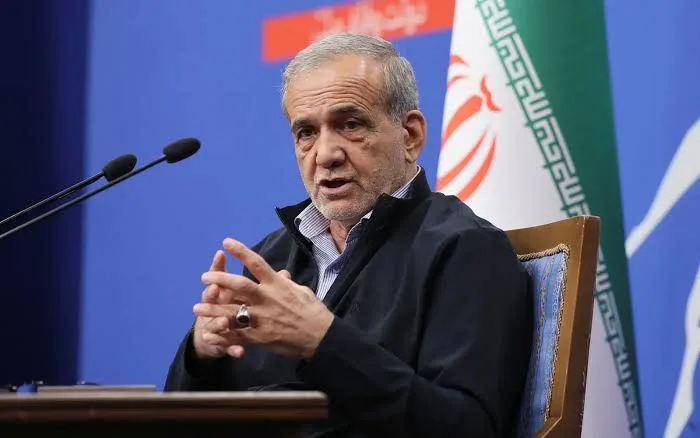
Iran has warned neighbouring countries and other governments against joining the United States’ campaign to tighten economic pressure on Tehran, saying countries that participate in the sanctions effort will be treated as enemies.
The warning came from Mohsen Rezaei, secretary of Iran’s Supreme National Security Council, in an interview broadcast on Iranian state television. Rezaei said Tehran would first seek to persuade countries to stay out of the US-led economic campaign, but warned that those that refused could see their interests targeted.
“We declare to all countries... do not join the economic war waged by the United States,” Rezaei said, according to reports of the interview. He added that any country participating in imposing economic restrictions on Iran would be regarded as an enemy.
Rezaei's warning comes as US President Donald Trump prepares to intensify economic pressure on Iran. Trump has described the planned measures as an unprecedented campaign of economic warfare and isolation, while US Treasury Secretary Scott Bessent has indicated that Washington intends to unveil what he calls the toughest sanctions yet against Tehran.
Washington has also been pressing countries that continue doing business with Iran to cooperate with the campaign. China, one of Iran's most important economic partners and a major buyer of Iranian oil, has criticized the US approach, arguing that sanctions will not resolve the conflict.
The pressure is already producing difficult choices for countries with commercial interests in Iran. The United Arab Emirates, one of Tehran's major trading partners, announced this week that it was suspending trade and financial transactions with Iran until further notice. The decision highlights the growing pressure on regional economies caught between maintaining ties with Iran and avoiding confrontation with Washington.
Iran's latest warning goes beyond diplomatic criticism. Rezaei said Tehran could retaliate against the interests of countries that cooperate with Washington and suggested that Iran could use its influence over regional oil routes as part of its response. He warned that if neighbouring states joined the US campaign, Iran would seek to prevent oil from leaving the Persian Gulf and the Strait of Hormuz.
That threat carries international significance because the Strait of Hormuz is one of the world's most important energy corridors. Any sustained disruption could affect oil supplies, shipping costs and energy prices far beyond the Middle East. Reuters reported that oil transit through the waterway has already been sharply reduced amid the conflict and restrictions on shipping.
Tehran's message also comes as diplomatic efforts continue alongside the escalating rhetoric. Pakistan's army chief, General Asim Munir, is due to visit Tehran as Islamabad attempts to support regional peace efforts and maintain channels between Iran and the United States. Iranian President Masoud Pezeshkian has also indicated that a diplomatic solution remains possible, despite the continuing confrontation.
Iran's government maintains that the US sanctions campaign will ultimately fail. Foreign Minister Abbas Araqchi has criticised Washington's approach as a repetition of strategies that have not achieved their objectives, while Tehran continues to argue that negotiations must be based on what it considers mutual respect and fair terms.
For Washington, however, the calculation is different. The Trump administration appears to be betting that cutting Iran off from international trade and financial networks will create enough economic pressure to force Tehran to make concessions. The challenge is that secondary sanctions can also create friction with countries that have no interest in adopting Washington's Iran policy.
The latest warning therefore raises the stakes beyond the US-Iran confrontation itself. If more governments comply with Washington, Tehran could increasingly view their economic decisions as hostile acts; if major trading partners resist, the sanctions campaign could become a broader dispute over trade, energy and sovereignty.
The broader significance is that Iran's economic confrontation with the United States is rapidly becoming a test for the entire regional trading system. Countries such as China, the UAE and others are being forced to weigh commercial interests against geopolitical pressure, while the threat of retaliation raises the cost of choosing either side. With the Strait of Hormuz and global energy markets already under strain, the next round of sanctions could determine whether the conflict remains primarily an economic standoff or develops into a much wider regional crisis.
More on Middle East
Middle East
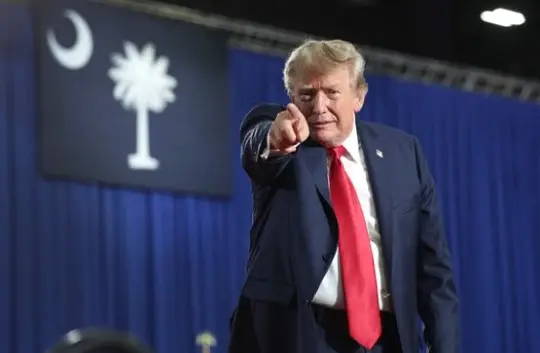
Trump Expands Iran Pressure, Threatens Countries Providing Tehran a ‘Lifeline’
22 Aug 2026
Middle East
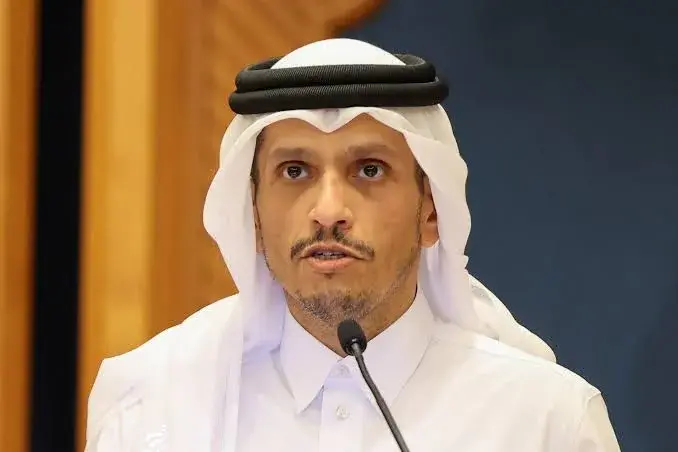
Qatar PM Heads to Iran in Fresh Push to Revive US-Iran Talks.
27 Aug 2026
Middle East
Iran President Says It Is Time to End War While Tehran Holds ‘Position of Strength’
21 Aug 2026
Middle East
Hormuz Standoff Escalates as Iran and US Exchange Military, Economic Strikes
9 Sept 2026
Middle East
Iran Says 18 Killed After U.S. Bombardment as Trump Warns of Fresh Attacks
3 Sept 2026
You may also like
Middle East
Iran President Admits US Sanctions Are Hurting Economy as Pressure Mounts
29 Aug 2026
Middle East
Hormuz Standoff Deepens as Iran Demands US Lift Sanctions Before Reopening
10 Aug 2026
Middle East
Iran Calls on World Leaders to Stop US Military Strikes After Fresh Attacks
5 Sept 2026
Middle East
US, Iran Exchange Fresh Attacks as Middle East Tensions Spiral Again
2 Sept 2026
Middle East
Iran, Oman Agree on Hormuz Revenue Shares as Waterway Talks Advance
26 Aug 2026
Middle East
Trump Turns Up Pressure on Oman With Bombing Threat Over Iran Deal
17 Aug 2026