Trump Expands Iran Pressure, Threatens Countries Providing Tehran a ‘Lifeline’
Donald Trump has warned countries helping Iran that they could face severe economic consequences as Washington tightens pressure on Tehran.
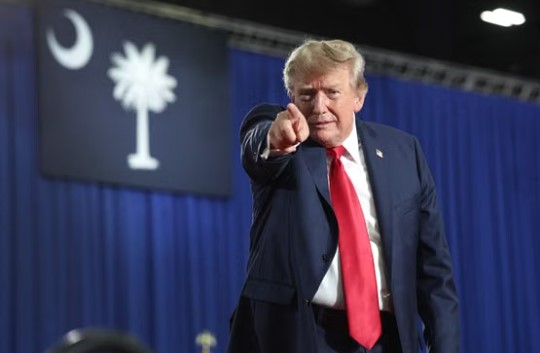
US President Donald Trump has threatened economic punishment against countries that provide Iran with financial or commercial support, widening Washington's pressure campaign as the confrontation between the United States and Tehran enters a dangerous new phase.
Trump issued the warning this week as his administration moved toward what Treasury Secretary Scott Bessent described as the “toughest sanctions in history” against Iran. The measures are intended to put further pressure on Tehran's economy and force changes in its conduct, although Washington has not yet provided a complete list of the penalties that could be imposed on third countries.
Trump said any country providing Iran with a “lifeline” could face consequences, framing the campaign as an effort to cut off the economic channels that allow Tehran to withstand American pressure. His administration has increasingly focused not only on Iran itself but also on foreign companies and governments that continue to trade with the country.
The warning is particularly significant for China, which remains a major buyer of Iranian oil. Reuters reported that Chinese buyers account for more than 80 per cent of Iran's shipped oil, according to data from Kpler. Bessent has therefore urged Beijing to cooperate with Washington, but China has rejected the idea that sanctions are an effective solution to the crisis.
The threat comes as the United States and Iran remain locked in a conflict that has lasted almost six months. Active military operations have been accompanied by an increasingly intense economic confrontation, while efforts to reach a lasting political settlement have stalled.
The Strait of Hormuz remains at the centre of the dispute. The waterway is one of the world's most important oil-shipping routes, and its disruption has already reduced the volume of petroleum moving through the strait. US officials say oil transit has fallen sharply from more than 20 million barrels per day before the conflict to about 8 million barrels per day.
The economic consequences are already being felt beyond Iran. Oil prices climbed after Trump's latest escalation, with Brent crude rising above $94 a barrel and West Texas Intermediate reaching its highest level of the month in one market reaction. Investors remain concerned that further restrictions on Iranian oil exports or shipping could tighten global supplies.
Iran has rejected the American campaign. Foreign Ministry spokesman Esmaeil Baghaei described the latest US sanctions as an assault on the sovereignty of other states and accused Washington of returning to what he called “full-scale classic colonialism.” Iranian officials have also warned that further US pressure could trigger a forceful response.
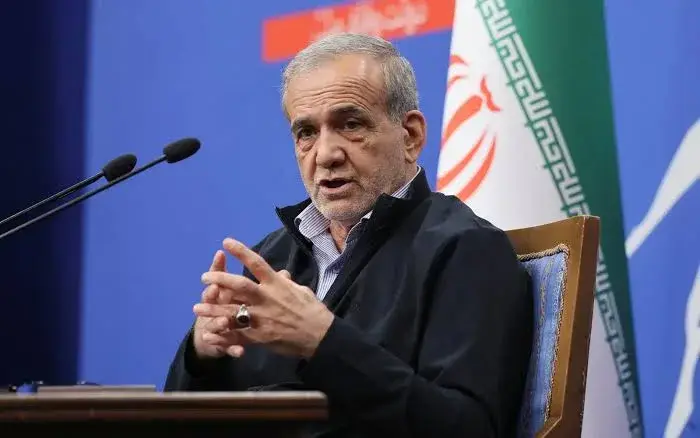
Iranian President Masoud Pezeshkian has nevertheless signaled an interest in ending the conflict, saying it may be time to conclude the war while Tehran remains in what he described as a position of strength. The statement suggests that diplomatic possibilities have not disappeared entirely, even as the rhetoric between Washington and Tehran continues to harden.
The US strategy carries a particular complication: secondary sanctions can put Washington at odds with countries that do not share its Iran policy. Targeting major trading partners could deepen tensions with China and other states, while forcing companies to choose between access to American financial markets and continued business with Iran.
For Iran, the latest pressure comes after years of US sanctions and a period of severe economic disruption. Washington's calculation is that escalating financial isolation will eventually force Tehran to make concessions. Tehran's response so far suggests that it remains prepared to absorb substantial economic pain rather than accept American demands without a negotiated settlement.
The broader significance is that Trump's warning has transformed the Iran confrontation into an increasingly global economic contest. The next stage may not be determined solely by what happens between Washington and Tehran, but by whether countries such as China and other trading partners are willing to comply with the US campaign or resist it. If the sanctions expand into a wider struggle over oil, shipping and international trade, the consequences could reach far beyond the Middle East, affecting energy prices, inflation and relations between the world's major powers.
More on Middle East
Middle East
Iran Says 18 Killed After U.S. Bombardment as Trump Warns of Fresh Attacks
3 Sept 2026
Middle East
Iran Warns Countries Joining US Sanctions They Will Be Treated as Enemies
23 Aug 2026
Middle East
Trump Turns Up Pressure on Oman With Bombing Threat Over Iran Deal
17 Aug 2026
Middle East
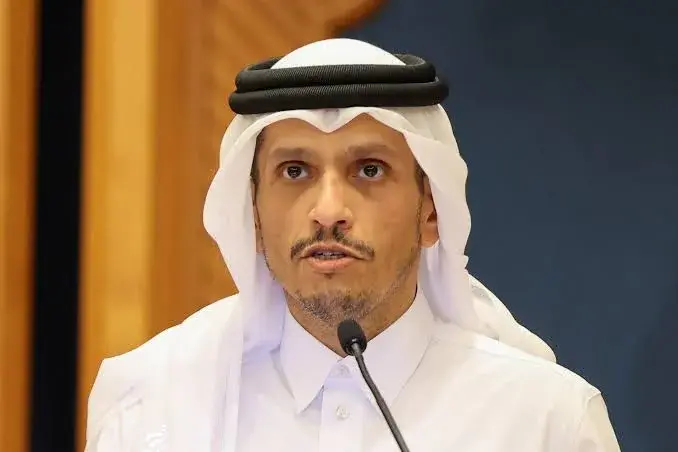
Qatar PM Heads to Iran in Fresh Push to Revive US-Iran Talks.
27 Aug 2026
Middle East
Iran President Says It Is Time to End War While Tehran Holds ‘Position of Strength’
21 Aug 2026
You may also like
Middle East
Trump Halts Planned Iran Strikes as Diplomatic Talks Raise Hopes for Strait of Hormuz Deal
2 Aug 2026
Middle East
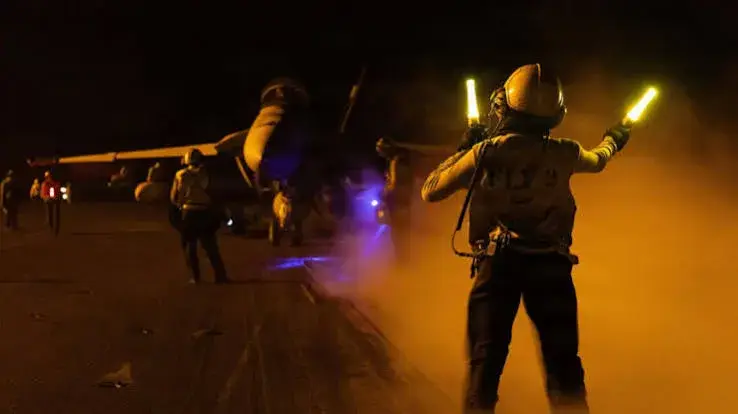
Hormuz Standoff Escalates as Iran and US Exchange Military, Economic Strikes
9 Sept 2026
Middle East
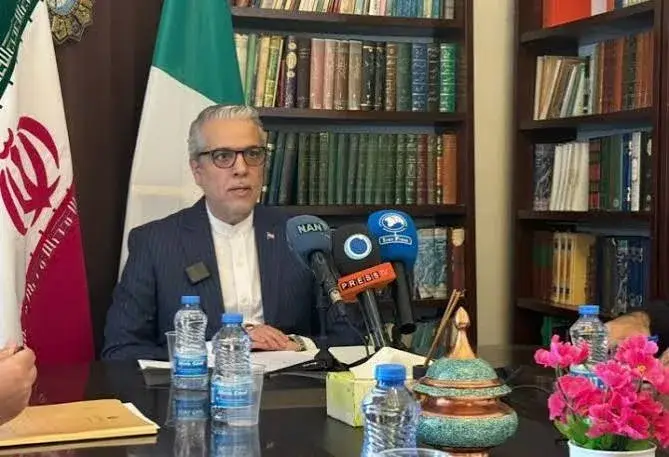
Iran Calls on World Leaders to Stop US Military Strikes After Fresh Attacks
5 Sept 2026
Middle East
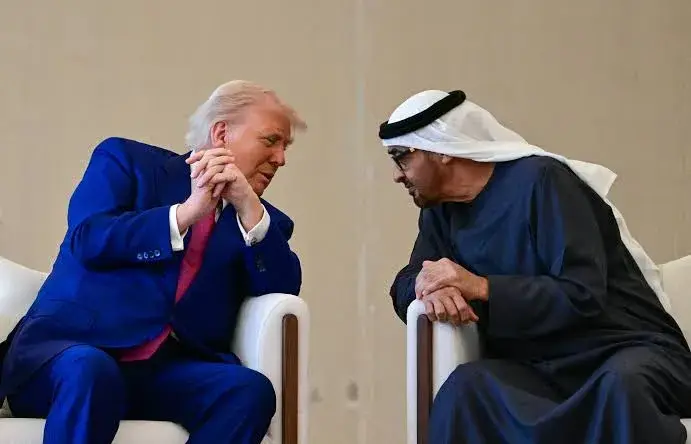
UAE President, Trump Discuss Middle East Crisis in Phone Call.
3 Sept 2026
Middle East
US, Iran Exchange Fresh Attacks as Middle East Tensions Spiral Again
2 Sept 2026
Middle East
Russia Secretly Helping Iran Develop Supersonic Missiles, Intelligence Reports Claim
2 Sept 2026