
Qatar PM Heads to Iran in Fresh Push to Revive US-Iran Talks.
Qatar’s prime minister is travelling to Tehran as Doha seeks to reopen diplomacy between Washington and Tehran and ease a six-month conflict that has disrupted the Strait of Hormuz.
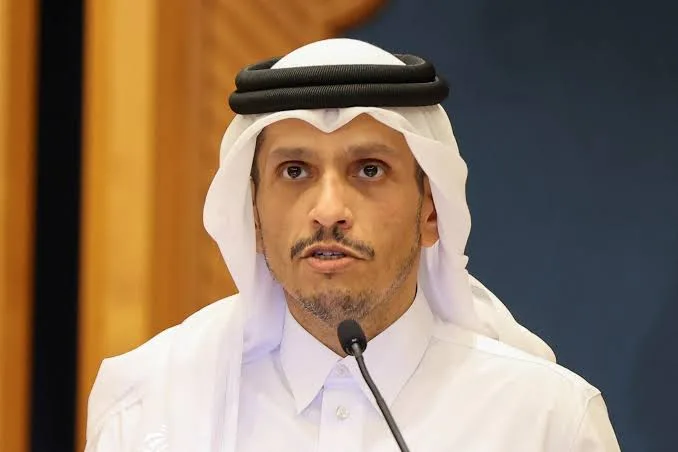
Qatar’s Prime Minister and Foreign Minister Sheikh Mohammed bin Abdulrahman Al Thani is travelling to Tehran on Thursday in a fresh attempt to revive dialogue between Iran and the United States, as the six-month conflict continues to keep the Middle East on edge and the strategic Strait of Hormuz largely closed to normal traffic.
The visit comes at a delicate moment for regional diplomacy. Qatar says Sheikh Mohammed will meet Iranian officials to discuss ways of reducing tensions and creating conditions for negotiations to resume. The talks are also expected to address freedom of navigation through the Strait of Hormuz, a crucial passage for global energy shipments.
Qatar has increasingly positioned itself as an intermediary between Tehran and Washington, using its close relationship with the United States while maintaining diplomatic ties with Iran. Doha was directly involved in efforts that produced a June 17 framework for negotiations, but disagreements over the terms of the arrangement and the future of Hormuz have prevented a lasting settlement.
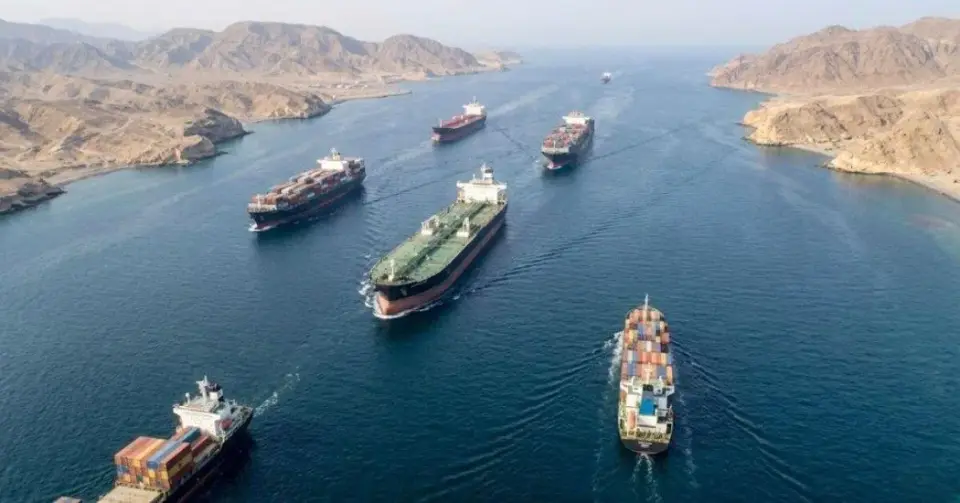
The immediate obstacle is the Strait of Hormuz. Iran has maintained control over traffic through the waterway since the conflict began, while Washington has pushed for its reopening and unrestricted navigation. Iranian officials have linked reopening the strait to concessions from the United States, including an easing of sanctions and other measures connected to the conflict.
Iran's Islamic Revolutionary Guard Corps has also warned that the waterway will not return to normal operations unless Washington accepts Tehran's conditions. Iranian officials have said discussions with Oman over a possible temporary arrangement for commercial shipping are progressing, although a senior Iranian source has indicated that a final agreement has not yet been completed.
For Qatar, the stakes are unusually high. The country is one of the world's biggest liquefied natural gas exporters, but the conflict has severely disrupted its ability to move LNG through Hormuz. Reuters reported that Qatari LNG exports have fallen by 96% during the six months of war, with the country estimated to have lost about $24 billion in export revenue.
The wider economic consequences are being felt far beyond the Gulf. Hormuz normally carries roughly 20 million barrels of oil a day, but oil flows through the waterway have fallen sharply since the conflict began. Any credible progress towards reopening the route could therefore ease pressure on global energy markets, while another escalation could send prices and supply concerns higher.
Markets have already reacted to the prospect of renewed diplomacy. Gulf stock markets moved higher on Thursday as investors weighed the possibility that Qatar's mediation effort could help revive negotiations and eventually restore energy flows. But the cautious response from traders reflects the uncertainty surrounding the talks: there is still no guarantee that Tehran and Washington are prepared to bridge their differences.
Qatar's diplomatic effort also comes after weeks of pressure on the United States to find an exit from a conflict that has produced enormous regional disruption. Doha has repeatedly argued that negotiations offer the best route out of the crisis. Its Foreign Ministry said earlier this month that Qatar, Oman and Pakistan had been working to facilitate engagement between Iran and the United States and bridge their positions.
There are, however, significant limits to what Sheikh Mohammed can achieve in Tehran. Qatar can carry messages, encourage compromises and help establish communication, but any agreement will ultimately depend on decisions in Tehran and Washington. The Iranian government has shown that it regards control of Hormuz as a major source of leverage, while the United States has continued to apply economic pressure on Iran.
That makes the prime minister's visit more than a routine diplomatic trip. It is an attempt to reopen a channel that could prevent the conflict from becoming a prolonged regional confrontation and to address one of its most consequential flashpoints. Whether Doha can persuade the two sides to return to negotiations will depend on whether Iran and the US can move beyond their competing demands over sanctions, security and control of the waterway.
For the region and the global economy, the significance is considerable. The conflict has already demonstrated how quickly instability around one narrow stretch of water can disrupt energy supplies, shipping and markets around the world. If Qatar succeeds in getting Tehran and Washington back to the negotiating table, Sheikh Mohammed's mission could become an important step towards de-escalation. If it fails, the continued deadlock over Hormuz could leave the Middle East facing another dangerous phase of confrontation, with consequences reaching well beyond its shores.
More on Middle East
Middle East
Iran, Oman Agree on Hormuz Revenue Shares as Waterway Talks Advance
26 Aug 2026
Middle East
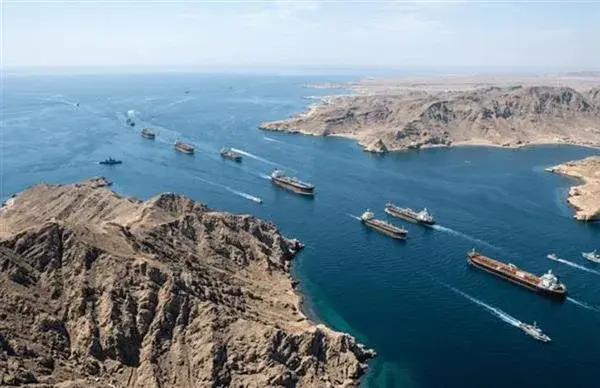
US and IRGC Trade Fire as Oil Tankers Come Under Attack in Hormuz
6 Sept 2026
Middle East
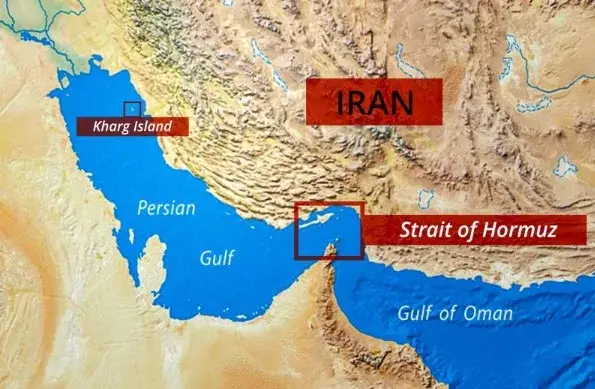
Iran Moves to Charge Ships Using Strait of Hormuz as Shipping Crisis Deepens
24 Aug 2026
Middle East
Iran President Says It Is Time to End War While Tehran Holds ‘Position of Strength’
21 Aug 2026
Middle East
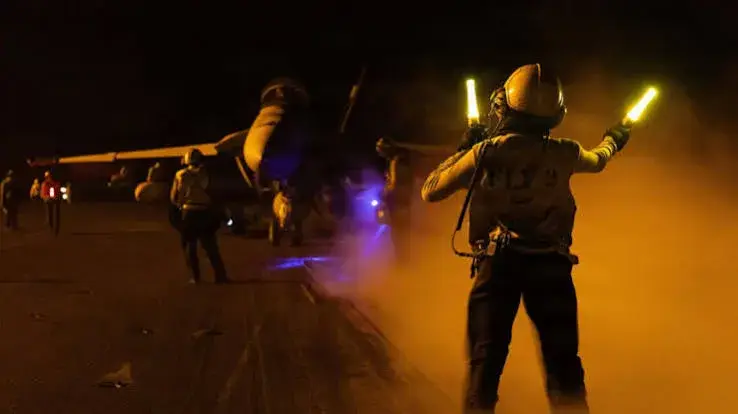
Hormuz Standoff Escalates as Iran and US Exchange Military, Economic Strikes
9 Sept 2026
You may also like
Middle East
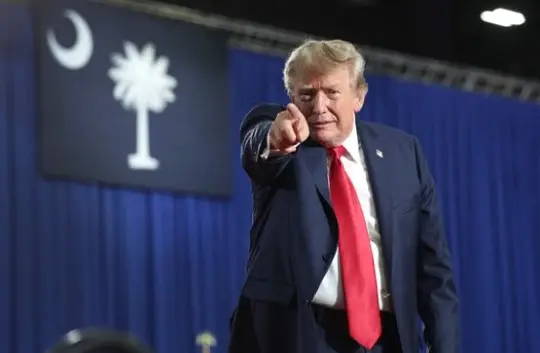
Trump Expands Iran Pressure, Threatens Countries Providing Tehran a ‘Lifeline’
22 Aug 2026
Middle East
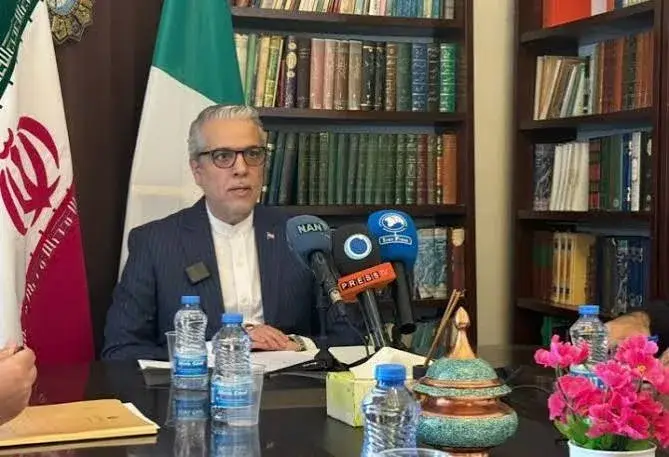
Iran Calls on World Leaders to Stop US Military Strikes After Fresh Attacks
5 Sept 2026
Middle East
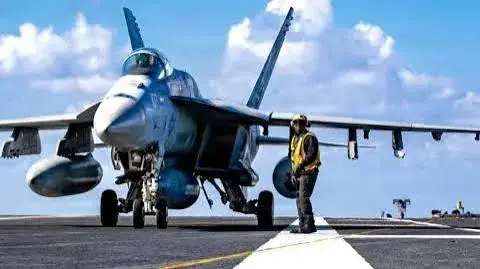
Iran Says 18 Killed After U.S. Bombardment as Trump Warns of Fresh Attacks
3 Sept 2026
Middle East
US, Iran Exchange Fresh Attacks as Middle East Tensions Spiral Again
2 Sept 2026
Middle East
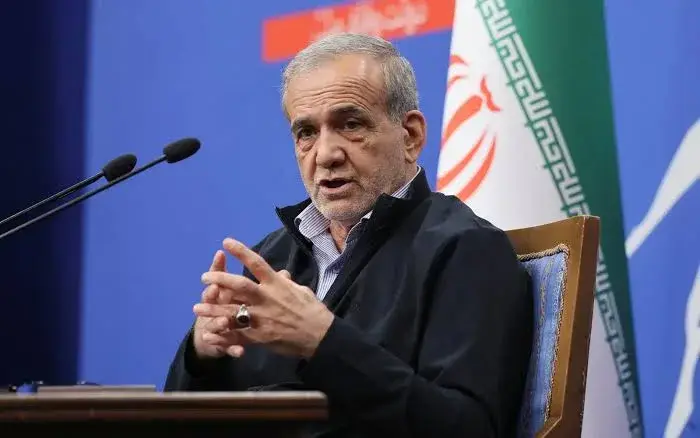
Iran Warns Countries Joining US Sanctions They Will Be Treated as Enemies
23 Aug 2026
Middle East
Hormuz Shipping Traffic Dwindles as Middle East Attacks Intensify
17 Sept 2026