
US and IRGC Trade Fire as Oil Tankers Come Under Attack in Hormuz
A dangerous new exchange between Iran’s Revolutionary Guards and the US military has pushed the Strait of Hormuz closer to a wider maritime conflict, raising fresh concerns over global energy security.
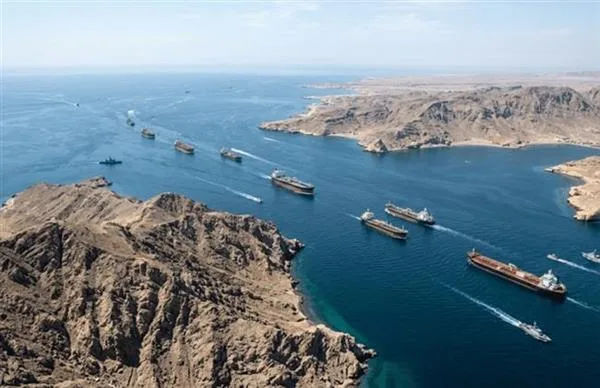
The United States and Iran’s Islamic Revolutionary Guard Corps (IRGC) have exchanged direct military strikes in and around the Strait of Hormuz, marking one of the most serious naval escalations in the strategic waterway in months and intensifying fears of further disruption to global oil supplies.
According to US Central Command (CENTCOM), Iranian forces launched ballistic missiles at two US Navy warships operating in regional waters on Saturday. The Pentagon said both vessels successfully evaded the attack, no American personnel were injured, and the missile strike was described as an “unprovoked” assault by the IRGC.
Washington responded by striking three Iranian crude oil tankers near Kharg Island, Jask and the Gulf of Oman. CENTCOM said the vessels were permanently disabled as part of a retaliatory operation intended to impose what it called a significant economic cost on Iran’s military establishment, arguing that the tankers were linked to networks supporting the Revolutionary Guards.
Tehran offered a sharply different account. In statements carried by Iranian state media, the IRGC Navy claimed it had subsequently targeted three oil tankers travelling through what it described as “unauthorised routes” in the Strait of Hormuz, as well as three US-linked vessels elsewhere in the region. Iranian officials warned commercial ships against cooperating with what they called American military operations, though several of those claims have not been independently verified.
The conflicting narratives highlight the growing information war accompanying the military confrontation. While the US has confirmed its own strikes and the earlier missile attack, Iran has asserted additional attacks on maritime targets that remain unverified by independent shipping authorities or international naval monitors.
The latest confrontation follows a week of mounting instability in the world’s most important oil chokepoint. Earlier, two supertankers carrying Saudi crude were struck by unidentified projectiles while transiting Hormuz, reinforcing industry concerns that commercial shipping is increasingly being caught in the crossfire of the US-Iran standoff. No fatalities were reported in those incidents, but maritime security agencies described the threat environment as significantly deteriorating.
The Strait of Hormuz carries roughly a fifth of the world’s seaborne oil under normal conditions, making any disruption far more than a regional security issue. Insurance premiums for tankers have surged, shipping traffic has fallen sharply in recent months, and energy markets continue to react nervously to every military exchange in the Gulf.
Diplomatic efforts led by Gulf mediators, including Oman and Qatar, have struggled to restore confidence or reopen meaningful negotiations between Washington and Tehran. Instead, both sides have increasingly paired military action with economic pressure, leaving commercial shipping and civilian maritime trade exposed to escalating risks.
The latest exchange underscores how rapidly the Strait of Hormuz has evolved from a geopolitical pressure point into an active battlefield. With both Washington and Tehran signalling their willingness to retaliate at sea, the danger is no longer limited to military vessels, it increasingly threatens the global energy routes on which economies across Asia, Europe and beyond depend.
More on Middle East
Middle East
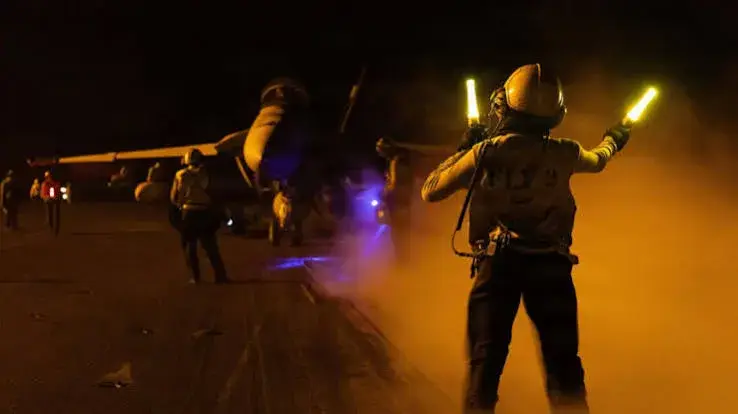
Hormuz Standoff Escalates as Iran and US Exchange Military, Economic Strikes
9 Sept 2026
Middle East
Houthis Reportedly Seize Yemen's Strategic Red Sea Port of Mokha
11 Sept 2026
Middle East
Iran Says There Is No Military Solution to Middle East War
5 Oct 2026
Middle East
Saudi Oil Pipeline Shut Down After Attack Triggers Fires
12 Sept 2026
Middle East
Trump Rejects Iran’s Strait of Hormuz Proposal as Gulf Tensions Persist
26 Sept 2026
Partner with Follow Global Trends
Display banners, sponsored stories and founder spotlights.
You may also like
Middle East
Iran Claims Ship Carrying 2,500 Containers Sank After Mine Strike
15 Oct 2026
Middle East
Hormuz Shipping Traffic Dwindles as Middle East Attacks Intensify
17 Sept 2026
Middle East
One Ship Sinks, Another Damaged in Latest Strait of Hormuz Attacks
16 Oct 2026
Middle East
Saudi Aramco’s Jizan Oil Facilities Hit in Fresh Attacks
8 Sept 2026
Middle East
Saudi Arabia on Alert After Second Riyadh Airport Attack in Two Days
12 Oct 2026
Middle East
Trump Denies Iran Sanctions Offer as Reports Point to Possible Nuclear Deal
29 Sept 2026