
Trump Denies Iran Sanctions Offer as Reports Point to Possible Nuclear Deal
Reports say Trump is open to conditional sanctions relief for Iran in exchange for nuclear concessions, but the U.S. president has denied making such an offer as diplomatic contacts intensify.
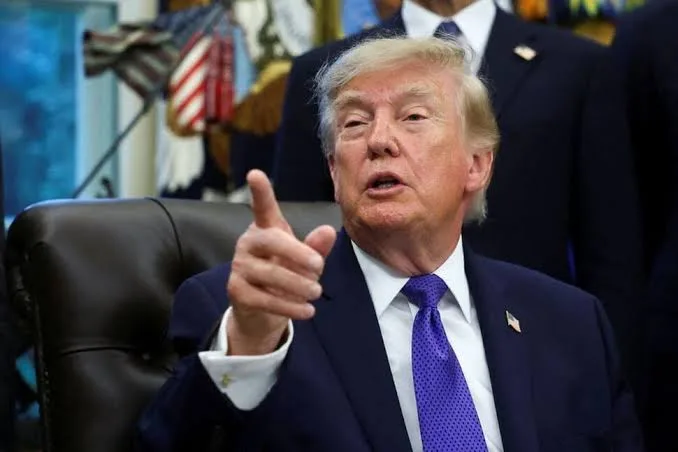
The possibility of a new diplomatic opening between the United States and Iran has emerged as mediators work to revive negotiations, with U.S. officials saying President Donald Trump is prepared to consider sanctions relief and the release of some frozen Iranian funds if Tehran makes concrete progress on its nuclear programme.
But the reported offer has been immediately complicated by Trump himself.
The president rejected the reports on Monday, saying on Truth Social that they were untrue and that he had offered Iran “nothing.” Reuters reported that Trump's denial came in response to an Axios report citing unnamed U.S. officials, while CNN separately reported that a U.S. official had described the administration as willing to consider sanctions relief and frozen funds as part of a final nuclear agreement.
The conflicting accounts leave the precise U.S. negotiating position unclear, but they come at a significant moment in the seven-month conflict between Washington and Tehran. Behind the scenes, Qatar and Pakistan have been involved in efforts to bring the two sides back toward an agreement, while Iranian Foreign Minister Abbas Araghchi has remained in New York for diplomatic discussions.
According to AP, U.S. officials involved in the talks say Washington is open to a non-military settlement, but that no agreement will be reached unless Iran addresses the nuclear issue. The proposed framework being discussed would link any economic relief to concrete Iranian actions, rather than providing sanctions relief without conditions.
That distinction is central to the negotiations. Iran has been seeking relief from the U.S. naval blockade, the easing of oil sanctions and access to frozen assets, while Washington is demanding assurances and verifiable steps concerning Tehran's nuclear activities. AP reported that the sides also remain divided over the timing of reciprocal measures and which side should act first.
The latest diplomatic push is also connected to the Strait of Hormuz, one of the world's most important energy routes. Iran recently proposed reopening the waterway within seven days if Washington met a series of conditions, including lifting its blockade and easing sanctions. Trump rejected that proposal as unacceptable, although he subsequently indicated that further discussions could take place.
The new U.S. position reported by Axios and CNN therefore appears less like an unconditional lifting of sanctions and more like a potential exchange: meaningful nuclear commitments from Tehran in return for economic measures from Washington. Axios reported that U.S. officials described the talks as “positive and constructive,” while acknowledging disagreements over sequencing and the substance of the nuclear commitments.
Iran has signalled that it remains interested in diplomacy but has resisted accepting what it considers coercive terms. Tehran maintains that it does not seek nuclear weapons and argues that it has the right to pursue peaceful nuclear technology under the Nuclear Non-Proliferation Treaty. Reuters reported that Iranian and U.S. officials have separately engaged with mediators as both sides explore a possible route out of the conflict.
The economic stakes are considerable. Continued uncertainty around the conflict and the Strait of Hormuz has kept oil markets under pressure. Reuters reported on Tuesday that Brent crude was trading above $106 a barrel, while U.S. West Texas Intermediate was around $94, as investors continued to price in the possibility of further disruption to Middle Eastern energy supplies.
A diplomatic breakthrough could therefore have consequences well beyond the U.S.-Iran relationship, particularly for oil prices, shipping and inflation. But for now, there is no confirmed new sanctions-relief agreement. What exists is a set of reported negotiating positions, competing public accounts and continuing mediation. Whether Washington ultimately offers meaningful economic concessions will depend on what Iran is prepared to put on the table over its nuclear programme, and whether both sides can agree on a sequence of verifiable steps.
The broader significance is that the latest developments suggest diplomacy remains possible even as military pressure and public rhetoric continue. For Iran, sanctions relief and access to frozen funds are major economic priorities; for Washington, the central demand remains preventing Iran from developing a nuclear weapon. Until those objectives can be reconciled in a verifiable agreement, the prospect of relief will remain a negotiating instrument rather than a settled policy.
More on Middle East
Middle East
Trump Rejects Iran’s Strait of Hormuz Proposal as Gulf Tensions Persist
26 Sept 2026
Middle East
US and Iran Hold First Talks Since June After Trump’s “Annihilate” Threat
24 Sept 2026
Middle East
Iran Says There Is No Military Solution to Middle East War
5 Oct 2026
Middle East
Israel to Revoke Diplomatic Status of Dutch Officials in West Bank
28 Sept 2026

Middle East
Hormuz Standoff Escalates as Iran and US Exchange Military, Economic Strikes
9 Sept 2026
Partner with Follow Global Trends
Display banners, sponsored stories and founder spotlights.
You may also like
Middle East
Iran Claims Ship Carrying 2,500 Containers Sank After Mine Strike
15 Oct 2026
Middle East
Britain Approves Typhoon Missions to Defend Saudi Arabia From Houthi Attacks
20 Oct 2026
Middle East
One Ship Sinks, Another Damaged in Latest Strait of Hormuz Attacks
16 Oct 2026

Middle East
UAE Expands Jobseeker Visa as New Rules Open Doors for Skilled Workers
28 Sept 2026
Middle East
US Mission in UAE Warns Americans of Possible Travel Disruptions Amid Rising Middle East Tensions
20 Sept 2026
Middle East
Hormuz Shipping Traffic Dwindles as Middle East Attacks Intensify
17 Sept 2026