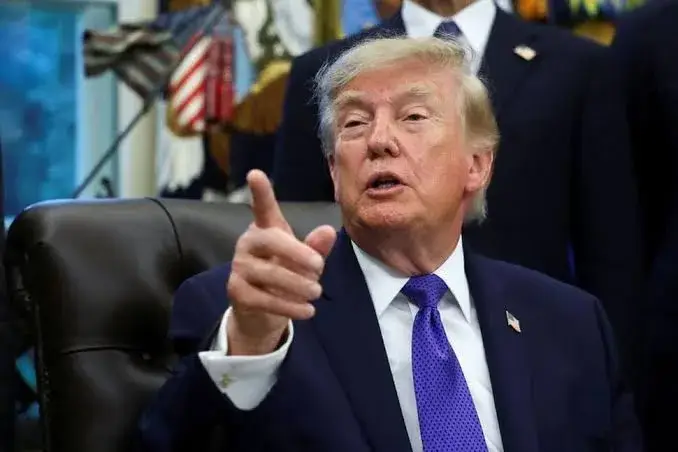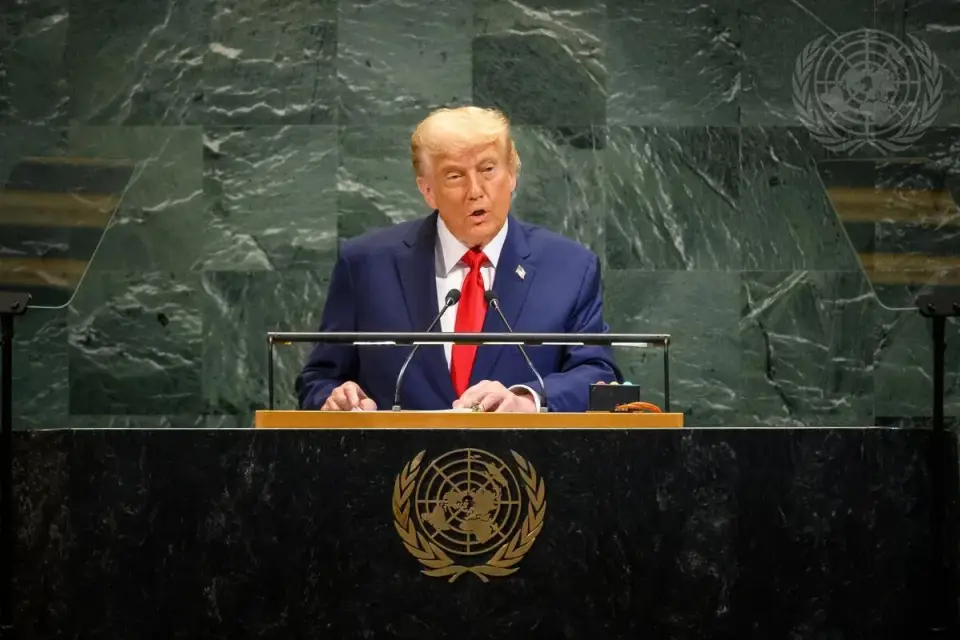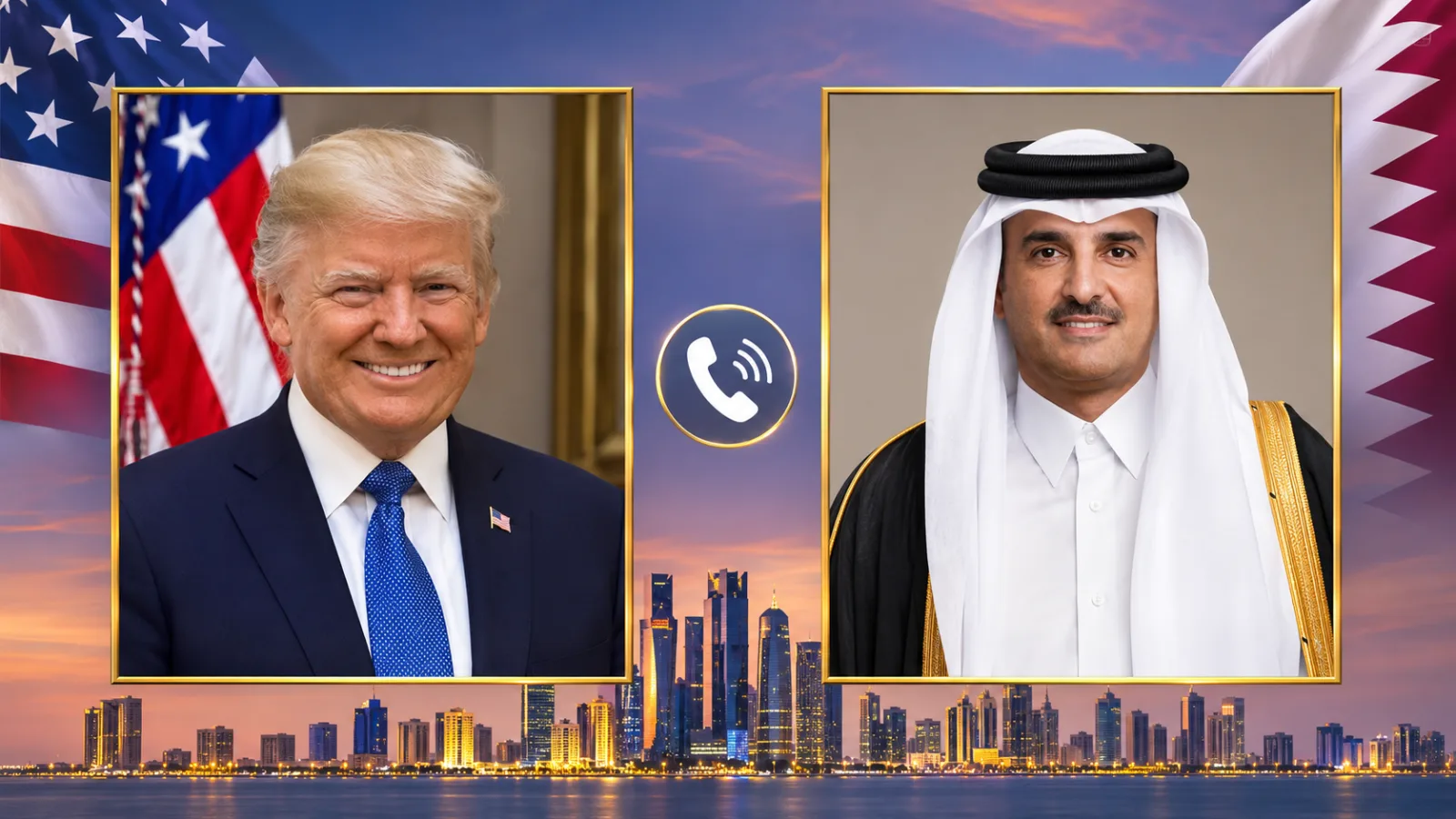
In an urgent diplomatic phone call, Qatar’s Emir and Trump discuss Middle East de-escalation measures to prevent widening military conflict across the region.
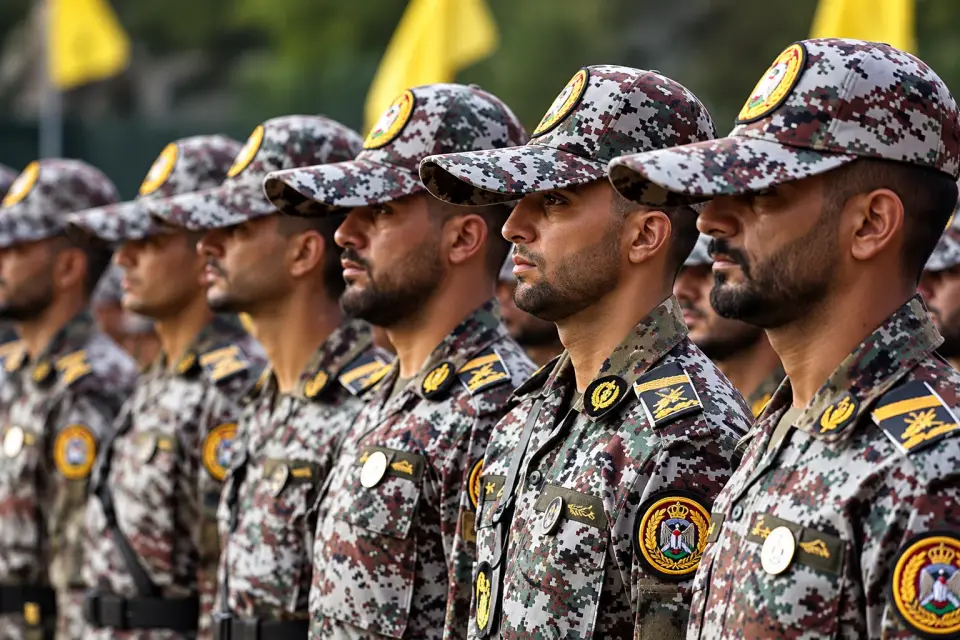
The conversation addressed practical steps to establish clear diplomatic guardrails between opposing military forces. Both leaders evaluated strategic bilateral cooperation and discussed mechanisms to defuse mounting cross-border friction. Negotiators have stepped up diplomatic exchanges over recent days to prevent localized clashes from spiraling into a broader war.
The high-level engagement reflects deep international concern over civilian safety and regional stability. Leadership teams in nearby capitals are coordinating closely to ensure diplomatic options remain active before military actions intensify.
Safeguarding Energy Corridors and Navigation
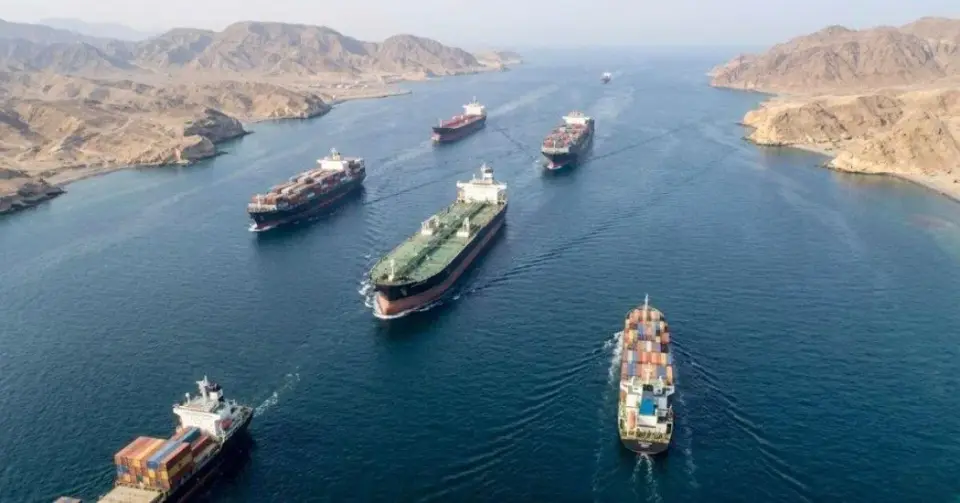
Maritime security emerged as a major priority as Qatar’s Emir and Trump discuss Middle East de-escalation plans to keep global commercial shipping lanes safe.
The Persian Gulf corridor handles a major share of international oil and liquefied natural gas shipments every day. Any hostile military action in regional waterways threatens immediate disruptions to worldwide fuel distribution and global manufacturing supply chains. The leaders agreed that protecting uninterrupted freedom of navigation remains vital for global economic stability.
International commercial carriers and commodity markets continue to monitor regional security developments with close attention. Maintaining safe passage through key maritime corridors remains a non-negotiable objective for all mediating governments.
Diplomatic Mediation and the Road Ahead
Regional observers emphasize that as Qatar’s Emir and Trump discuss Middle East de-escalation proposals, direct engagement between leadership teams provides a crucial path forward.
Diplomatic envoys have been circulating draft negotiation terms designed to address underlying security concerns through sustained dialogue. Mediators are focusing on sanctions relief, asset guarantees, and formal non-aggression commitments to build lasting mutual trust. Analysts stress that durable progress will require realistic compromises from all participating governments.
Regional representatives plan to hold follow-up consultations in the coming days to review the latest diplomatic proposals. While defensive forces remain on high alert, continued communication between heads of state offers a viable foundation for peace.