
Britain Approves Typhoon Missions to Defend Saudi Arabia From Houthi Attacks
Britain will deploy Royal Air Force Typhoon fighter jets on defensive missions over Saudi Arabia as Houthi missile and drone attacks intensify, expanding military support that includes air-defence equipment, refuelling assistance and military advisers.
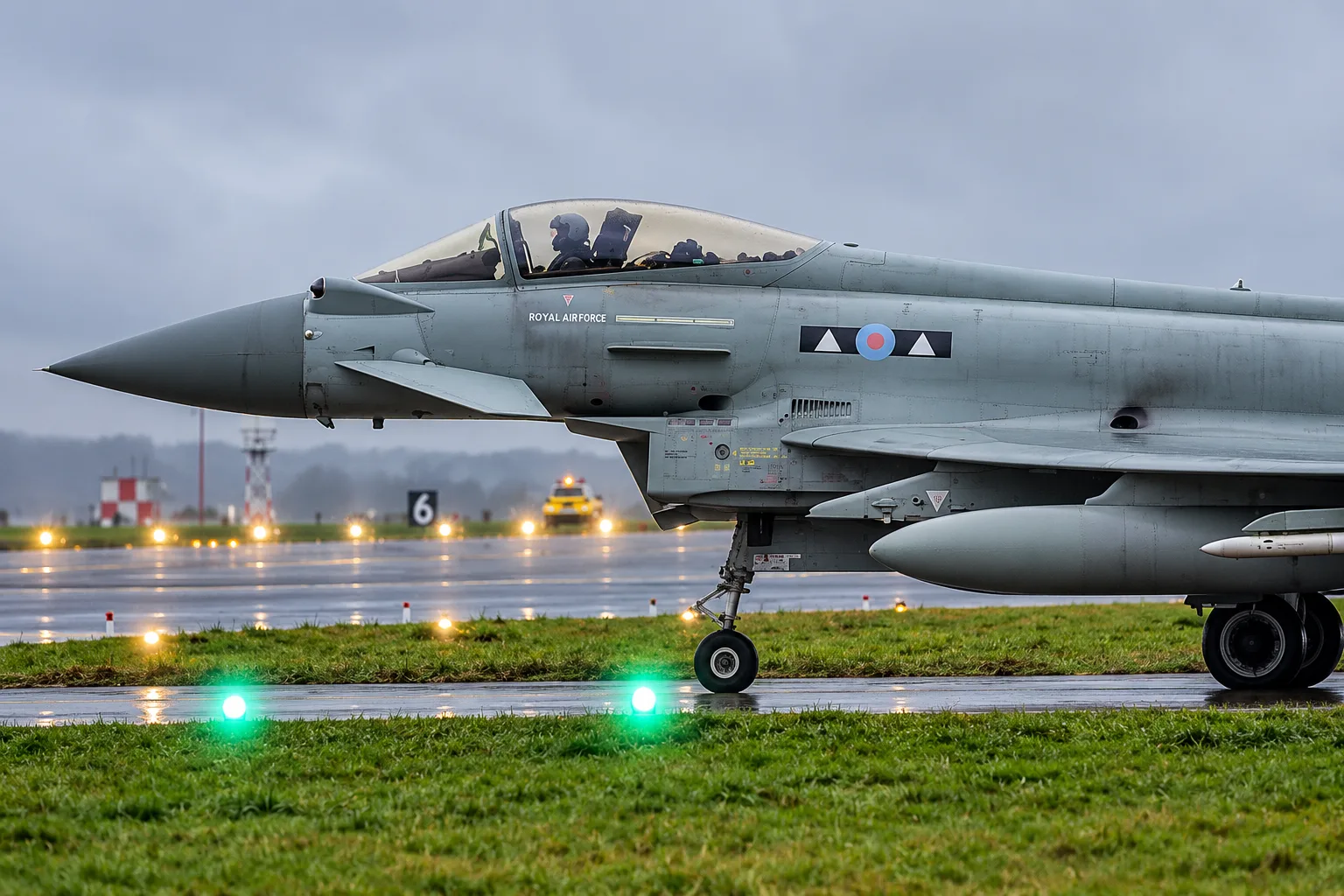
Britain has approved the deployment of Royal Air Force (RAF) Typhoon fighter jets for defensive missions over Saudi Arabia as Houthi missile and drone attacks intensify, expanding military assistance to the kingdom amid growing concerns over regional security and the disruption of vital trade and energy routes.
The British Ministry of Defence announced the decision on Tuesday, October 20, 2026, saying the fighter jets would help protect Saudi cities, civilians and critical infrastructure from aerial attacks. Defence Secretary Wes Streeting said the aircraft would operate in a defensive capacity and would not carry out offensive strikes against Yemen’s Iran-aligned Houthi movement.
The announcement also includes an RAF A400M transport aircraft to move military equipment within Saudi Arabia and British military advisers to support their Saudi counterparts. London has additionally extended its air-to-air refuelling assistance for Saudi defensive air operations by another 90 days, building on support announced in September.
Although Britain has authorised the new Typhoon missions, the government’s statement does not specify how many aircraft will be assigned, where they will operate from or when they will begin flying over Saudi Arabia. British fighter jets are already deployed at bases elsewhere in the Middle East, including Qatar, and have participated in regional air-defence operations. However, their existing presence in the region does not by itself confirm that aircraft assigned to the Saudi mission have arrived in the kingdom.
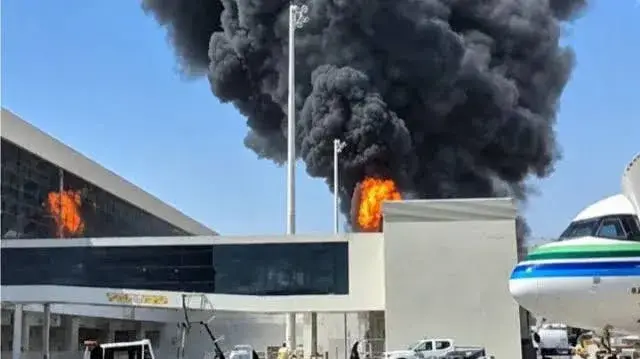
The decision follows a series of Houthi attacks targeting Saudi Arabia, including strikes on King Khalid International Airport in Riyadh earlier this month. The British government condemned attacks on civilian infrastructure, warning that the escalation threatens regional stability and could disrupt energy supplies and international commerce.
Streeting said the additional assistance would strengthen Saudi Arabia’s ability to protect its airspace against incoming missiles and drones. The government has also linked the security situation in the Gulf to British economic interests, noting that instability affecting energy supplies and shipping can raise costs for households and businesses.
Britain’s involvement builds on a longstanding defence partnership with Saudi Arabia. Before the latest announcement, the UK had supplied air-defence equipment and personnel to help counter aerial threats. The September support package included an RAF Voyager aircraft to provide air-to-air refuelling, allowing aircraft involved in Saudi defensive operations to remain airborne for longer.
The distinction between the newly approved Typhoon missions and Britain’s wider military assistance is significant. London says the fighter jets will conduct defensive counter-air operations over Saudi Arabia rather than launch attacks on Houthi positions. However, the government has also confirmed that its refuelling assistance supports Saudi defensive air operations that include efforts to strike Houthi military targets in Yemen.
The Houthis, who control Yemen’s capital, Sanaa, and large parts of the country’s north, have been fighting Yemen’s internationally recognized government for years. Saudi Arabia intervened militarily in 2015 at the head of a coalition seeking to restore that government. The conflict has since caused extensive civilian suffering, displacement and damage to essential infrastructure, while repeated cross-border attacks have threatened Saudi territory.
The latest British announcement comes amid renewed fighting in Yemen, where Houthi forces have stepped up attacks against forces aligned with the Saudi-backed government. The Associated Press has also reported rising casualties following a Houthi missile strike on a training camp in Yemen’s Shabwa province, underscoring the risks to civilians and military personnel as the conflict intensifies.
The security of the Red Sea and Bab al-Mandab Strait is another concern. The waterway connects the Red Sea with the Gulf of Aden and forms part of a major international shipping corridor linking Asian markets with the Suez Canal and Europe. Threats to commercial vessels and disruptions to maritime traffic can increase transport costs and affect supply chains far beyond the region.
For Britain, the new mission expands its military role in protecting a Gulf ally while the government continues to argue that the Yemen conflict cannot be resolved through military action alone. London says it remains committed to a United Nations-led political process and has emphasized the need to protect civilians and address the country’s worsening humanitarian crisis.
The immediate focus is now on implementing the authorized air-defence mission as Saudi Arabia faces continuing aerial threats. The deployment also highlights how the Yemen conflict is drawing in outside military support, with consequences for regional security, civilian protection, energy markets and international trade. The precise scale and operational start of the new British fighter-jet mission remain undisclosed in the government’s announcement.
More on Middle East
Middle East
Saudi Arabia Postpones ‘Davos in the Desert’ After Deadly Attacks
20 Oct 2026

Middle East
Saudi Arabia Executes Two Bangladeshis; Consulate Says It Was Not Notified
20 Oct 2026
Middle East
Saudi Arabia on Alert After Second Riyadh Airport Attack in Two Days
12 Oct 2026

Middle East
Saudi Aramco’s Jizan Oil Facilities Hit in Fresh Attacks
8 Sept 2026
Middle East
One Ship Sinks, Another Damaged in Latest Strait of Hormuz Attacks
16 Oct 2026
Partner with Follow Global Trends
Display banners, sponsored stories and founder spotlights.
You may also like
Middle East
Iran Says There Is No Military Solution to Middle East War
5 Oct 2026

Middle East
Hormuz Shipping Traffic Dwindles as Middle East Attacks Intensify
17 Sept 2026
Middle East
Saudi Oil Pipeline Shut Down After Attack Triggers Fires
12 Sept 2026
Middle East
Yemen Forces Push Houthis Back, Claim Control of Vital Bab el-Mandeb Strait
6 Oct 2026
Middle East
Houthis Report Deadly Saudi Airstrikes as Kingdom Issues Mass Alerts
15 Sept 2026
Middle East
Hormuz Standoff Escalates as Iran and US Exchange Military, Economic Strikes
9 Sept 2026