
US Orders Diplomats Out of Saudi Arabia as Houthi Attacks Escalate
The United States has ordered non-emergency government personnel and their families to leave Saudi Arabia as escalating Houthi attacks hit civilian infrastructure and a major oil field, heightening fears of wider regional conflict and oil supply disruptions.
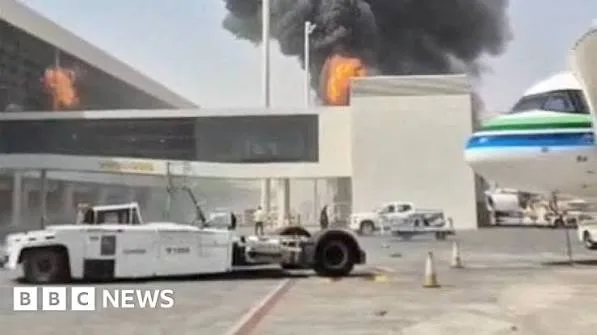
The United States has ordered non-emergency government employees and their families to leave Saudi Arabia as attacks by Yemen’s Iran-aligned Houthi movement intensify, including a drone incident at a Saudi Aramco oil field that killed two foreign workers and injured two others.
The US State Department confirmed the ordered departure on Wednesday, October 21, citing growing threats to civilian airports and other critical infrastructure in the kingdom. The decision came amid a renewed wave of Houthi attacks that has raised security concerns for Saudi Arabia and unsettled international energy markets.
State Department spokesperson Tommy Pigott said the order applied to non-emergency US government personnel and their family members in Saudi Arabia. He linked the decision to what Washington described as increasingly hostile Houthi activity against the kingdom, including attacks that have caused civilian casualties and disrupted travel.
The announcement followed an incident at the Shaybah oil field in Saudi Arabia’s Eastern Province, where Saudi air defences intercepted a drone attempting to strike a facility operated by state oil giant Saudi Aramco. According to the Saudi Energy Ministry, falling debris ignited a fire in a contractor’s vehicle outside the facility’s perimeter, killing two workers from Nepal and the Philippines and injuring two others from Pakistan and India.
The ministry said the incident did not affect operations at the oil field. It did not publicly identify the party responsible for the drone in its account of the incident, although the attack occurred amid a wider campaign of strikes attributed to the Houthis. The distinction is significant because the group has separately claimed attacks on Saudi energy facilities, airports and military installations in recent days.
On Monday, the Houthis said they had carried out operations targeting several Saudi sites, including the Shaybah oil field, an Aramco facility in Yanbu, King Khalid International Airport in Riyadh and Abha airport. Reuters reported at the time that the claims had not been immediately confirmed by Saudi authorities and could not be independently verified.
The latest escalation has also affected aviation. Saudi airports have faced attacks and travel disruptions, prompting the US Embassy in Riyadh to warn American citizens about the possibility of further hostilities. The embassy urged people to monitor security alerts and follow instructions issued by Saudi authorities. King Khalid International Airport in Riyadh has faced serious disruption following earlier attacks.
The diplomatic withdrawal is limited in scope, despite reports that Washington was preparing a wider evacuation across the Gulf. Reuters, citing four US officials, reported that some American missions in other Gulf countries were also expected to order family members to leave. However, Pigott rejected reports of a broader US departure order, saying the formal measure applied to Saudi Arabia only.
The security deterioration is unfolding against the backdrop of a wider regional conflict that has intensified since the US-Israeli war with Iran began in late February. Earlier attacks by Iran on American facilities prompted Washington to reduce diplomatic staffing in parts of the region before subsequently returning some personnel. The latest Houthi campaign has added another layer of risk for Gulf governments already dealing with threats to transport networks, energy infrastructure and commercial activity.
The attacks have also put oil traders on alert. Brent crude and US West Texas Intermediate futures rose on Thursday as investors assessed the possibility that further strikes could threaten production facilities or disrupt the movement of oil through the region. Reuters reported Brent rising to $111.64 a barrel and WTI gaining to $99.39 during Thursday’s trading, reflecting renewed concern over the security of Middle Eastern energy supplies.
The price movements reflect market concerns about potential disruption rather than confirmation that Saudi oil production has been reduced. Saudi authorities said the Shaybah incident did not affect operations at the field, an important distinction for a market sensitive to both actual supply losses and the possibility of future interruptions.
The Houthis, who control Yemen’s capital, Sanaa, and other parts of the country, have been engaged in a long-running conflict with Yemen’s internationally recognized government and the Saudi-led coalition supporting it. The latest attacks signal a further widening of the confrontation at a time when Saudi Arabia’s energy infrastructure and regional transport links remain strategically important to global oil supplies.
For the United States, the departure order reflects the immediate security risks facing its personnel in Saudi Arabia. For the wider region, the combination of attacks on civilian infrastructure, casualties at an oil field and rising crude prices underscores how renewed fighting in Yemen can affect diplomatic operations, travel and energy markets well beyond the country’s borders.
More on Middle East
Middle East
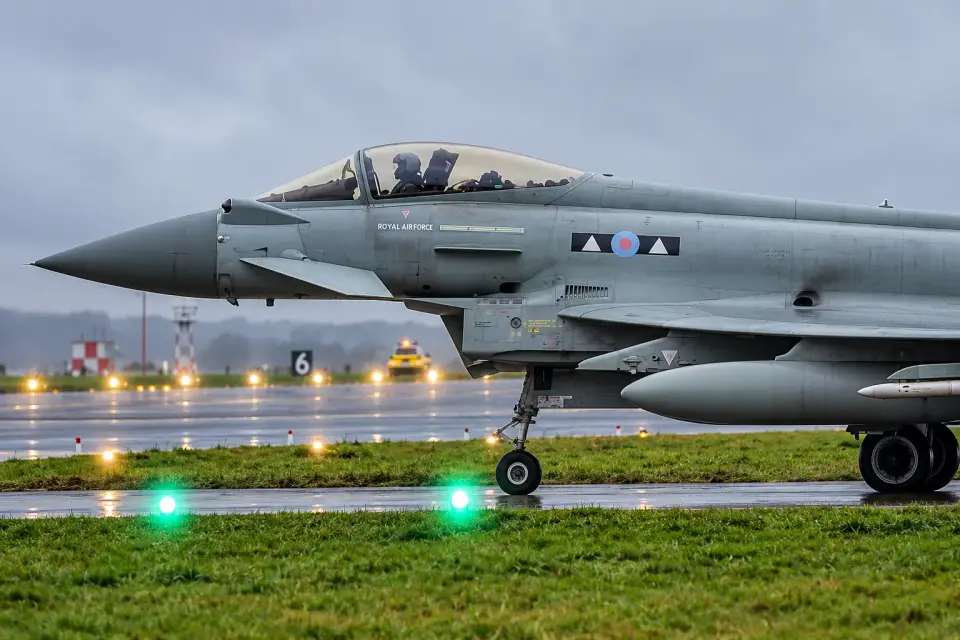
Britain Approves Typhoon Missions to Defend Saudi Arabia From Houthi Attacks
20 Oct 2026
Middle East
Saudi Arabia Postpones ‘Davos in the Desert’ After Deadly Attacks
20 Oct 2026
Middle East
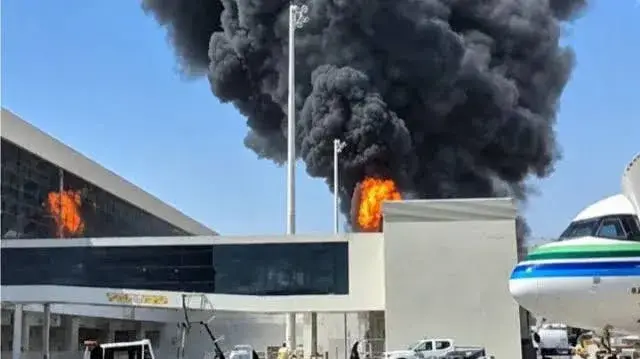
Saudi Arabia on Alert After Second Riyadh Airport Attack in Two Days
12 Oct 2026
Middle East
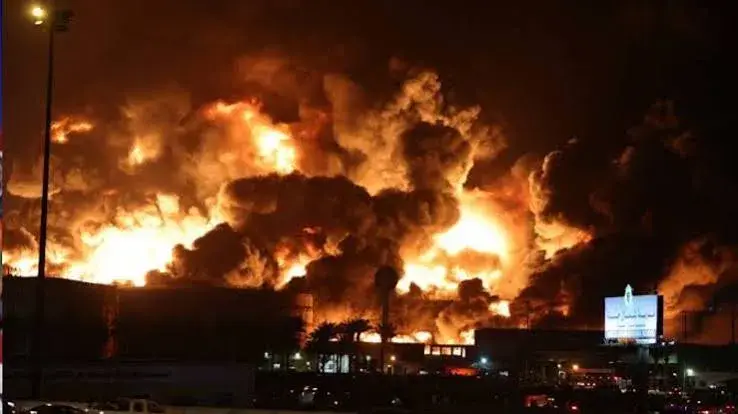
Saudi Aramco’s Jizan Oil Facilities Hit in Fresh Attacks
8 Sept 2026

Middle East
Emergency Alerts Sound Across Riyadh After Reported Explosions
20 Sept 2026
Partner with Follow Global Trends
Display banners, sponsored stories and founder spotlights.
You may also like

Middle East
Hormuz Shipping Traffic Dwindles as Middle East Attacks Intensify
17 Sept 2026
Middle East
Houthis Report Deadly Saudi Airstrikes as Kingdom Issues Mass Alerts
15 Sept 2026
Middle East
Saudi Oil Pipeline Shut Down After Attack Triggers Fires
12 Sept 2026

Middle East
Saudi Arabia Executes Two Bangladeshis; Consulate Says It Was Not Notified
20 Oct 2026

Middle East
Hormuz Standoff Escalates as Iran and US Exchange Military, Economic Strikes
9 Sept 2026
Middle East
Yemen Forces Push Houthis Back, Claim Control of Vital Bab el-Mandeb Strait
6 Oct 2026