Tensions across the Middle East surged to dangerous new levels on Monday as the conflict involving Israel, the United States, and Iran entered an intense diplomatic and military standoff. Iranian authorities warned of severe retaliation against regional targets unless all military operations cease.
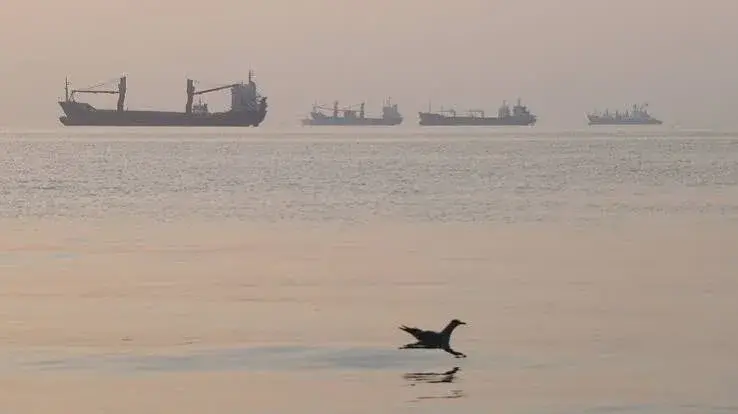
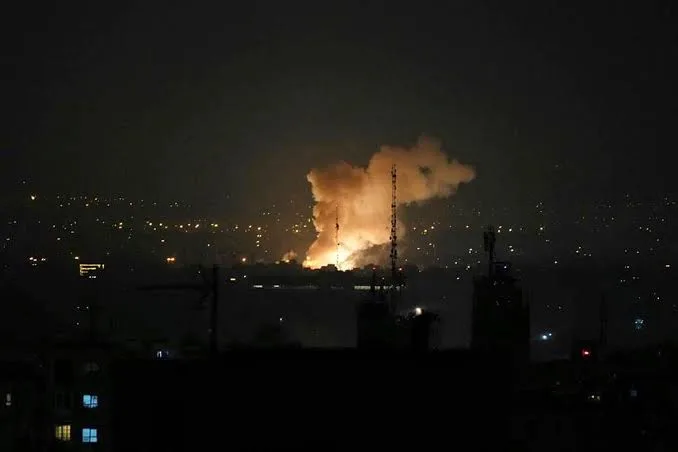
The warning arrived as commercial shipping corridors around the Arabian Peninsula faced mounting disruption. Explosions, naval blockades, and missile interceptions have placed international energy routes under extraordinary pressure, heightening fears of an expanded global economic shock.
Iranian Foreign Minister Abbas Araghchi delivered Tehran’s position publicly, stating that a two-day window remains open to reach a comprehensive cessation of hostilities. Araghchi warned that if military pressure continues, Iranian forces will respond forcefully against adversary positions across the region.
High-Stakes Diplomacy and Naval Posturing
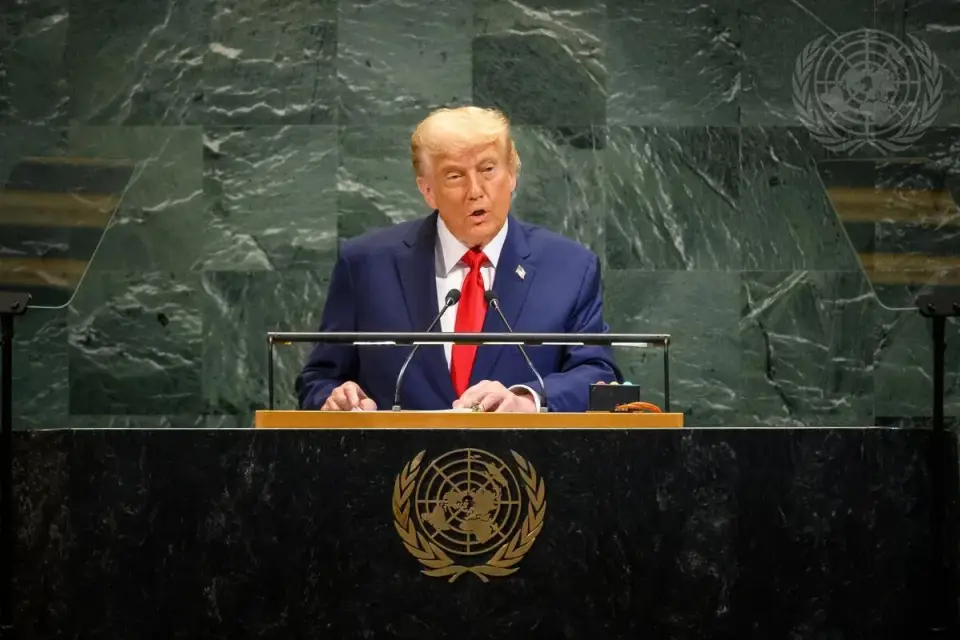
United States President Donald Trump responded to the ultimatum by describing renewed airstrikes as highly unlikely if negotiations make measurable headway. Washington is demanding concrete guarantees regarding Iran’s nuclear program and the immediate, unrestricted reopening of the vital Strait of Hormuz.
However, the American administration paired its diplomatic opening with explicit warnings of overwhelming force. Trump stated that three United States Navy aircraft carrier strike groups remain stationed across regional waterways and are prepared to launch operations if negotiations stall.
American officials indicated that dozens of strategic logistics hubs, transport nodes, and infrastructure assets across Iranian territory remain identified for precision targeting. Washington reiterated that its naval posture is designed to deter further maritime disruption and enforce strict maritime passage rights.
Maritime Disruptions in the Gulf of Oman
The standoff has produced direct confrontations at sea, where economic blockades and naval skirmishes continue to threaten vital shipping channels. United States Central Command forces disabled a foreign-flagged cargo vessel in the Gulf of Oman after accusing the ship of attempting to bypass international maritime restrictions.
Simultaneously, regional maritime safety agencies reported multiple commercial vessel emergencies along Gulf shipping corridors. An oil tanker caught fire off the coast of the Strait of Hormuz following an apparent naval mine impact, while naval authorities in the United Arab Emirates successfully evacuated 22 crew members from a separate burning freighter.
Maritime risk premiums for regional trade have climbed rapidly, forcing major international shipping syndicates to reroute tankers around southern Africa. Industry analysts warn that sustained disruptions through the Strait of Hormuz could trigger sharp spikes in global crude prices and commercial insurance fees.
Regional Crossfire and Broadened Conflict
The broader regional theatre also experienced fresh cross-border strikes over the weekend. Air defence batteries in Saudi Arabia intercepted incoming ballistic missiles aimed at the capital city of Riyadh, with falling debris causing structural damage to a corporate building belonging to state energy company Aramco in the city's financial district.
Meanwhile, commercial energy infrastructure in northern Iraq sustained minor damage from drone incursions, demonstrating the multi-front nature of the ongoing hostilities. Security analysts caution that proxy networks across Yemen, Iraq, and neighbouring territories remain heavily engaged in reciprocal strikes.
Diplomatic mediators from regional partner states are working urgently to establish an initial framework for direct technical discussions. Global leaders continue to urge restraint, warning that any tactical miscalculation in the Gulf could shatter fragile diplomatic channels and plunge the wider region into an uncontrollable shooting war.