Diplomatic talks have advanced as officials evaluate whether Washington can finalize a comprehensive deal with Iran through backchannel dialogue.
Speaking with journalists at Joint Base Andrews on Monday, the vice president expressed measured optimism regarding recent consultative contacts.
He confirmed consulting directly with the president shortly before addressing the diplomatic contacts between both governments.
Officials noted that while preliminary steps are promising, significant hurdles remain before any formal peace framework is signed.
The announcement comes amidst intense domestic focus on energy prices and international security ahead of national legislative voting.
Backchannel Communications and Executive Optimism
The vice president confirmed holding multiple productive discussions with Iranian representatives over recent weeks.
He emphasized that senior administration leaders feel encouraged by recent progress while maintaining constant diplomatic engagement.
Administration officials previously directed confidential correspondence to regional security leaders regarding civilian assistance and humanitarian goods.
While acknowledging positive communication channels, officials warned that sudden policy shifts remain a factor in diplomatic talks.
National leadership retains flexibility regarding economic sanctions and deterrence measures should talks stall unexpectedly.
Easing Market Anxieties and Public Statements
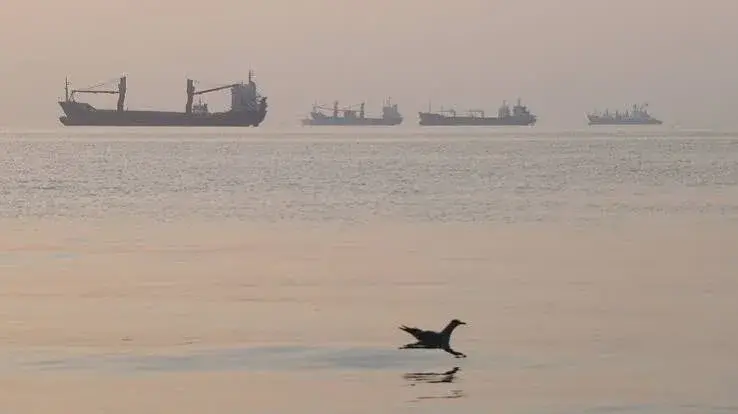
Public statements from the White House have pointed to cooling tensions across major international commercial waterways.
Crude oil markets responded rapidly to the diplomatic signals, registering steep price drops across global trading hubs.
When questioned by reporters in Washington regarding potential military operations following the midterms, the president dismissed near-term strike plans.
Public social media postings from leadership highlighted falling energy prices as evidence of reduced market fears of expanded conflict.
Regional diplomats are watching maritime corridors closely, specifically potential agreements governing the vital Strait of Hormuz.
Tehran has signaled conditional willingness to guarantee commercial shipping passages in exchange for verified sanctions relief.
Competing Regional Pressures and Diplomatic Hurdles
Despite signs of progress toward an initial deal with Iran, significant obstacles complicate final verification terms.
Close regional allies continue urging Washington to maintain maximal security pressure rather than easing economic restrictions prematurely.
Disagreements persist over sequencing, including whether maritime guarantees must precede broader negotiations over nuclear capabilities.
Negotiators must also address the status of military deployments across contested border corridors before formal agreements can take effect.
Diplomatic observers expect preliminary terms for a prospective deal with Iran to face strict legislative scrutiny across both capitals.
International mediators continue working quietly behind the scenes to keep dialogue active as both sides evaluate terms for a lasting deal with Iran.