Regional security tensions escalated further on Tuesday as Iran's Revolutionary Guards unveil new underground missile site facilities designed to protect long-range strike systems from aerial surveillance and preemptive bombardment.
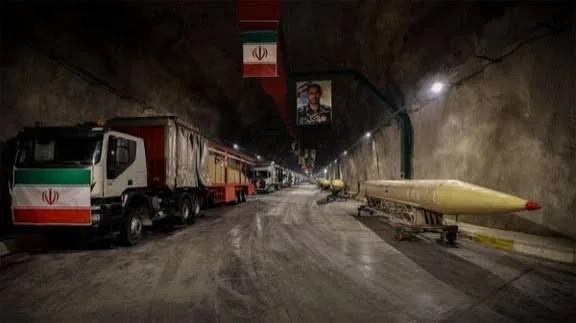
Broadcast across Iranian state media, official footage showed high-ranking military commanders inspecting subterranean tunnels lined with heavy transport trucks, mobile launchers, and precision-guided missile canisters.
Major General Ali Abdollahi, Chief of Staff of the Iranian Armed Forces, toured the fortified depot alongside Brigadier General Majid Mousavi, Commander of the Revolutionary Guards Aerospace Force.
Subterranean Arsenal on Display
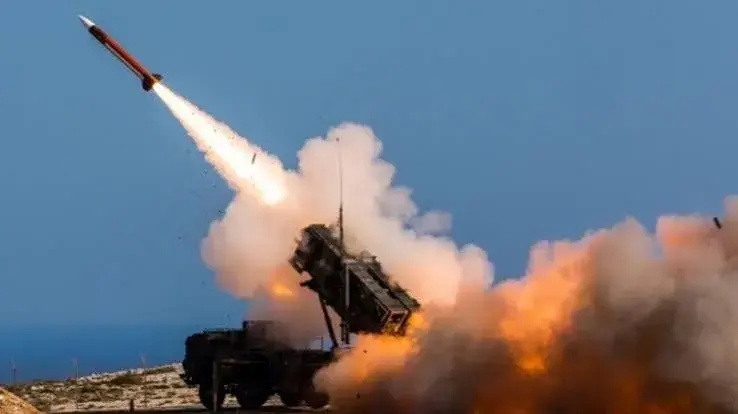
State-affiliated media described the newly unveiled base as an underground "missile city" capable of storing and launching large quantities of ballistic and cruise munitions.
The facility features reinforced concrete tunnels wide enough to accommodate multi-axle launch vehicles and mechanized reload platforms.
While Iranian authorities released extensive video of the storage chambers and missile cradles, they did not disclose the geographical location or structural depth of the bunker complex.
During his inspection, General Abdollahi issued public warnings to foreign adversaries, declaring that military units stationed within the facility stand ready for rapid deployment if regional hostilities escalate.
Hardening Military Production Networks
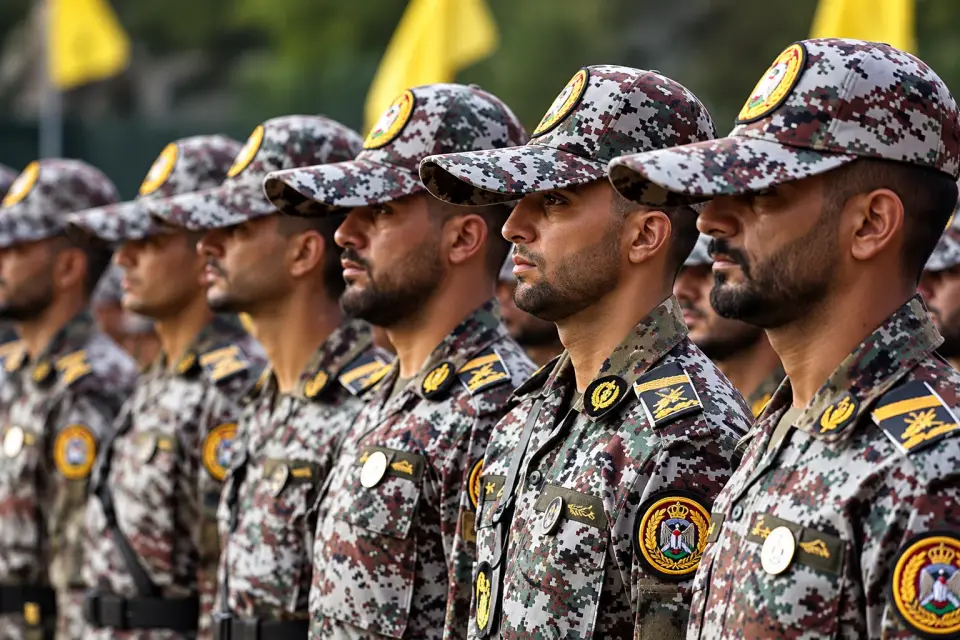
The presentation coincided with official commemorations marking the Revolutionary Guards’ Aerospace Force Week.
Revolutionary Guards spokesman Brigadier General Hossein Mohebbi previously stated that defence contractors have moved significant portions of missile assembly and storage operations beneath mountain ranges.
Military analysts note that expanding deep-tunnel networks serves to preserve retaliatory strike capabilities in the event of widespread air campaigns against surface bases.
Defence officials added that several newly manufactured guidance packages and radar-evasion systems would be demonstrated in subsequent military exhibitions throughout the week.
Strategic Implications Across the Middle East
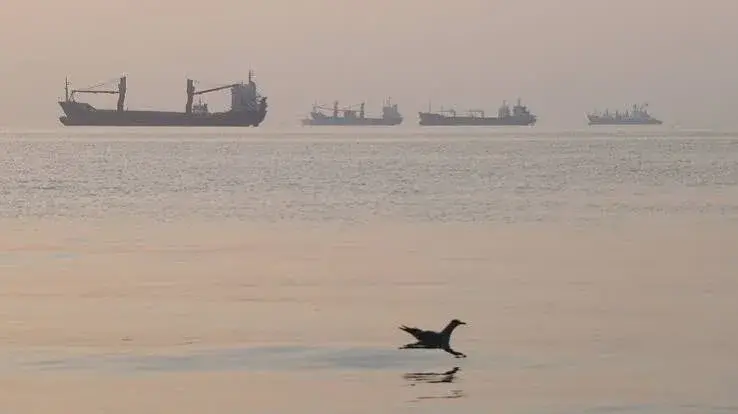
The timing of the unveiling reflects intensified posturing across the region amid ongoing diplomatic talks and heightened naval presence in nearby waterways.
Western and regional intelligence agencies have closely tracked Iranian underground construction projects, which have multiplied along southern coastal zones and central mountainous areas over the past decade.
Regional defence experts emphasize that while underground bases provide robust physical protection, their ventilation shafts and access portals remain critical operational vulnerabilities during precision air operations.
International observers continue to monitor Iranian weapons movements as regional mediators seek to establish maritime safety protocols and prevent wider military miscalculations.