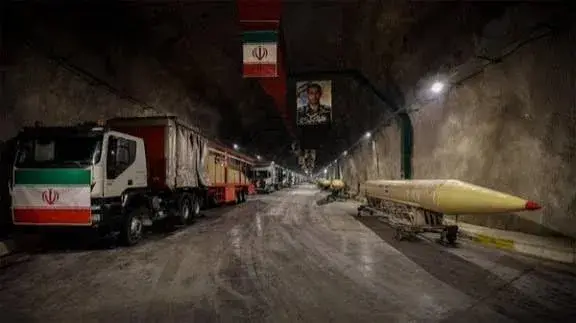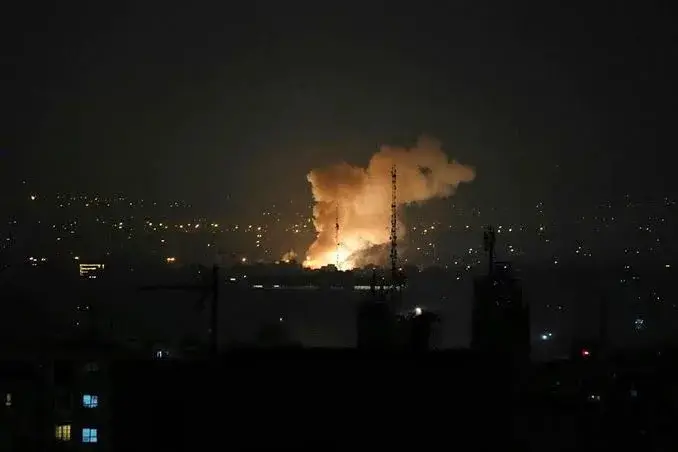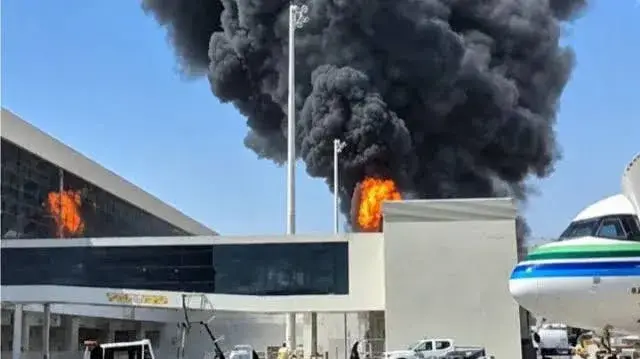
Benjamin Netanyahu pushed for an attack on Iran ahead of Israel’s pivotal election, according to diplomatic and security officials familiar with confidential discussions. The reported manoeuvres come as voters prepare to head to the polls on Tuesday in a tightly contested national ballot widely seen as a referendum on the long-serving prime minister's wartime record.
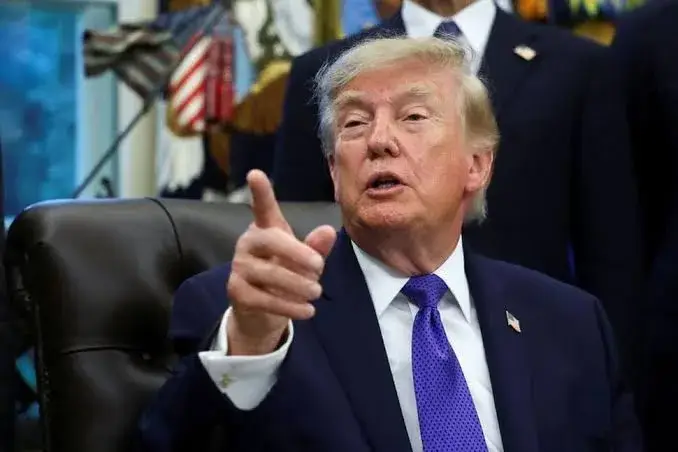
Sources briefed on high-level communications revealed that Netanyahu sought backing from United States President Donald Trump for a coordinated strike against Iranian targets. However, Washington urged restraint, advising Israeli leaders to delay any joint military offensive until strategic planning and resources are fully aligned.
Internal Military Pushback Over Pre-Election Timing The diplomatic disclosures follow domestic reporting inside Israel detailing sharp disagreements between political leadership and the armed forces. Israeli broadcaster Channel 12 reported that Netanyahu clashed with Israel Defense Forces (IDF) Chief of Staff Lt. Gen. Eyal Zamir over an operational directive that military planners warned would trigger an immediate armed escalation with Tehran.
According to defence insiders, Zamir and senior military commanders pushed back, demanding formal consultations and strict legal authorizations before proceeding. Military officials reportedly raised concerns that an uncoordinated strike shortly before polling day risked being perceived as a domestic political manoeuvre designed to rally nationalist voters.
Security sources also cited warnings from the military leadership that launching major cross-border hostilities on the eve of the election could force the postponement of the parliamentary vote itself.
Washington Urges Restraint as White House Demurs In parallel to internal military discussions, Israeli emissaries spent the past week lobbying the White House to endorse or directly participate in preventive operations against Iran.
U.S. and Israeli security officials confirmed that while President Trump indicated openness to future joint military action against Tehran, his administration refused to greenlight an immediate pre-election strike.
American planners argued that executing strikes without complete operational readiness risked drawing regional bases into an expanded confrontation. Faced with Washington's reluctance and internal military caution, Israeli plans for immediate strikes were paused.
Prime Minister's Office Dismisses Allegations as Groundless Netanyahu’s office swiftly rejected the accounts, branding reports of a pre-election push for war as false. Appearing in television interviews ahead of the vote, Netanyahu insisted that relations with military leadership remained united and focused solely on national defence.
Israeli Defence Minister Israel Katz similarly rebuked the reports, describing allegations of a pre-election military gamble as politically motivated smears from opposition figures. Katz stated unequivocally that Israel had no intention of initiating an offensive before polling day, while reiterating that the military stands ready to respond forcefully to any Iranian aggression.
Despite official denials, opposition leaders seized upon the reports, accusing the governing coalition of stoking international security crises to distract voters from pressing economic, judicial, and post-war governance concerns.
High Stakes for Tuesday's National Ballot The controversy arrives at a defining moment for Israel's political future. Polling indicates a razor-thin contest between Netanyahu’s right-wing bloc and a fractured opposition alliance.
With security remaining the dominant concern among the electorate, the final hours before polling stations open will test whether voters view Netanyahu as an indispensable wartime commander or question the timing of heightened regional confrontations.