The United States has deployed a third aircraft carrier to the Middle East. The arrival comes as Washington maintains its naval blockade against Iran.
The USS Theodore Roosevelt entered the US Central Command area on Sunday, November 15, 2026.
US Central Command confirmed the deployment on Monday. The development brings three American carrier strike groups into the region.
The Roosevelt joins the USS George H.W. Bush and USS George Washington. All three carriers are supported by accompanying naval vessels.
The deployment adds thousands of American military personnel to the region. It also expands Washington's military options as negotiations with Tehran remain stalled.
The arrival comes during the ninth month of the US-Iran conflict. Both countries remain locked in a confrontation involving military pressure, economic restrictions and competing diplomatic demands.
Three US carrier strike groups now operate in the region
The three carriers now operating in the region are
- USS Theodore Roosevelt: The newest arrival, deployed from San Diego, California.
- USS George H.W. Bush: Arrived in the region in April 2026.
- USS George Washington: Arrived in the region in August 2026.
The Roosevelt is a Nimitz-class nuclear-powered aircraft carrier. It operates with a carrier strike group comprising supporting warships and aircraft.
According to the Associated Press, the carrier deployment includes thousands of additional personnel.
The wider American naval force is also substantial. It includes 13 destroyers, two cruisers and one littoral combat ship in the Arabian Sea, according to US Navy figures reported by AP.
Two additional destroyers are operating in the Red Sea.
The deployment is unusual because three carrier strike groups rarely operate together. The previous comparable deployment in the region occurred in April 2026, according to AP.
The Roosevelt also deployed alongside the USS Makin Island amphibious readiness group. That formation includes the USS John P. Murtha and USS Anchorage.
It carries approximately 2,000 Marines. However, those amphibious ships had not arrived in the region by November 16.
The additional carrier gives Washington more military options. However, its arrival does not automatically mean another American attack on Iran is imminent.
US maintains naval blockade as Iran demands its removal
The American naval blockade remains a central part of Washington's pressure campaign.
The restrictions target Iranian maritime trade, particularly shipments connected to its oil exports.
US Central Command says its forces have redirected approximately 150 commercial vessels. It also reports disabling five merchant ships since June.
The figures highlight the scale of enforcement operations. American warships continue monitoring shipping around Iranian ports.
The blockade aims to increase economic pressure on Tehran. Washington hopes this will encourage Iran to accept concessions over its nuclear programme.
However, Iran wants the restrictions lifted before substantive negotiations advance.
A November 17 Reuters report said Tehran also wants frozen assets released. It wants oil exports restored and an end to hostilities across the region.
Iran has also demanded a recognised role in managing passage through the Strait of Hormuz.
Washington, meanwhile, wants nuclear commitments addressed from the beginning. It is seeking verifiable assurances rather than postponing the nuclear issue.
These competing conditions have kept negotiations at an impasse. Neither side has publicly accepted the other's proposed sequence.
Reuters reported that Oman and Qatar continued mediation efforts on Tuesday. However, officials involved in the process acknowledged significant differences remain.
The blockade therefore continues alongside diplomatic engagement.
Strait of Hormuz attacks raise concerns over global oil supplies
The Strait of Hormuz remains one of the conflict's most important pressure points.
This narrow waterway connects the Persian Gulf with the Gulf of Oman. It is a major route for international oil and gas shipments.
Before the conflict, approximately one-fifth of the world's oil passed through the strait.
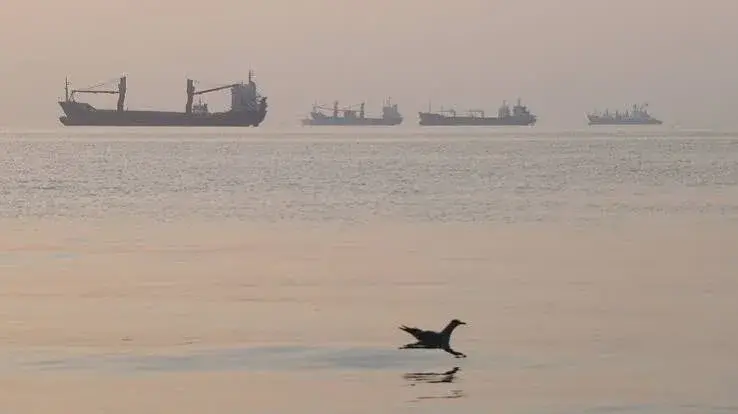
Shipping activity has since fallen sharply. Independent assessments cited by AP show traffic remains below one-third of pre-war levels.
The maritime situation also remains dangerous for commercial vessels.
On November 17, Al Jazeera and Reuters reported fresh tanker attacks. The United Kingdom Maritime Trade Operations agency reported two incidents on Monday.
One tanker was disabled after an attack north of Khasab, Oman. Another vessel reportedly suffered an engine-room fire after being struck.
Iran's Revolutionary Guard also claimed several tankers had struck naval mines. However, those particular claims could not be independently verified.
Iranian authorities did not identify the vessels involved. It also remained unclear whether the incidents were connected.
The Joint Maritime Information Center had previously classified the Strait of Hormuz threat level as severe. Its November 15 advisory warned of continued Iranian harassment and navigation interference.
The situation matters far beyond the immediate conflict. Disruptions could affect oil prices, shipping costs and international supply chains.
Countries dependent on imported energy could face additional economic pressure. Businesses may also encounter higher transport and insurance expenses.
For consumers, prolonged disruption could eventually affect fuel and other prices. The actual impact will depend on how long shipping remains restricted.
The United States has continued guiding some vessels through contested waters. However, commercial operators still face significant security concerns.
Trump keeps military options open as negotiations stall
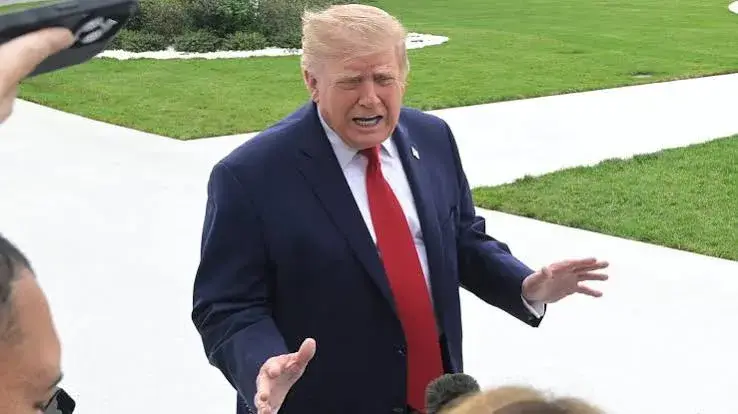
US President Donald Trump has maintained an uncertain public position on the conflict.
He has warned that American forces remain prepared for further military action. At the same time, he has suggested another major offensive may not be necessary.
Last week, Trump described the war as militarily effectively over. However, he also warned that he would not hesitate to act if circumstances changed.
The administration is currently relying heavily on economic pressure. The naval blockade remains central to that approach.
Reuters reported on November 17 that the conflict had reached a prolonged stalemate.
The report cited former American negotiators and European officials. They warned that fighting could resume before diplomatic efforts produce an agreement.
Regional governments are also concerned about possible escalation. Gulf countries fear renewed Iranian attacks against energy infrastructure.
Iran, meanwhile, continues rejecting negotiations under the existing blockade. Its leaders insist Washington must make concessions first.
The arrival of the third carrier adds another military option. However, there has been no confirmed announcement that Washington has ordered a new large-scale offensive.
The coming days will be important for both military and diplomatic developments.
For now, American forces remain positioned across the region. The naval blockade continues, shipping faces serious risks and negotiations remain unresolved.
The central question is whether military pressure will produce an agreement. Or whether the confrontation will move towards another phase of fighting.