
Trump Rejects Iran’s Strait of Hormuz Proposal as Gulf Tensions Persist
President Donald Trump has rejected Iran’s latest proposal on reopening the Strait of Hormuz, calling it “unacceptable” as tensions over one of the world’s most critical oil routes continue to escalate.
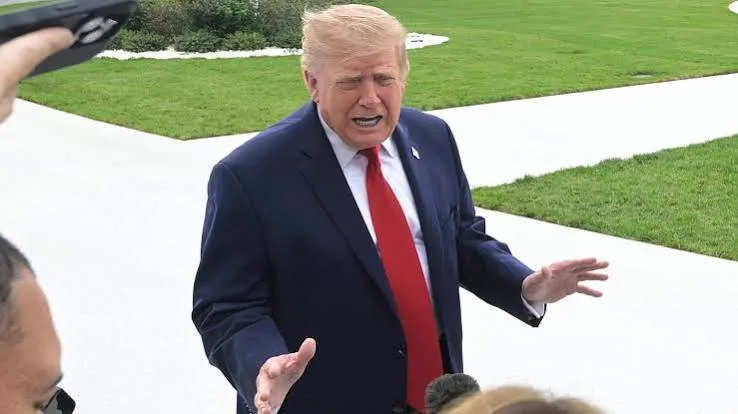
US President Donald Trump has dismissed Iran’s latest proposal to reopen the Strait of Hormuz, describing it as “unacceptable” and signalling that Washington is not prepared to accept Tehran’s conditions for restoring normal navigation through one of the world’s most important oil shipping routes.
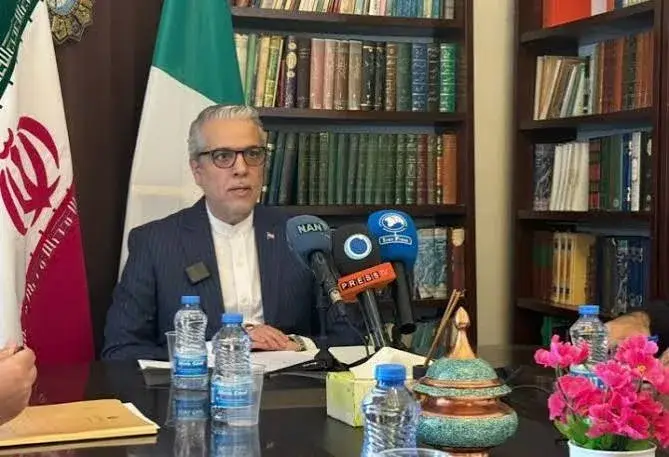
The rejection came on Saturday, days after Iran’s Foreign Minister Abbas Araghchi announced that Tehran had submitted a fresh proposal to the United States that would reopen the strategic waterway and restart negotiations between the two countries. The proposal, according to Araghchi, would take effect as soon as the United States accepted the plan.
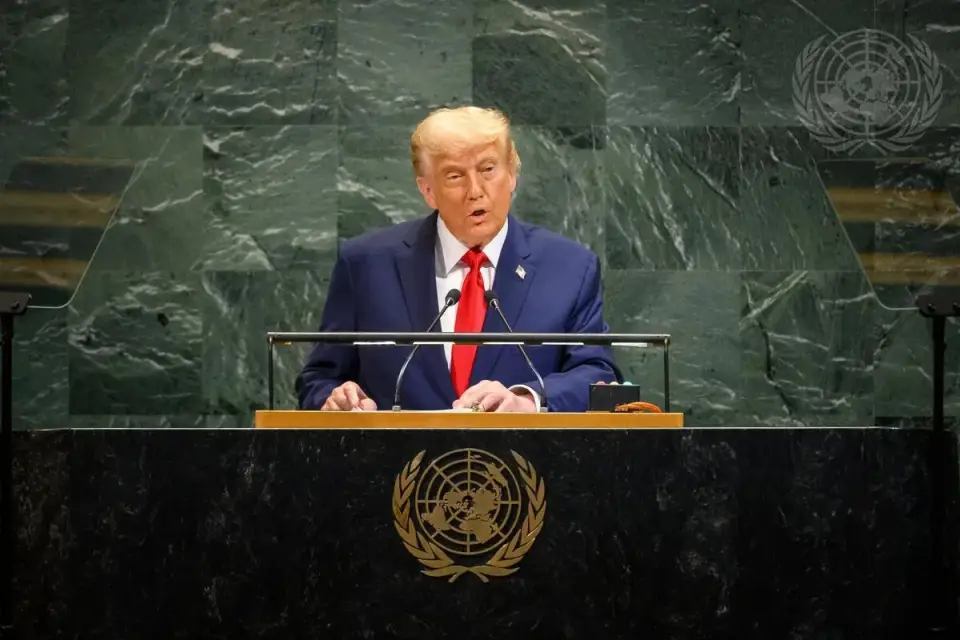
Speaking to reporters during the 81st United Nations General Assembly in New York, Araghchi said Iran’s latest offer sought to revive elements of the US-Iran Memorandum of Understanding signed in June, which later collapsed following renewed hostilities. While he did not disclose the full details, he said the conditions were “nothing more” than the commitments already contained in the earlier agreement.
That June memorandum reportedly included provisions for sanctions relief, the release of frozen Iranian assets and a cessation of military operations, including in Lebanon. However, the agreement unraveled shortly after it was reached, leaving both diplomatic engagement and maritime security in the Gulf in limbo.
Trump poured cold water on the renewed initiative, insisting the proposal did not meet US expectations.
“I reject their proposal,” the US president said when asked about Iran’s plan.
“They want to make a deal where they open the strait immediately because they’re losing so badly. They want to make a deal, and I think that’s fine. I like making a deal too, but that deal would not be acceptable.”
Araghchi argued that reopening the Strait of Hormuz could happen within seven days if Washington accepted the framework, placing responsibility for the next move squarely on the United States.
“If the necessary conditions are met, the strait can be reopened, a normal maritime passage restored within seven days. The choice now rests with the United States,” he said. Reuters
The Iranian foreign minister also defended Tehran’s position, saying maritime security could not be separated from broader political and military tensions.
“You cannot bomb a country, threaten its annihilation, impose a maritime blockade and coercive measures, and expect automatic restoration of security and navigation,” Araghchi added. Reuters
Despite Trump’s public rejection, the White House indicated that indirect diplomatic contacts have continued through mediators. A senior US official described the discussions as “positive and constructive” but suggested Washington believes it holds the stronger negotiating position.
“The United States is in a very strong position with control of the Strait of Hormuz, so we are not in a rush,” the official said. Reuters
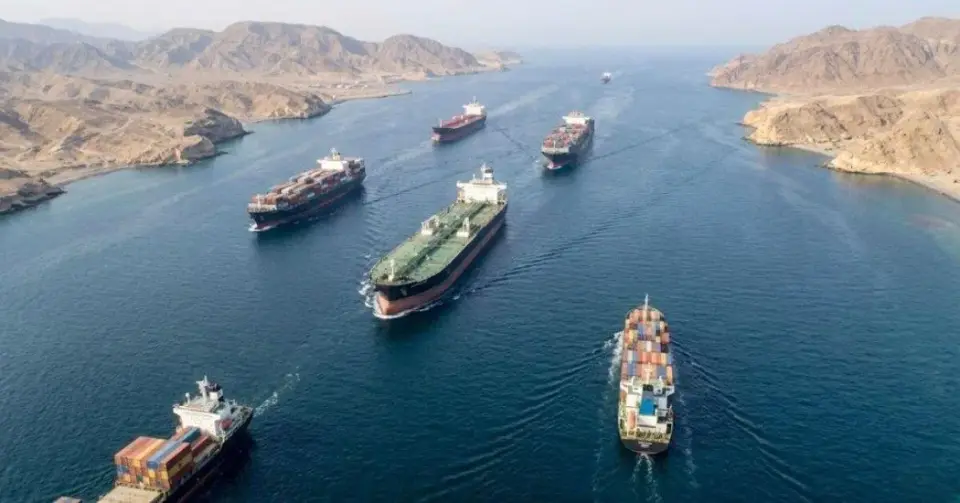
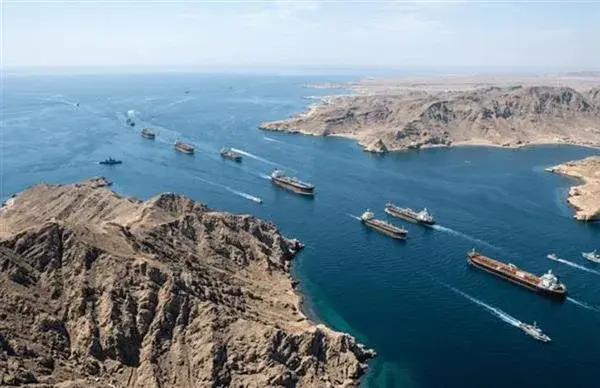
The Strait of Hormuz remains one of the world’s most strategically significant maritime chokepoints. Situated between Iran and Oman, the narrow passage carries roughly one-fifth of global oil consumption and serves as the principal export route for crude oil and liquefied natural gas from producers including Saudi Arabia, Iraq, Kuwait, Qatar and the United Arab Emirates. Any prolonged disruption has immediate implications for global energy prices, shipping costs and international trade.
As diplomatic efforts continue, the disagreement over Hormuz highlights the fragile balance between negotiation and deterrence in the Gulf. Whether Washington and Tehran can bridge their differences will shape not only regional security but also the stability of global energy markets, making the future of the Strait of Hormuz a matter of worldwide economic significance.
More on Middle East
Middle East
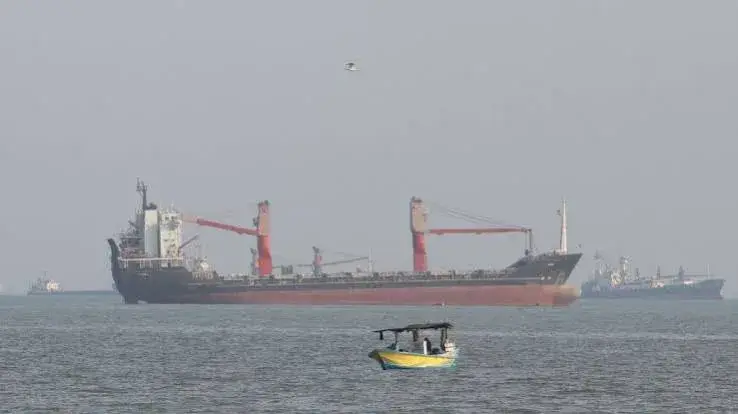
One Ship Sinks, Another Damaged in Latest Strait of Hormuz Attacks
16 Oct 2026
Middle East
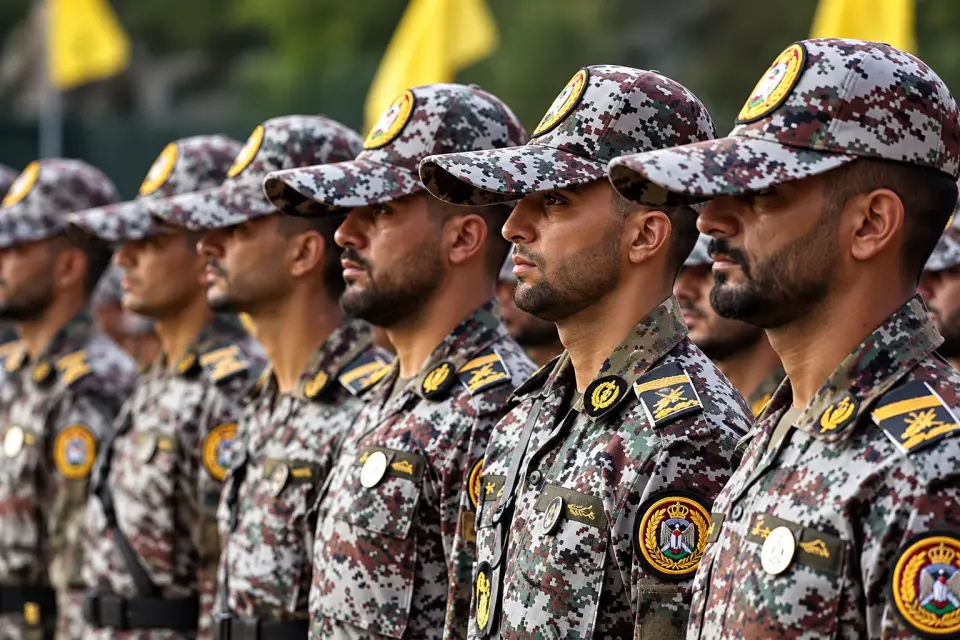
Iran Says There Is No Military Solution to Middle East War
5 Oct 2026
Middle East
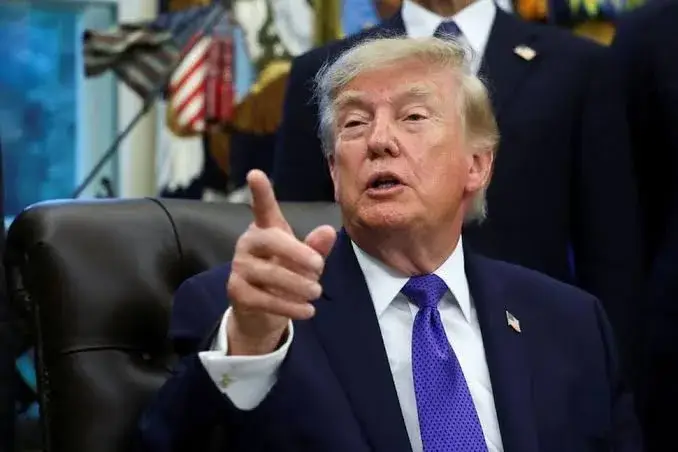
Trump Denies Iran Sanctions Offer as Reports Point to Possible Nuclear Deal
29 Sept 2026
Middle East
US and Iran Hold First Talks Since June After Trump’s “Annihilate” Threat
24 Sept 2026
Middle East
Hormuz Standoff Escalates as Iran and US Exchange Military, Economic Strikes
9 Sept 2026
Partner with Follow Global Trends
Display banners, sponsored stories and founder spotlights.
You may also like
Middle East
Iran Calls on World Leaders to Stop US Military Strikes After Fresh Attacks
5 Sept 2026
Middle East
Iran Claims Ship Carrying 2,500 Containers Sank After Mine Strike
15 Oct 2026
Middle East
Hormuz Shipping Traffic Dwindles as Middle East Attacks Intensify
17 Sept 2026
Middle East
US and IRGC Trade Fire as Oil Tankers Come Under Attack in Hormuz
6 Sept 2026
Middle East
Yemen Forces Push Houthis Back, Claim Control of Vital Bab el-Mandeb Strait
6 Oct 2026
Middle East
BRICS Calls for Maximum Restraint as Middle East Tensions Escalate
13 Sept 2026