
Iran Says There Is No Military Solution to Middle East War
Iran is urging Washington back to negotiations, warning that military force and sanctions cannot end the conflict as tensions remain high around the Strait of Hormuz.
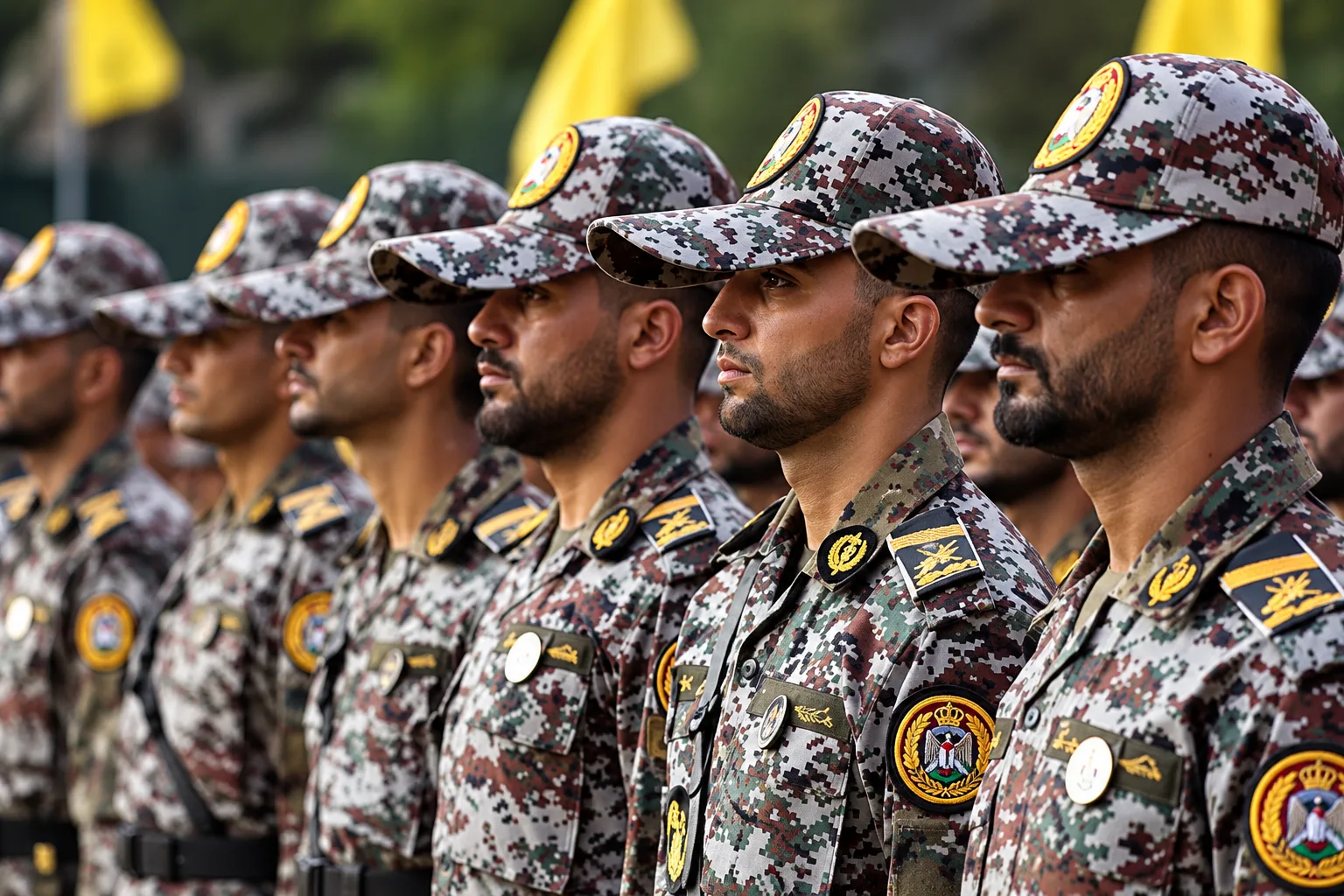
Iran has told the United States that the war in the Middle East cannot be settled through military force, with Foreign Minister Abbas Araghchi calling for negotiations as Washington and Tehran remain locked in a dispute over the Strait of Hormuz.
Speaking to foreign ambassadors in Tehran on Sunday, Araghchi said Iran would respond more forcefully if its adversaries resumed military action but argued that neither military confrontation nor additional sanctions could provide a lasting solution.
“There is no military solution,” Araghchi said, according to reports of his remarks, adding that only negotiations based on what Tehran considers justice and fairness can bring the conflict to an end.
His comments come as diplomatic efforts appear stalled and the Strait of Hormuz has become the central point of confrontation. Iran has insisted that the waterway will not fully reopen until a series of conditions agreed during earlier negotiations with Washington are addressed. Those demands include a ceasefire, the lifting of sanctions affecting Iran's oil sector, the release of frozen Iranian assets and an end to the U.S. naval blockade.
The United States, meanwhile, has maintained pressure on Tehran while leaving open the possibility of further negotiations. Washington has rejected Iran's conditions as presented, although Iranian officials say the two sides have continued to exchange positions indirectly through intermediaries.
Iranian Foreign Ministry spokesman Esmaeil Baghaei said Tehran's attention is now focused heavily on the maritime dispute. He said reopening the Strait would require an end to what Iran describes as interference with its commercial shipping and the lifting of sanctions.
The disagreement has consequences far beyond Iran and the United States. The Strait of Hormuz is one of the world's most important energy corridors, linking Gulf producers with international markets. Disruptions to shipping through the waterway have already increased costs and complicated the movement of oil and gas.
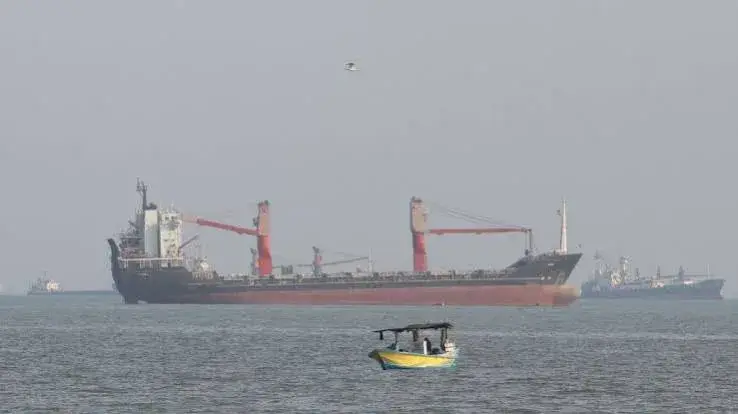
The security situation remains unsettled. Britain's UK Maritime Trade Operations agency said on October 4 that the master of a tanker reported the vessel had been struck by an unknown projectile inside the Strait of Hormuz, damaging its engine room. The crew was reported safe and there was no reported environmental impact. UKMTO did not identify the projectile's origin or attribute responsibility for the incident.
The latest incident is part of a broader series of maritime security reports in and around the Strait in recent weeks. UKMTO has recorded multiple cases involving vessels reportedly struck by unknown projectiles, with investigations continuing and ships being advised to transit with caution.
At the same time, the United States has continued to maintain significant military capabilities in the region. The White House has said American forces are protecting commercial shipping and maintaining control of the Strait, while recent reporting indicates Washington has reinforced regional defences and increased its military presence.
That creates a difficult diplomatic equation. Tehran is presenting negotiations as the route out of the conflict while warning that it will retaliate if attacked. Washington, for its part, is maintaining military and economic pressure while insisting on conditions that Iran has resisted.
The nuclear issue also remains part of the wider dispute. The United States and Israel have framed their military campaign around preventing Iran from acquiring nuclear weapons, while Tehran has consistently denied seeking a nuclear weapon. But the immediate diplomatic confrontation has increasingly centred on sanctions, maritime access and control of the Strait of Hormuz.
The stakes are particularly high because the conflict is no longer simply a confrontation between two governments. The security of commercial shipping, energy supplies and major Gulf economies is tied to whether the two sides can prevent the Hormuz dispute from developing into a prolonged regional crisis. For now, Iran's latest message is that military pressure will not produce a settlement, while the continuing military buildup and attacks on shipping show just how far the two sides remain from an agreement.
More on Middle East
Middle East
Trump Rejects Iran’s Strait of Hormuz Proposal as Gulf Tensions Persist
26 Sept 2026

Middle East
US Mission in UAE Warns Americans of Possible Travel Disruptions Amid Rising Middle East Tensions
20 Sept 2026
Middle East
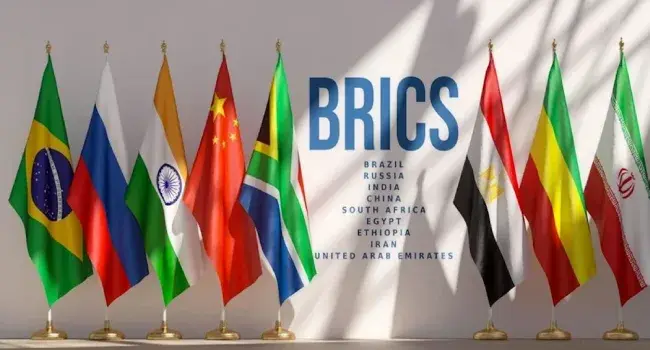
BRICS Calls for Maximum Restraint as Middle East Tensions Escalate
13 Sept 2026

Middle East
Middle East Tensions Push Crude to $105, Borrowing Costs Climb Worldwide
10 Sept 2026
Middle East
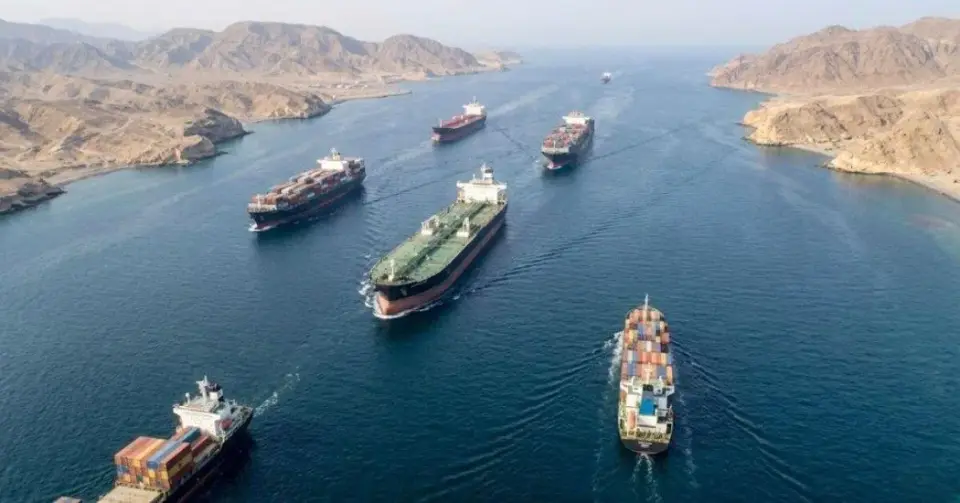
Hormuz Shipping Traffic Dwindles as Middle East Attacks Intensify
17 Sept 2026
Partner with Follow Global Trends
Display banners, sponsored stories and founder spotlights.
You may also like
Middle East
Saudi Arabia Turkey Pakistan Officials Meet Iran Leaders in Tehran
26 Oct 2026
Middle East
One Ship Sinks, Another Damaged in Latest Strait of Hormuz Attacks
16 Oct 2026
Middle East
Iran Claims Ship Carrying 2,500 Containers Sank After Mine Strike
15 Oct 2026
Middle East
Trump Denies Iran Sanctions Offer as Reports Point to Possible Nuclear Deal
29 Sept 2026

Middle East
Middle East Tourism Spending to Jump 57% by 2030, ATM Report Finds
17 Sept 2026
Middle East
Netanyahu Pushed for Iran Attack Ahead of Election
26 Oct 2026