
Iran Claims Ship Carrying 2,500 Containers Sank After Mine Strike
Iran’s Revolutionary Guard says a container ship carrying more than 2,500 containers sank after striking a naval mine near the Strait of Hormuz, but the cause remains unverified.
Iran’s Islamic Revolutionary Guard Corps (IRGC) Navy has claimed that a container ship carrying more than 2,500 containers sank after hitting a naval mine in waters south of the Strait of Hormuz, as attacks on commercial vessels intensify along the strategic Middle Eastern shipping route.
The Guards said on Wednesday, October 14, that the vessel caught fire after the reported explosion and eventually sank as the flames spread. In a statement carried by Iranian state media, the military described the ship’s intended passage as an unauthorized and dangerous route and warned other vessels to exercise caution.
The statement did not identify the ship by name, disclose its flag or ownership, or provide details about its crew or any casualties. Iranian authorities also warned local vessels and fishermen about containers reportedly floating in the water following the sinking.
However, the account of the incident has not been independently confirmed. The Associated Press reported that it remained unclear whether the ship described by Iran was the same vessel that Singapore’s maritime authorities confirmed had sunk after being struck by an unidentified projectile.
Singapore’s Maritime and Port Authority said on October 14 that the Singapore-registered container ship GFS Pride had been damaged and caught fire before sinking while transiting the strait. All 21 crew members were safely evacuated, and no injuries were reported.
The authority also confirmed that another Singapore-registered container vessel, GFS Giselle, sustained hull damage after being struck by an unidentified projectile but managed to reach a safe anchorage under its own power. All 22 crew members were reported safe.
The Singaporean authority did not attribute either incident to a naval mine. The distinction is significant because the reported cause of the GFS Pride’s sinking remains different from the explanation offered by Iran, and available reporting has not conclusively established whether the two accounts concern the same event.
The United Kingdom Maritime Trade Operations (UKMTO), which monitors maritime security incidents, separately reported attacks involving commercial vessels in the Strait of Hormuz. Its notices described ships being struck by unidentified projectiles and said authorities were investigating. Those reports underscore the growing security threat but do not independently verify Iran’s claim of a mine strike.
The latest incidents come amid a broader escalation in maritime attacks linked to the conflict involving Iran, the United States and Israel. Reuters reported on Wednesday that a container ship and a dry bulk carrier had both sunk near the Strait of Hormuz within 24 hours after being hit by projectiles in separate incidents.
The bulk carrier, Cape Dao, sank weeks after it was struck on September 23, according to maritime records cited by Reuters. One crew member was reported killed, while the remaining crew had been evacuated following the earlier attack. The GFS Pride also sank during the latest series of incidents, although the cause of its damage has not been independently established as a mine strike.
Iran has repeatedly warned ships against using routes it considers unauthorized through the strait. The country has also sought to strengthen its control over maritime traffic amid its confrontation with Washington, which has imposed restrictions on Iranian port activity. The competing security measures and warnings have increased uncertainty for shipping companies operating in the area.
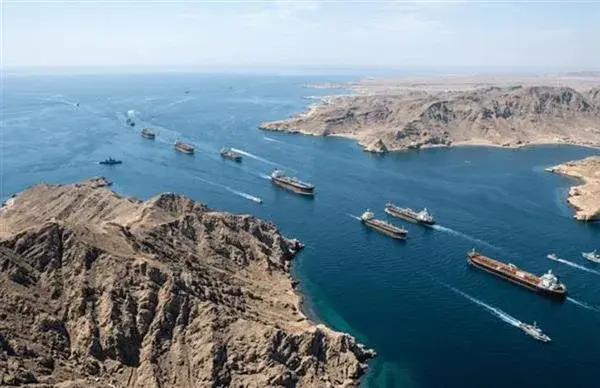
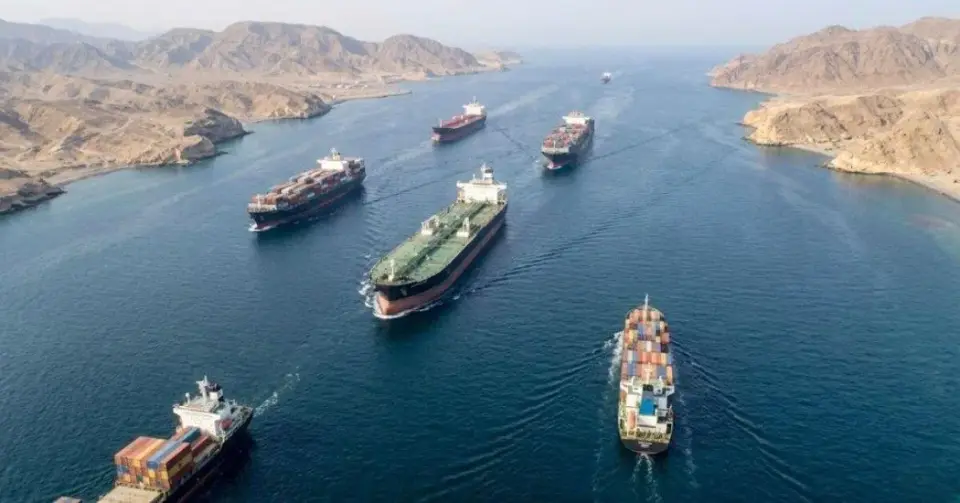
The Strait of Hormuz connects the Persian Gulf with the Gulf of Oman and the Arabian Sea. Before the current conflict, it carried roughly one-fifth of global oil and liquefied natural gas trade, making the passage a critical link between Gulf energy producers and international markets.
The reported sinking adds to concerns about the safety of crews and cargoes moving through the waterway. Even when incidents involve container ships rather than oil tankers, damage to commercial vessels can disrupt shipping schedules, raise insurance costs and complicate the movement of goods through a corridor central to international trade.
For now, the key questions surrounding Iran’s claim remain unresolved: the identity of the vessel it described, whether a naval mine caused the sinking, and whether the incident was the same as the loss of the GFS Pride. Until further evidence or an official investigation clarifies those points, the mine-strike account remains an Iranian military claim rather than an independently verified explanation of the sinking.
More on Middle East

Middle East
Trump Rejects Iran’s Strait of Hormuz Proposal as Gulf Tensions Persist
26 Sept 2026
Middle East
Hormuz Standoff Escalates as Iran and US Exchange Military, Economic Strikes
9 Sept 2026
Middle East
US and IRGC Trade Fire as Oil Tankers Come Under Attack in Hormuz
6 Sept 2026
Middle East
Iran Says There Is No Military Solution to Middle East War
5 Oct 2026
Middle East
Hormuz Shipping Traffic Dwindles as Middle East Attacks Intensify
17 Sept 2026
Partner with Follow Global Trends
Display banners, sponsored stories and founder spotlights.
You may also like
Middle East
Iran Calls on World Leaders to Stop US Military Strikes After Fresh Attacks
5 Sept 2026
Middle East
Yemen Forces Push Houthis Back, Claim Control of Vital Bab el-Mandeb Strait
6 Oct 2026

Middle East
Trump Denies Iran Sanctions Offer as Reports Point to Possible Nuclear Deal
29 Sept 2026
Middle East
US and Iran Hold First Talks Since June After Trump’s “Annihilate” Threat
24 Sept 2026
Middle East
Houthis Reportedly Seize Yemen's Strategic Red Sea Port of Mokha
11 Sept 2026
Middle East
Saudi Arabia on Alert After Second Riyadh Airport Attack in Two Days
12 Oct 2026