
Yemen Forces Push Houthis Back, Claim Control of Vital Bab el-Mandeb Strait
Yemen’s Saudi-backed government says its forces have secured effective control of the strategic Bab el-Mandeb Strait after a rapid offensive against Houthi fighters.
Yemen’s internationally recognised government says its forces have secured effective control of the strategic Bab el-Mandeb Strait, after a rapid military advance backed by heavy Saudi airstrikes pushed Houthi fighters away from key positions along the Red Sea coast.
The claim, announced as fighting continued in the area, marks a significant battlefield development in Yemen’s renewed civil war. Government forces have retaken the Dhubab district and positions overlooking the narrow maritime passage, while the Defence Ministry said the strategic port city of Mocha had also fallen to government forces.
Yemeni Information Minister Moammar al-Eryani told Reuters that government forces had established effective control of the strait after capturing the Dhubab airstrip and cutting off remaining Houthi forces in the area. Another government source, however, said fighting was still taking place near a military base, underscoring that the military situation remains fluid. Reuters said it could not independently verify the full extent of the government’s territorial gains.
The offensive began on Monday as Saudi-backed forces launched what the Yemeni government has called Operation Yemen Dawn, seeking to reverse a series of Houthi advances made along the western coast in recent weeks. Saudi Arabia provided extensive air support, with its coalition saying about 100 fighter jets were involved in the operation and that hundreds of Houthi targets had been struck.
The Houthis, who control the capital Sanaa and much of northern Yemen, have rejected the government's account of the battlefield. Houthi officials described reports of major government advances as false, while the group has continued to claim missile and drone attacks against Saudi targets, including airports, military installations and energy infrastructure. Those individual claims have not all been independently verified.
The battle for Bab el-Mandeb carries consequences well beyond Yemen. The strait links the Red Sea with the Gulf of Aden and sits on one of the world's most important maritime corridors connecting Europe and Asia. The International Maritime Organization describes the Red Sea route through Bab el-Mandeb as a critical pathway for global trade, while warning that conflict and instability threaten freedom of navigation and maritime commerce.
The waterway has become even more strategically important because shipping through the region is already under pressure from the wider Middle East conflict. The United States currently maintains a maritime advisory warning of renewed Houthi attacks on commercial vessels in the Red Sea, Bab el-Mandeb, Gulf of Aden and surrounding waters. The advisory notes that Houthi attacks have previously affected vessels from dozens of countries.
Recent fighting has already affected shipping patterns. Reuters reported in July that commercial traffic through Bab el-Mandeb fell sharply following Houthi attacks, while concerns over the safety of vessels have persisted as the group has sought to use control of Yemen’s coastline as leverage against Saudi Arabia and other regional actors.
The latest offensive is also unfolding against the backdrop of a much wider regional confrontation. Saudi Arabia is supporting the Yemeni government, while the Houthis are aligned with Iran. The United States has provided intelligence and operational support to Riyadh, while Pakistan and Turkey have also moved closer to Saudi Arabia through a new defence arrangement. The renewed fighting has effectively reopened one of the most dangerous fronts in Yemen’s long-running conflict.
The humanitarian consequences are already mounting. The Associated Press reported that the renewed escalation has killed hundreds, injured thousands and displaced nearly 174,000 people, adding another layer of pressure to a country that has endured years of conflict, food insecurity and weakened public services.
For now, the government’s declaration that Bab el-Mandeb has been secured remains a military claim rather than an independently verified end to the fighting around the strait. Even if government forces maintain their new positions, controlling the coastline on land does not automatically remove the wider threat to commercial vessels, particularly while Houthi missile and drone capabilities remain intact.
The struggle over Bab el-Mandeb therefore matters far beyond the shifting front lines of Yemen’s civil war. A sustained government hold could improve security along one of the world’s most important shipping routes at a moment when the nearby Strait of Hormuz is already under severe pressure. But if the fighting continues, the strategic waterway could remain a flashpoint where Yemen’s internal conflict, Saudi-Iranian rivalry and the wider Middle East crisis intersect—with consequences for global shipping, energy markets and regional security.
More on Middle East
Middle East
Houthis Reportedly Seize Yemen's Strategic Red Sea Port of Mokha
11 Sept 2026

Middle East
US Orders Diplomats Out of Saudi Arabia as Houthi Attacks Escalate
22 Oct 2026
Middle East
Houthis Report Deadly Saudi Airstrikes as Kingdom Issues Mass Alerts
15 Sept 2026
Middle East
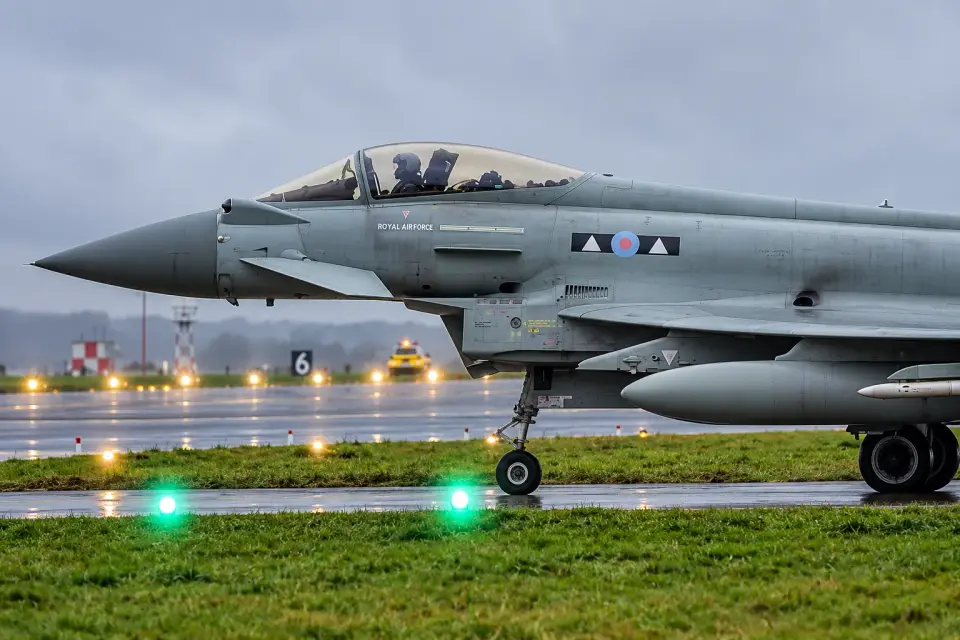
Britain Approves Typhoon Missions to Defend Saudi Arabia From Houthi Attacks
20 Oct 2026
Middle East
Saudi Arabia Turkey Pakistan Officials Meet Iran Leaders in Tehran
26 Oct 2026
Partner with Follow Global Trends
Display banners, sponsored stories and founder spotlights.
You may also like
Middle East
Saudi Arabia Postpones ‘Davos in the Desert’ After Deadly Attacks
20 Oct 2026

Middle East
Saudi Arabia Executes Two Bangladeshis; Consulate Says It Was Not Notified
20 Oct 2026
Middle East
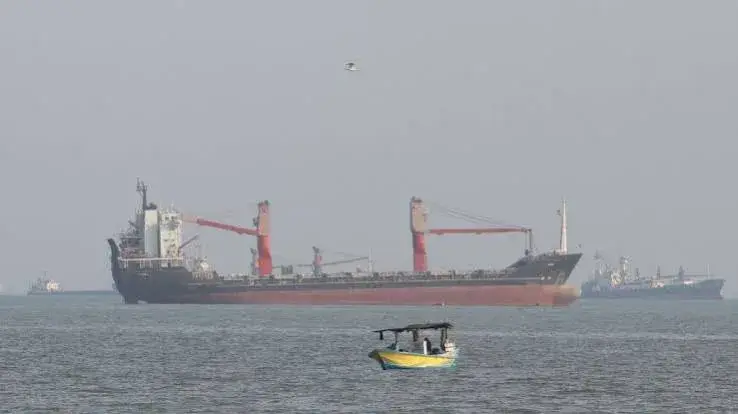
One Ship Sinks, Another Damaged in Latest Strait of Hormuz Attacks
16 Oct 2026

Middle East
Saudi Arabia on Alert After Second Riyadh Airport Attack in Two Days
12 Oct 2026
Middle East
Iran Says There Is No Military Solution to Middle East War
5 Oct 2026

Middle East
Trump Rejects Iran’s Strait of Hormuz Proposal as Gulf Tensions Persist
26 Sept 2026