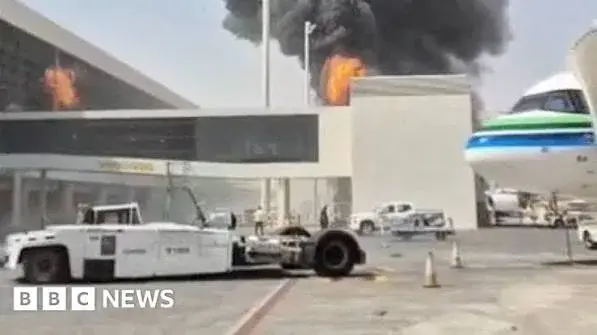
A severe escalation in the Yemeni conflict has claimed more than 50 lives over the past 24 hours.
The coordinated wave of airstrikes and artillery duels represents one of the deadliest single-day tolls since clashes between the Iran-aligned Houthi movement and Yemen’s Saudi-backed government flared anew earlier this year. Bloodshed hit populated civilian areas across multiple governorates, overwhelming rural clinics and pushing regional casualty figures sharply higher.
The rapid uptick in violence dashes hopes for diplomatic de-escalation as frontline engagements expand along key strategic corridors.
Deadly Strikes Near Sanaa and in Taiz
The heaviest single incident unfolded in the village of al-Shariya, located in the Bani Hushaysh district just east of the capital, Sanaa.
Health officials in the Houthi-controlled capital reported that morning airstrikes destroyed multiple residential buildings, killing at least 27 people and wounding roughly 30 others. Local medical personnel stated that the majority of those pulled from the rubble were women and children. Houthi authorities attributed the bombing directly to Saudi-led coalition aircraft.
The bombardment followed a devastating strike only hours earlier on a busy commercial market in southwestern Taiz province.
That attack ripped through the al-Hadara market in the al-Waziyah district, leaving at least 30 shoppers and vendors dead and dozens more injured. Both warring factions immediately traded accusations over the marketplace tragedy, with government officials in Taiz alleging a Houthi ballistic missile strike and Houthi representatives insisting coalition air raids caused the carnage.
A Truce Shattered: The Reignited War
The surge in casualties follows the formal breakdown of a United Nations-brokered truce that had largely suppressed large-scale offensive operations since 2022.
Hostilities resumed with renewed intensity over late summer before expanding sharply in October, when Yemen’s internationally recognized Presidential Leadership Council launched a sweeping military campaign dubbed "Dawn of Yemen." Backed by coalition air support, government brigades sought to dislodge Houthi fighters from tactical strongholds along the Red Sea coast and reclaim contested territory around Taiz, Lahij, and Marib.
In response, Houthi units stepped up missile and drone launches toward frontline staging hubs and cross-border targets, including a long-range cruise missile intercepted near Riyadh by Saudi air defense batteries on Friday.
Escalating Humanitarian Crisis and Regional Risks
International aid organizations have issued urgent warnings as the renewed fighting pushes Yemen's fragile infrastructure toward collapse.
The World Health Organization confirmed that nearly 1,800 people have died and more than 300,000 citizens have been forced from their homes since active ground fighting resumed in August. Relief agencies operating in Sanaa and southern provinces report critical shortages of trauma kits, blood supplies, and emergency fuel required to keep hospital generators running.
United Nations envoys cautioned that without an immediate cessation of hostilities, the country risks sliding back into the catastrophic conditions of the previous decade, when famine and widespread blockades pushed millions of civilians to the brink of starvation.