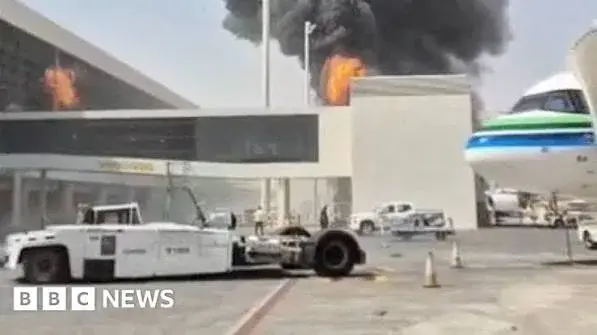
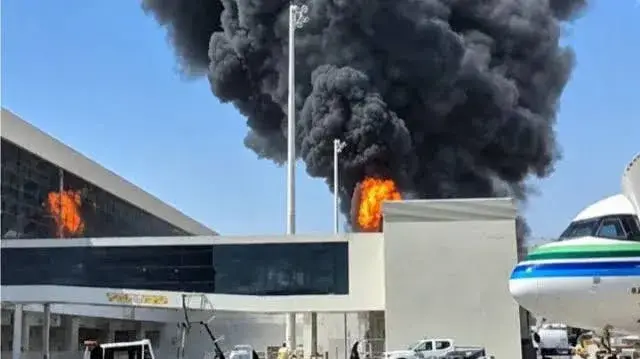
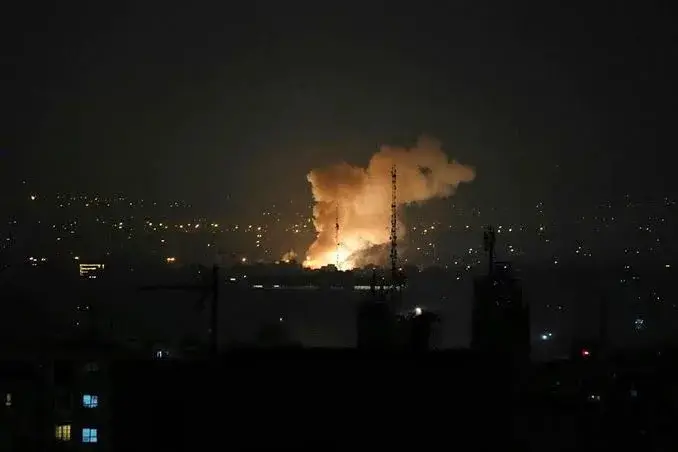
Commercial and environmental satellite imagery has captured a dense plume of black smoke billowing over Saudi Arabia’s coastal Ras Tanura peninsula. The visible fire follows claims by Yemen’s Iran-aligned Houthi rebels that they targeted the kingdom’s largest oil refinery.
The Ras Tanura facility is located along the Persian Gulf coast in Saudi Arabia’s Eastern Province. It operates alongside one of the world’s largest deep-water crude export loading terminals.
A source familiar with operational developments confirmed to international news agencies that an attack struck the sprawling industrial installation. Neither the Saudi government nor state energy producer Saudi Aramco immediately published an official assessment of physical damage.
Satellite Evidence Confirms Thick Smoke Plume
High-resolution orbital images from NASA Worldview and commercial operator Planet Labs documented the thick black smoke plume on Wednesday. Sensors tracked the cloud drifting across the coast toward regional population centres.
Thermal heat signatures recorded by satellite tracking networks confirmed multiple active fire hotspots within the complex perimeter. The facility spans approximately 600 square kilometres, making it one of the largest integrated refining installations on Earth.
Maritime monitoring feeds from offshore tankers stationed in the Arabian Gulf also showed visible smoke pillars rising above the industrial skyline. Port operations and terminal authorities continued tracking vessel movements as security patrols increased along the shoreline.
Houthis Claim Responsibility as Defenses Intercept Drones
Houthi military spokesperson Yahya Saree issued a formal video statement claiming responsibility for the operation. He stated that the rebel group launched drone swarms that triggered active blazes across the refinery grounds.
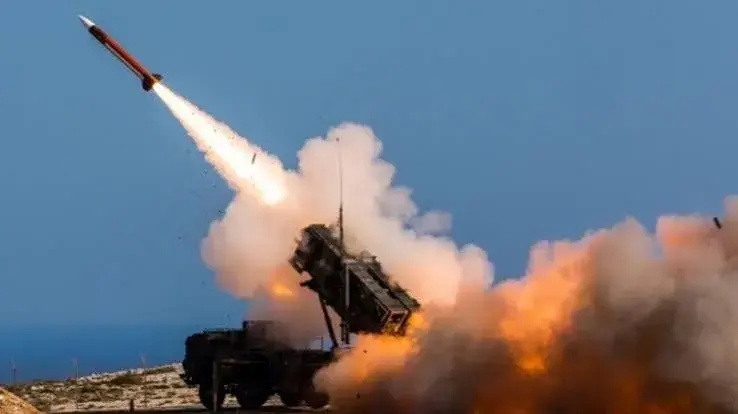
Hours earlier on Wednesday, military commanders from the Saudi-led coalition announced that regional air defences had engaged hostile targets. The coalition confirmed it intercepted and destroyed four explosive-laden drones over Ras Tanura.
Official military communiqués did not explicitly confirm whether falling debris or unintercepted drones caused the refinery blaze. Saudi defence forces have remained on elevated alert across the Eastern Province to protect critical energy infrastructure.
Strategic Importance of the Ras Tanura Hub
The Ras Tanura refinery possesses a processing capacity of 550,000 barrels of crude oil per day. That volume accounts for roughly 16 per cent of Saudi Arabia’s domestic refining capability.
Even more critically, the adjacent offshore terminal handles approximately 6.5 million barrels per day of seaborne oil exports. A significant proportion of crude exports destined for Asian economies departs directly from the coastal loading berths.
Energy analysts note that past drone and missile strikes have tested emergency automated shutdown procedures at Aramco facilities. The energy producer relies on extensive redundancy systems and remote distribution pipelines to maintain global supply commitments during local crises.
Regional Security and Global Energy Impact
The assault marks an escalation in cross-border strikes across the Arabian Peninsula amid widening regional conflicts. Houthi forces have repeatedly launched long-range projectiles against airports, logistics hubs, and petroleum infrastructure.
Global benchmark crude contracts recorded volatile trading sessions following visual confirmation of the refinery fires. Oil market traders are closely monitoring output stability ahead of scheduled production policy meetings among major exporting nations.
Saudi authorities are conducting on-site forensic inspections to assess structural damage and repair timelines. International security partners have reaffirmed commitments to assist Gulf nations in reinforcing layered counter-drone air defence batteries.