
Saudi Arabia Postpones ‘Davos in the Desert’ After Deadly Attacks
Saudi Arabia has postponed its Future Investment Initiative conference until 2027 as deadly attacks and security concerns disrupt the region’s business calendar.
Saudi Arabia has postponed its flagship Future Investment Initiative (FII), widely known as “Davos in the Desert”, until 2027, following a series of deadly attacks on the kingdom amid escalating conflict in the Middle East.
The four-day conference was scheduled to take place in Riyadh from October 26 to 29, but organizers confirmed on Monday, October 19, that the event would be moved to next year. A new date will be announced in the coming weeks, according to the FII Institute, which organizes the gathering.
The postponement comes as Yemen’s Iran-aligned Houthi movement intensifies attacks on Saudi targets, including military installations, energy infrastructure and Riyadh’s international airport. Recent strikes have killed at least 18 people and injured hundreds, according to Reuters, adding to concerns about the security of the kingdom’s major cities and critical infrastructure.
Although the organizers' public announcement did not explicitly attribute the postponement to the attacks, the decision came against the backdrop of worsening security conditions and reports that executives at major financial institutions were reconsidering their travel plans. Reuters reported that organizers had explored a hybrid format that would have allowed some participants to attend remotely, while other reporting indicated that financial firms had raised concerns about sending senior executives to Riyadh.
In announcing the change, FII Institute chief executive Princess Maha Bint Mishari Al Saud said the decision reflected a commitment to partners, members, speakers and delegates. She said organizers wanted the 10th edition to deliver the scale and quality expected of the landmark event, without providing further details about the circumstances behind the postponement.
The conference was expected to bring together senior executives from some of the world’s largest financial and technology companies. Those listed on the event’s programme included Goldman Sachs chief executive David Solomon, Standard Chartered chief executive Bill Winters and Citi chief executive Jane Fraser. Al Jazeera also reported that Alphabet and Google executive Ruth Porat and BlackRock chief executive Larry Fink were among the expected participants.
Established in 2017, the FII has become one of Saudi Arabia’s principal platforms for promoting its economic transformation agenda, known as Vision 2030. The initiative seeks to reduce the kingdom’s dependence on oil revenues by expanding sectors such as tourism, technology, sport, entertainment and financial services. The annual conference brings together investors, policymakers, business leaders and government representatives to discuss investment opportunities and economic development.
The postponement also comes amid broader disruption to business and diplomatic events across the Gulf since the US-Israeli war with Iran began earlier in 2026. Reuters reported that several conferences in the United Arab Emirates and Qatar had been cancelled, postponed or reconfigured during the earlier stages of the conflict. Saudi Arabia had initially experienced fewer attacks than some of its neighbours, but the recent escalation has increasingly affected its own commercial and civilian infrastructure.
The security situation has extended beyond the conference calendar. Al Jazeera reported that some government agencies and businesses in Riyadh had instructed staff to work remotely following repeated attacks, while offices in the city’s King Abdullah Financial District were also affected by precautionary measures. The developments have raised concerns for international companies whose employees, operations and investment decisions depend on reliable access to the kingdom.
For Saudi Arabia, the FII is more than a business gathering: it is a showcase for the country’s ambition to attract foreign capital and establish Riyadh as a global investment hub. Moving the event delays a major opportunity to promote that agenda to international decision-makers at a time when the kingdom is seeking funding and partnerships for its economic diversification plans. The rescheduling does not mean those ambitions have been abandoned, but it illustrates how regional conflict can disrupt even high-profile investment initiatives and complicate efforts to present the Gulf as a stable destination for global business.
More on Middle East
Middle East
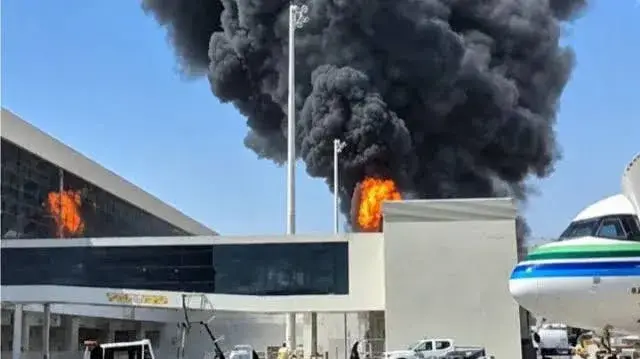
Saudi Arabia on Alert After Second Riyadh Airport Attack in Two Days
12 Oct 2026
Middle East
Saudi Oil Pipeline Shut Down After Attack Triggers Fires
12 Sept 2026
Middle East
Saudi Arabia Executes Two Bangladeshis; Consulate Says It Was Not Notified
20 Oct 2026
Middle East
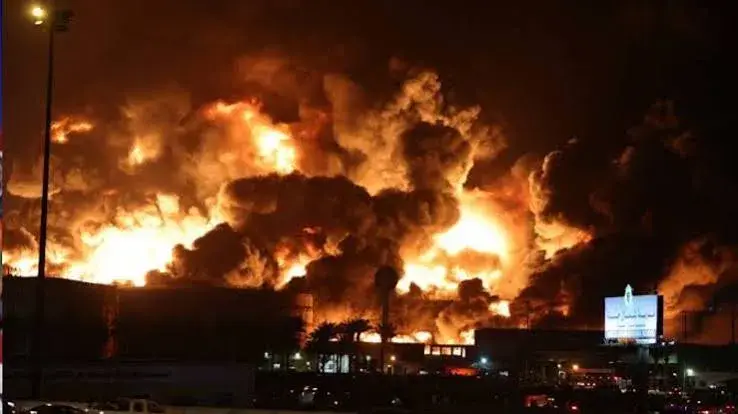
Saudi Aramco’s Jizan Oil Facilities Hit in Fresh Attacks
8 Sept 2026
Middle East
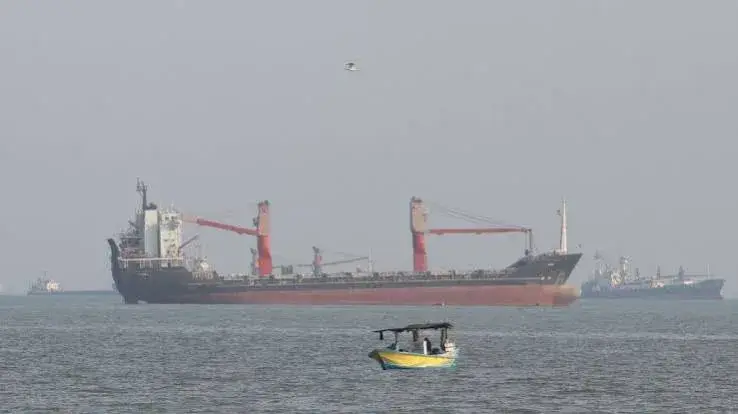
One Ship Sinks, Another Damaged in Latest Strait of Hormuz Attacks
16 Oct 2026
Partner with Follow Global Trends
Display banners, sponsored stories and founder spotlights.
You may also like
Middle East
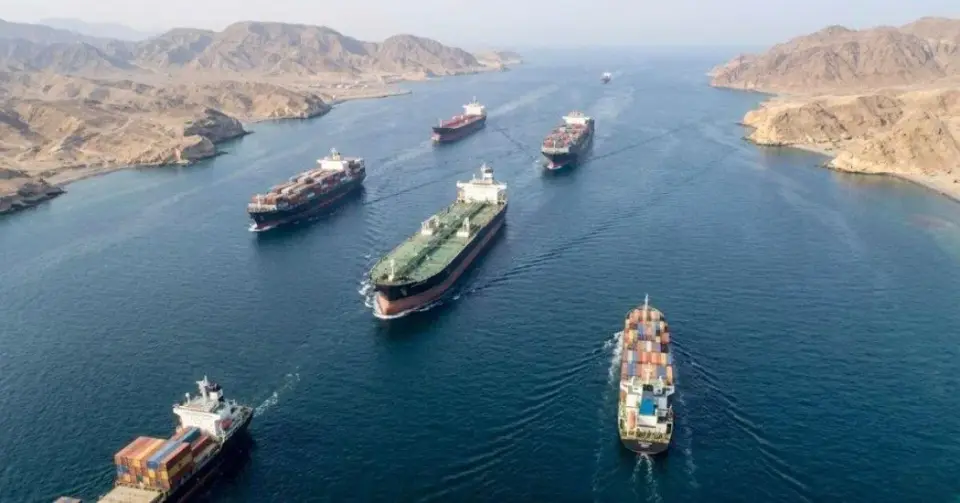
Hormuz Shipping Traffic Dwindles as Middle East Attacks Intensify
17 Sept 2026
Middle East
Houthis Report Deadly Saudi Airstrikes as Kingdom Issues Mass Alerts
15 Sept 2026
Middle East
Houthis Reportedly Seize Yemen's Strategic Red Sea Port of Mokha
11 Sept 2026
Middle East
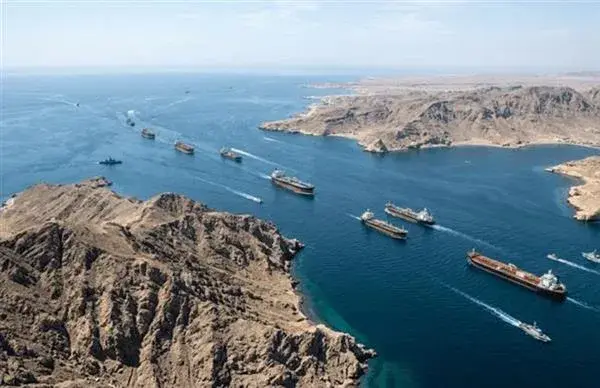
US and IRGC Trade Fire as Oil Tankers Come Under Attack in Hormuz
6 Sept 2026
Middle East
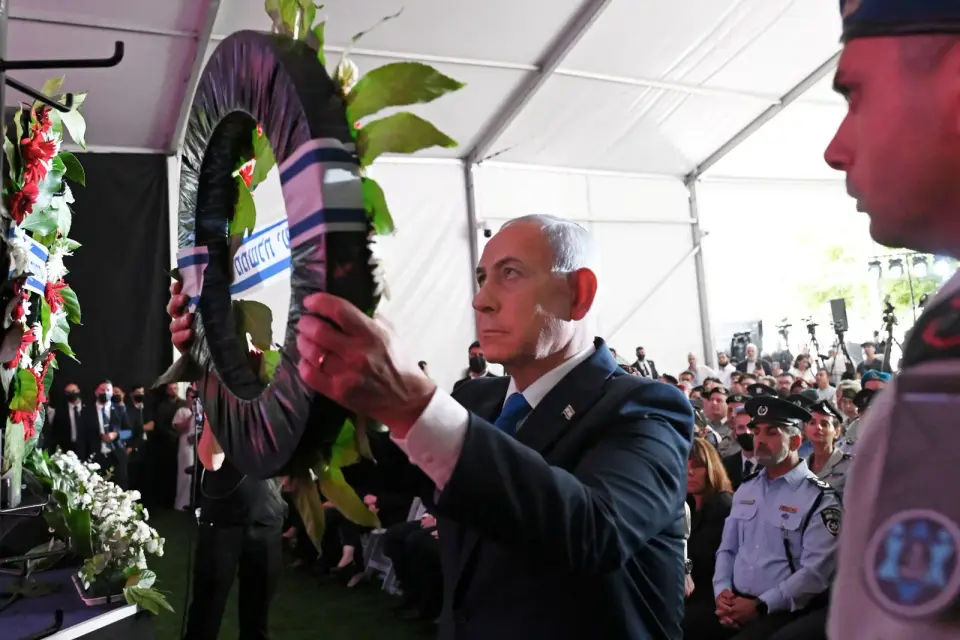
Israel Falls Silent Three Years After October 7 as Election Nears
7 Oct 2026
Middle East
Yemen Forces Push Houthis Back, Claim Control of Vital Bab el-Mandeb Strait
6 Oct 2026