
Saudi Arabia Turkey Pakistan Officials Meet Iran Leaders in Tehran
Senior defence and intelligence chiefs from the Mecca mutual defence pact held landmark quadrilateral talks in Tehran on Monday to curb escalating regional hostilities. The diplomatic push seeks to prevent renewed military strikes and contain cross-border clashes spreading across the Middle East.
Saudi Arabia Turkey Pakistan officials meet Iran leaders in Tehran on Monday for emergency talks on regional security. The high-stakes summit marks the first joint diplomatic mission to Iran by member states of the Mecca mutual defence pact since signing their tripartite accord in August.
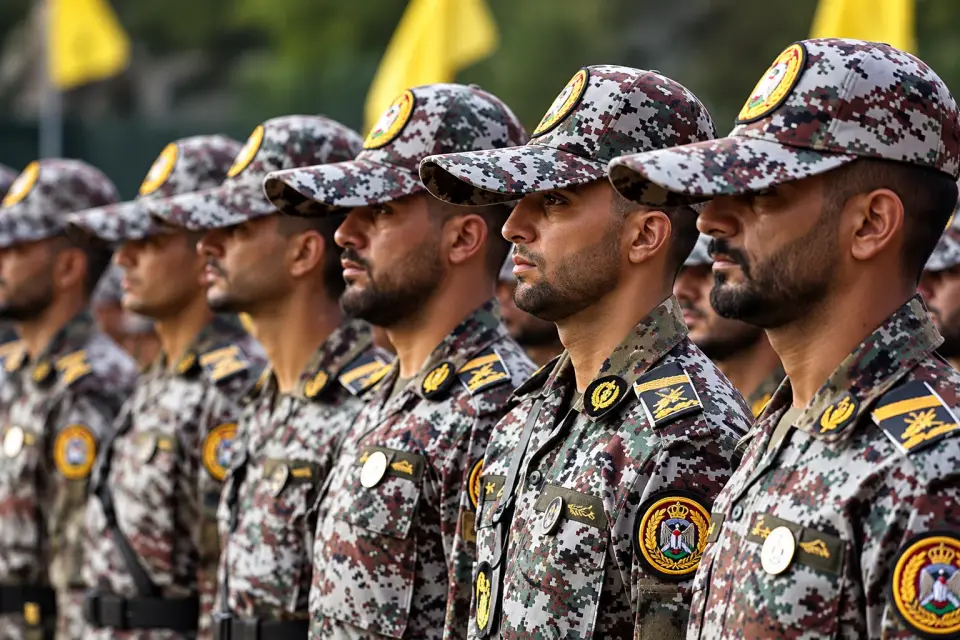
The delegation included Saudi Defence Minister Prince Khalid bin Salman, Pakistan’s Chief of Army Staff Field Marshal Asim Munir, and Turkish National Intelligence Organisation chief Ibrahim Kalin. The visiting officials held closed-door discussions with Iranian President Masoud Pezeshkian, Foreign Minister Abbas Araghchi, and Supreme National Security Council Secretary Mohsen Rezaei.
Emergency Diplomacy to Avert Regional War The rare quadrilateral meeting comes as regional security reaches a precarious turning point. Recent weeks have witnessed renewed threats of military strikes between the United States, Israel, and Iran, alongside intensifying drone and missile attacks launched by Yemen’s Houthi movement toward Saudi territory.
The Saudi Foreign Ministry confirmed that the Tehran talks aimed to open direct communication channels to prevent an unchecked return to armed escalation. Officials stressed that dialogue remains essential to safeguarding critical energy infrastructure and stabilizing trade corridors across the Arabian Peninsula.
According to a joint statement issued following the sessions, all four nations agreed to maintain structured communication channels to address bilateral security concerns and defuse cross-border flashpoints.
Strategic Coordination Under the Mecca Pact The joint presence of Riyadh, Ankara, and Islamabad in Tehran highlights the evolving geopolitical architecture of the wider region. Formed earlier this year, the Mecca mutual defence pact established closer military, intelligence, and diplomatic alignment between the three regional powers.
Rather than adopting an exclusively confrontational posture against Tehran, the bloc deployed its collective diplomatic weight to de-escalate tensions. Both Pakistan and Qatar have played central mediation roles throughout recent months of hostilities, facilitating communication between opposing factions.
The diplomatic mission comes as Saudi Arabia Turkey Pakistan officials meet Iran leaders to establish workable security guarantees and de-escalate cross-border missile strikes across vulnerable maritime and energy corridors.
Complex Roadblocks to Lasting Stability Despite the diplomatic breakthrough in establishing direct dialogue, severe obstacles continue to threaten regional stability. Ceasefire frameworks agreed earlier in the year suffered repeated setbacks as hostilities flared across multiple fronts.
Saudi Arabia continues to face security threats from Houthi strikes originating in Yemen, prompting recent defensive coordination agreements with regional partners, including Egypt. Concurrently, hardline factions in Washington and Tehran have warned of potential military retaliations if red lines are breached.
While Saudi Arabia Turkey Pakistan officials meet Iran leaders to preserve dialogue, lasting regional stability will depend on enforcing airspace neutrality, halting proxy warfare, and delivering verifiable de-escalation across the Persian Gulf.
Geopolitical Analysis and Global Security Insights Understanding shifting global alliances and international security pacts is critical for navigating international business and policy risks. For professionals tracking foreign policy developments and cross-border risk management, staying informed through verified geopolitical intelligence briefings provides essential clarity in volatile environments.
More on Middle East
Middle East
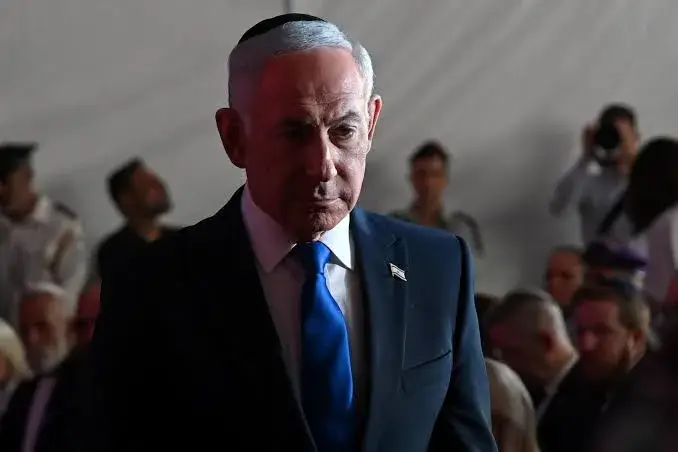
Netanyahu Pushed for Iran Attack Ahead of Election
26 Oct 2026
Middle East
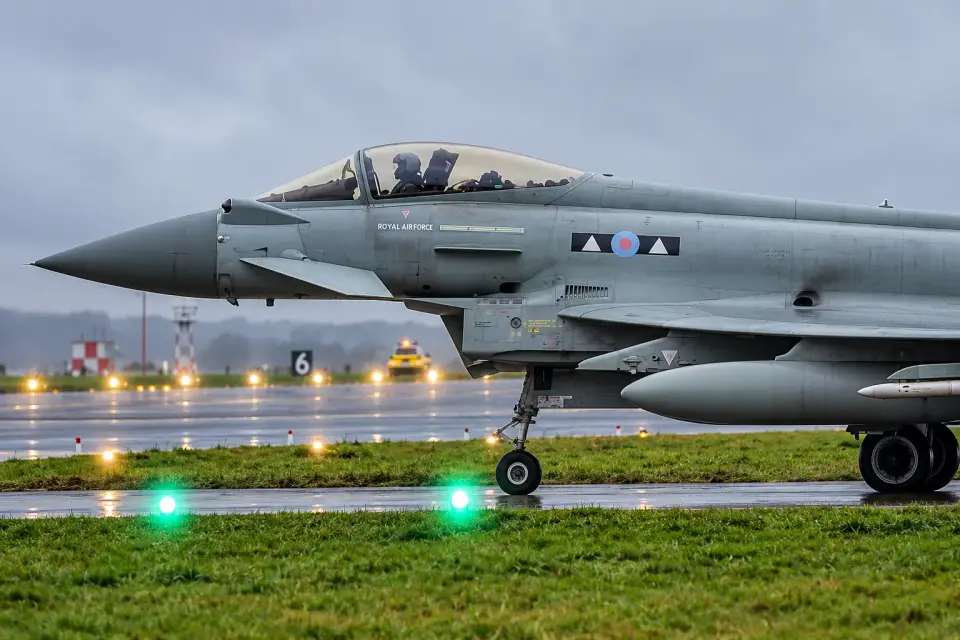
Britain Approves Typhoon Missions to Defend Saudi Arabia From Houthi Attacks
20 Oct 2026
Middle East
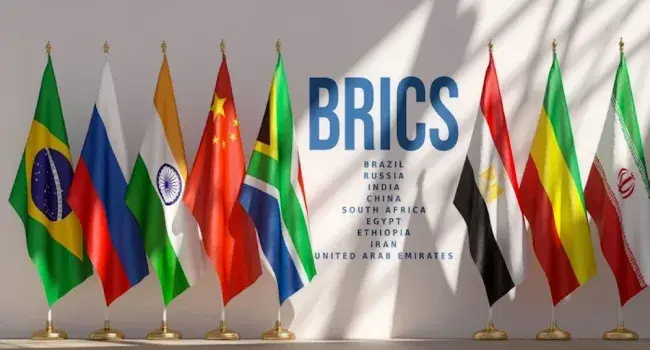
BRICS Calls for Maximum Restraint as Middle East Tensions Escalate
13 Sept 2026
Middle East
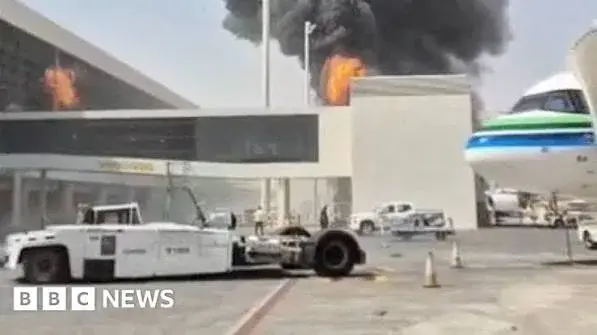
US Orders Diplomats Out of Saudi Arabia as Houthi Attacks Escalate
22 Oct 2026
Middle East
Iran Says There Is No Military Solution to Middle East War
5 Oct 2026
Partner with Follow Global Trends
Display banners, sponsored stories and founder spotlights.
You may also like

Middle East
Middle East Tensions Push Crude to $105, Borrowing Costs Climb Worldwide
10 Sept 2026
Middle East
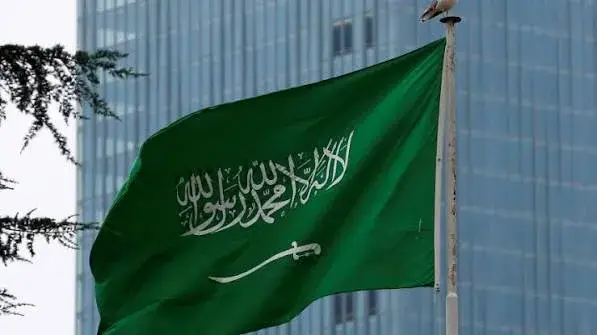
Saudi Arabia Executes Two Bangladeshis; Consulate Says It Was Not Notified
20 Oct 2026
Middle East
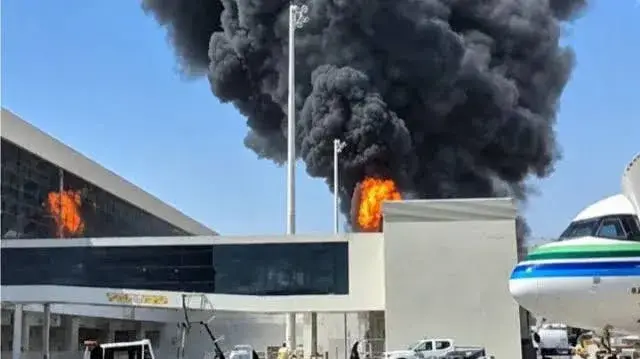
Saudi Arabia on Alert After Second Riyadh Airport Attack in Two Days
12 Oct 2026
Middle East
Israel to Revoke Diplomatic Status of Dutch Officials in West Bank
28 Sept 2026
Middle East
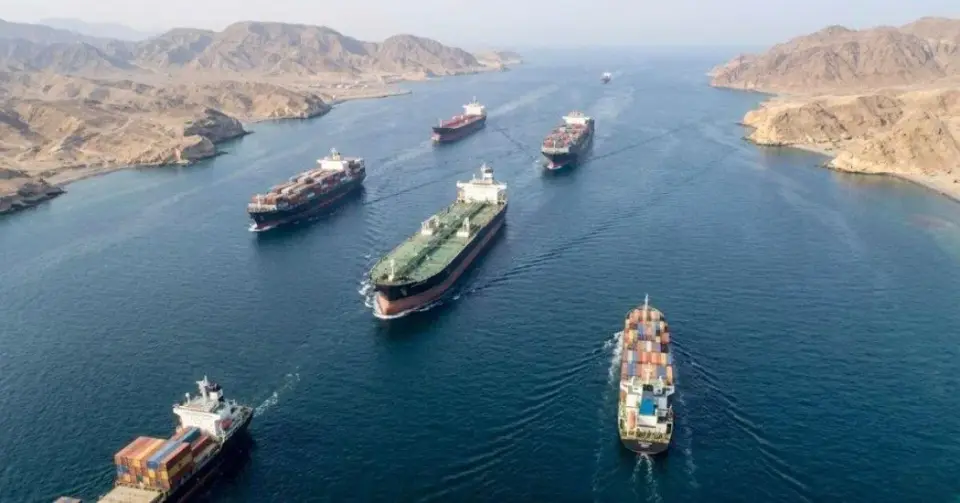
Hormuz Shipping Traffic Dwindles as Middle East Attacks Intensify
17 Sept 2026
Middle East
Saudi Arabia Postpones ‘Davos in the Desert’ After Deadly Attacks
20 Oct 2026