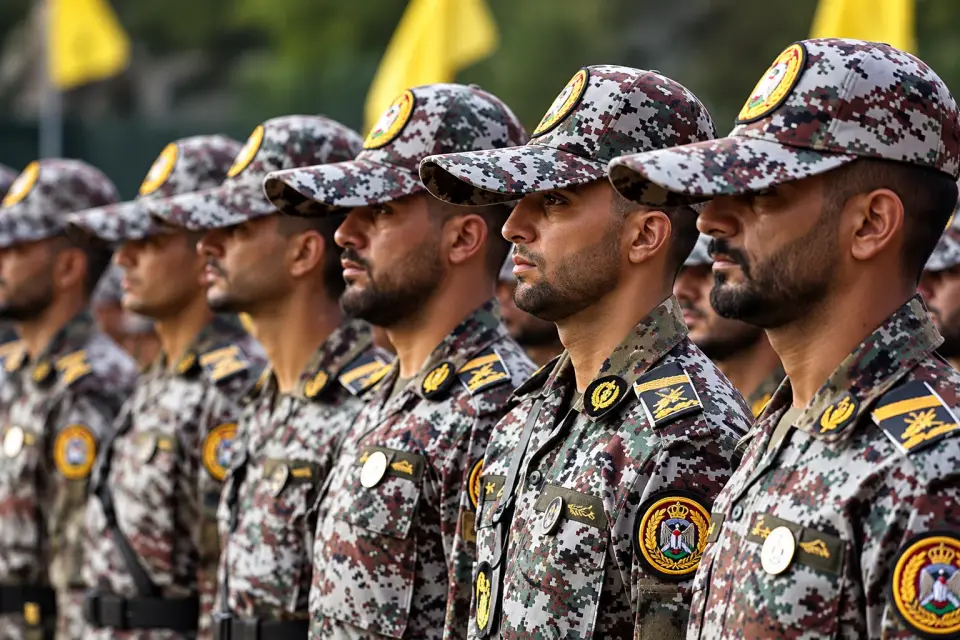
Iran has delivered an explicit warning across the region, declaring that foreign nations assisting United States military operations against Iranian territory will face direct military strikes.
The declaration specifically targets countries providing staging grounds, airspace access, or logistical assistance for American strikes. Officials emphasized that nations hosting active military installations will share full responsibility if those installations facilitate hostile missions.
Neighbouring states across the Persian Gulf have placed defence forces on elevated standby following the announcement. The policy shift signals an intention to expand the geographic boundaries of any potential confrontation well beyond Iranian soil.
Expanded Retaliation and Strategic Posture
Military planners announced that retaliatory actions will not remain confined to the specific launch sites used in an attack. Command officials indicated that logistical hubs, fuel depots, and communication centres supporting foreign operations will also be classified as hostile assets.
Defence leaders stressed that long-range strike systems and precision missiles give the military the reach to strike infrastructure throughout the region. The country's latest weapons doctrine relies heavily on domestically produced mobile launchers and high-speed missile platforms.
Officials maintained that these defence capabilities remain fully operational and independent of external supply chains. They asserted that defensive batteries and tactical forces have already prepared contingency plans for multiple retaliatory scenarios.
Growing Risks to Energy and Trade
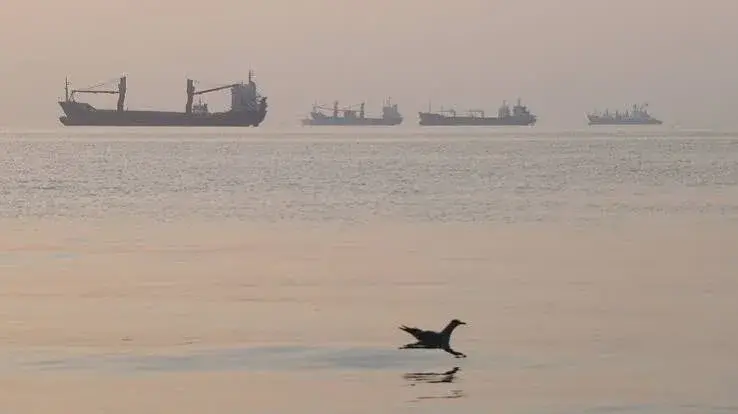
The threat of broadened conflict has sparked deep concern across global shipping and commodity markets. Key waterways, including the Strait of Hormuz, handle a major share of international petroleum shipments every day.
Commercial shipping operators have already begun reviewing passage routes and securing additional risk underwriting. Any sustained military confrontation in the Gulf corridor poses immediate risks to energy distribution, maritime trade, and global supply chains.
Economists caution that an escalation directly involving Gulf nations could drive sharp, immediate spikes in fuel prices worldwide. Port authorities in nearby commercial centres are reviewing security protocols to safeguard civilian infrastructure against collateral disruption.
Diplomatic Appeals and Unresolved Questions
International diplomats have stepped up calls for urgent de-escalation and renewed dialogue to prevent an open regional war. Several governments have urged all sides to exercise maximum restraint and avoid irreversible miscalculations.
Major questions remain unresolved regarding how neighbouring nations plan to balance bilateral defence commitments with regional security risks. While certain Gulf partners host substantial foreign troop detachments, many have publicly stressed a desire to avoid being drawn into active combat.
Whether diplomatic mediation can ease tensions before military actions escalate remains uncertain. In the meantime, border posts, shared sea lanes, and defensive positions across the region remain on maximum alert.