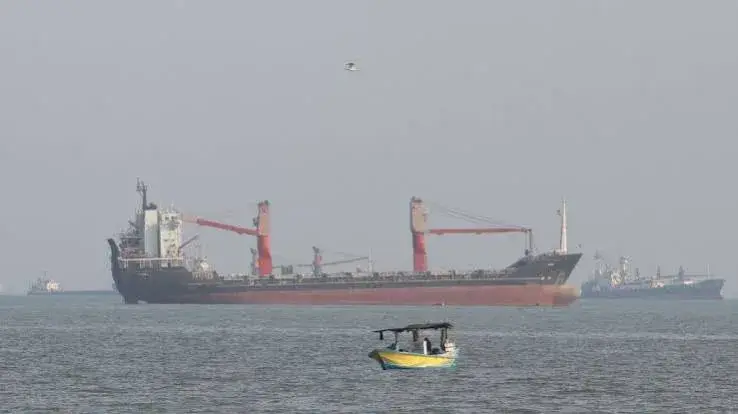
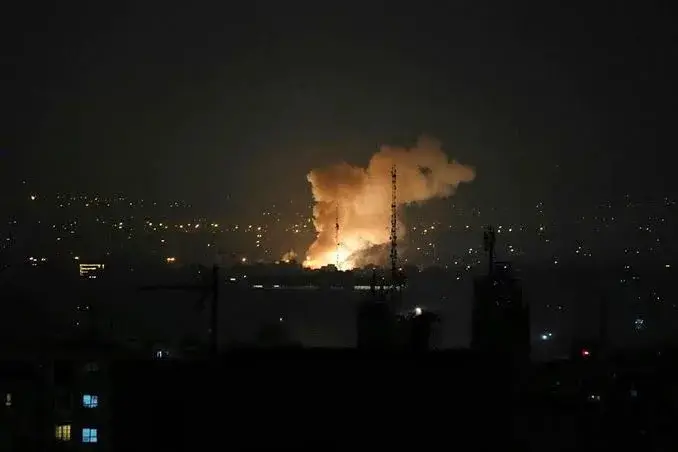
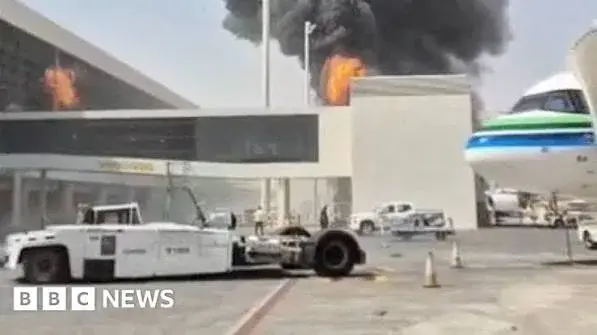
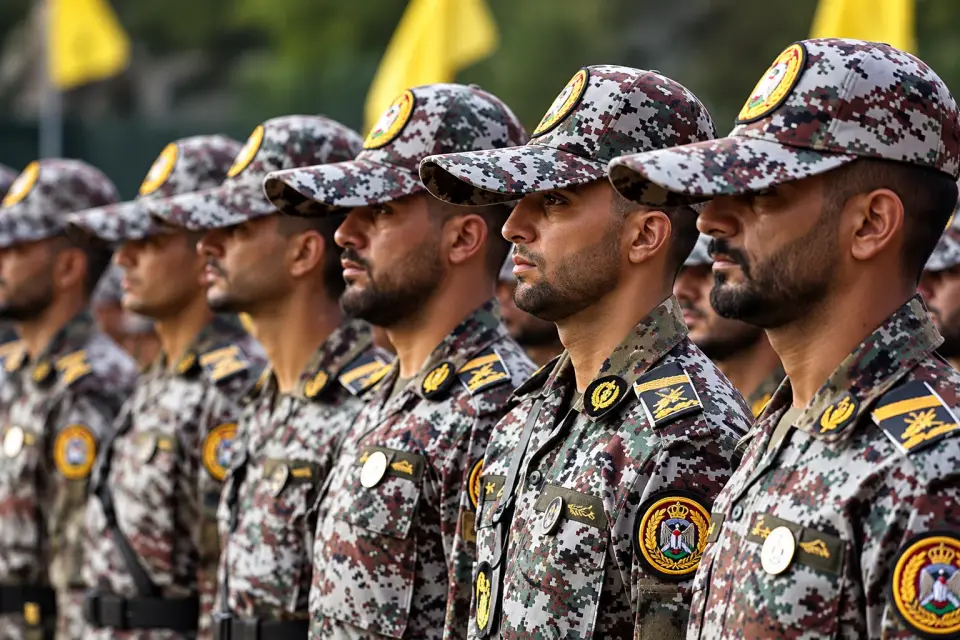
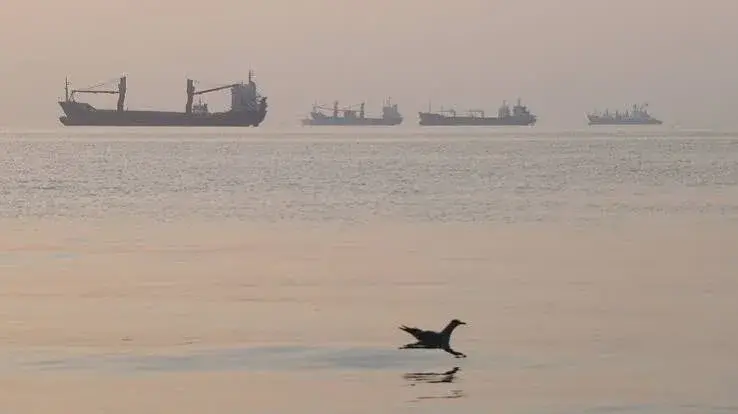
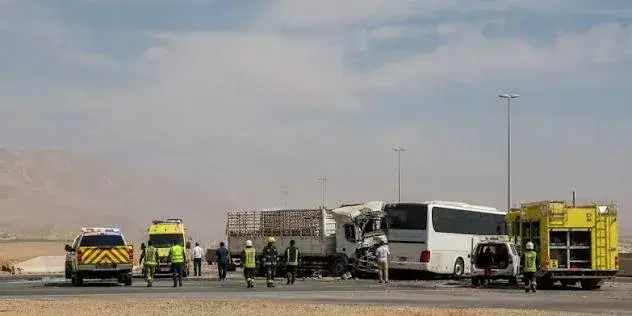
Commercial shipping through the Strait of Hormuz has suffered another sharp decline following fresh attacks on tankers.
Data from maritime analytics firm Kpler showed that only five commodity vessels transited the strategic waterway on Saturday. No commodity vessel transits were recorded on Sunday.
The figures mark a dramatic fall compared with the previous weekend, when 31 commodity vessels crossed the Strait.
The latest slowdown comes amid increasing threats to commercial vessels and stalled diplomatic efforts to resolve the conflict between Washington and Tehran.
Some vessels may still be moving without being detected, particularly when their tracking systems are switched off. However, the recorded traffic remains far below normal levels.
Before the conflict, more than 130 ships reportedly crossed the Strait daily.
The waterway previously handled approximately one-fifth of global crude oil and liquefied natural gas shipments, making the disruption significant for international energy markets.
Tanker Attacks Raise Fears Among Ship Operators
The latest attacks have intensified concerns about the safety of commercial shipping.
The Joint Maritime Information Center reported three tanker attacks within approximately 15 hours on November 20 and 21.
The vessels were struck by unidentified projectiles near Khasab, Oman, along the Strait of Hormuz.
One tanker caught fire after being struck near its bow. Another vessel, identified as TORKEL, was hit on its stern and later reported at anchor.
The tanker ARINA was also struck in its engine room. No crew casualties were reported in the incidents, although environmental impacts remained unknown in some cases.
JMIC said seven tankers had been struck in the Strait since November 16.
The maritime security organisation has maintained a SEVERE regional threat classification.
These incidents have increased fears that ships could face further attacks while navigating the critical route.
US Blockade and Iran's Response Deepen the Crisis
The shipping disruption is also linked to the ongoing confrontation between the United States and Iran.
Washington has maintained its naval blockade targeting Iranian oil exports and related shipping activity.
The blockade was imposed in April, temporarily lifted in June following a draft understanding, and reinstated in July after the agreement collapsed.
Iran has strongly rejected the restrictions.
Foreign Ministry spokesperson Esmaeil Baghaei said Tehran would use all available means to confront the US blockade.
He described the blockade as military aggression and said Iran had the right to defend itself.
Iran has also said it controls passage through the Strait and would reopen it after Washington meets its conditions, including ending hostilities, lifting the blockade and waiving sanctions.
The opposing positions have left shipping companies facing uncertainty over whether commercial traffic can safely and freely resume.
Global Oil Supplies and Trade Face Growing Pressure
The Strait of Hormuz is one of the world's most important energy corridors.
Oil and gas shipments passing through the waterway supply major economies across Asia and other regions.
A prolonged disruption could increase transportation costs, shipping insurance premiums and energy-market uncertainty.
Shipping companies may also face longer journeys, delays and additional security expenses.
Although alternative pipelines and shipping routes can help some Gulf producers move supplies, they cannot fully replace the Strait's capacity.
The consequences could extend beyond energy markets. Higher transportation and fuel costs can affect manufacturing, aviation, food distribution and international trade.
The longer commercial shipping remains restricted, the greater the pressure on businesses and consumers worldwide.
What Happens Next?
The latest figures suggest that shipping operators are becoming increasingly cautious.
The United States has indicated that its blockade could continue indefinitely, while Iran says it will not accept the restrictions.
Meanwhile, tanker attacks continue to threaten the safety of crews and cargo.
Diplomatic efforts to resolve the conflict have stalled, leaving the region facing further uncertainty.
The immediate question is whether commercial vessels will begin returning to the Strait or whether the latest attacks will trigger another prolonged period of reduced traffic.
For global markets, the Strait of Hormuz remains one of the most closely watched maritime flashpoints.