
One Ship Sinks, Another Damaged in Latest Strait of Hormuz Attacks
One Singapore-registered container ship sank and another was damaged after unidentified projectiles struck the vessels near the Strait of Hormuz, as attacks on commercial shipping intensify across the region.
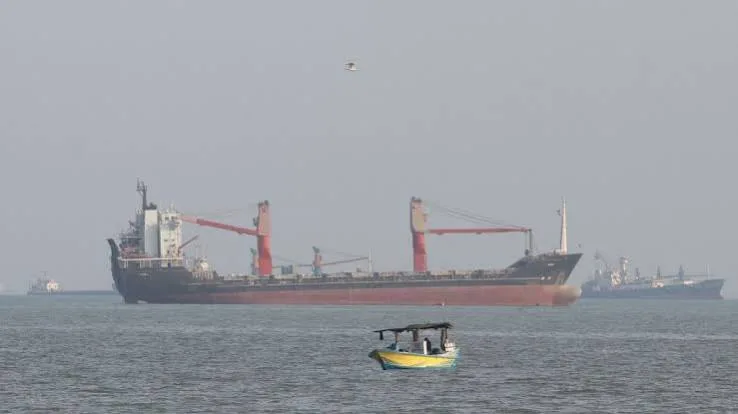
Two commercial ships have sunk in separate incidents near the Strait of Hormuz, while another Singapore-registered vessel was damaged in a recent attack, raising fresh concerns over the safety of one of the world’s most important maritime trade routes.
The Singapore-registered container ship GFS Pride sank after being struck by an unidentified projectile while transiting the strait on October 13, while the Cape Dao, a dry bulk carrier registered in Antigua and Barbuda, sank weeks after it was hit by a projectile on September 23, according to the Maritime and Port Authority of Singapore (MPA), Reuters and information reported to the United Nations’ shipping agency.
The attacks have occurred amid a wider increase in threats to commercial vessels operating in and around the waterway, where shipping has been caught up in the escalating conflict involving Iran, the United States and Israel.
The MPA said all 21 crew members aboard the GFS Pride were evacuated safely after the vessel sustained damage and caught fire. No injuries were reported. A second Singapore-registered container ship, the GFS Giselle, was struck by an unidentified projectile on October 14, suffering hull damage before reaching a safe anchorage under its own power. All 22 crew members aboard that vessel were reported safe, and neither ship had Singaporean nationals on board.
The sinking of the Cape Dao was a separate incident. Reuters reported that the vessel went down after sustaining projectile damage on September 23, with one crew member killed and the rest of the crew evacuated following the strike. The two sinkings should therefore not be confused with the two Singapore-registered vessels struck on October 13 and 14: only the GFS Pride sank in those latest incidents, while the GFS Giselle survived.
The identity of those responsible for the latest projectile strikes has not been established publicly by the Singaporean maritime authority. Iran’s Revolutionary Guard Corps navy separately said a cargo ship had sunk after hitting a naval mine in the Strait of Hormuz, claiming it had been travelling along what Iranian officials described as an unauthorized and dangerous route. The Associated Press reported that it was unclear whether the ship cited by Iran was the same vessel as the Singapore-registered ship that sank.
Singapore’s maritime authority condemned the continuing attacks on commercial shipping, describing them as unjustifiable and a breach of international law. It said actions affecting international shipping must comply with the United Nations Convention on the Law of the Sea and must not put seafarers or vessels at risk. The authority said it was in contact with the ships’ management company and monitoring the situation.
The incidents follow a series of attacks on vessels transiting the Strait of Hormuz. The United Kingdom Maritime Trade Operations (UKMTO), which issues maritime-security alerts, has reported repeated incidents involving tankers and container ships, including vessels struck by unidentified projectiles, fires on board and damage to ships. In its advisories, the organization has urged vessels to transit cautiously and report suspicious activity while authorities investigate.
The attacks have also extended beyond oil tankers to container ships and bulk carriers, underscoring the risks to a broad range of commercial shipping. Reuters reported that maritime-security specialists have warned that the threat is no longer limited to vessels transporting energy products. The sinking of cargo ships adds to the danger for crews and cargo operators, while raising questions about the reliability of maritime routes through the Gulf.
The Strait of Hormuz connects the Persian Gulf with the Gulf of Oman and the wider Indian Ocean. Before the current war, roughly one-fifth of global oil and liquefied natural gas trade passed through the narrow waterway, making it central to international energy supplies. Disruptions there can affect shipping schedules, freight costs, insurance premiums and energy markets far beyond the Middle East.
With the identities of those behind the latest attacks still unconfirmed by the maritime authority, the incidents highlight the growing difficulty of maintaining safe commercial passage through a strategic corridor where military tensions and threats to civilian shipping increasingly overlap.
More on Middle East
Middle East
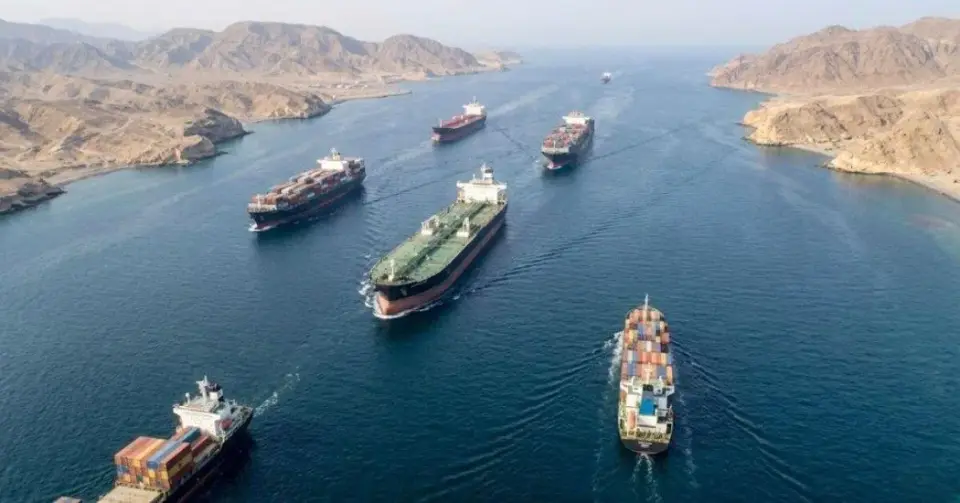
Hormuz Shipping Traffic Dwindles as Middle East Attacks Intensify
17 Sept 2026
Middle East
Iran Claims Ship Carrying 2,500 Containers Sank After Mine Strike
15 Oct 2026

Middle East
Trump Rejects Iran’s Strait of Hormuz Proposal as Gulf Tensions Persist
26 Sept 2026

Middle East
Hormuz Standoff Escalates as Iran and US Exchange Military, Economic Strikes
9 Sept 2026
Middle East
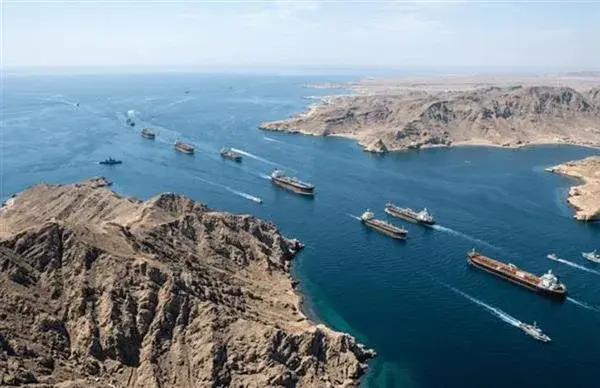
US and IRGC Trade Fire as Oil Tankers Come Under Attack in Hormuz
6 Sept 2026
Partner with Follow Global Trends
Display banners, sponsored stories and founder spotlights.
You may also like
Middle East
Yemen Forces Push Houthis Back, Claim Control of Vital Bab el-Mandeb Strait
6 Oct 2026
Middle East
Iran Says There Is No Military Solution to Middle East War
5 Oct 2026

Middle East
Emergency Alerts Sound Across Riyadh After Reported Explosions
20 Sept 2026
Middle East
Saudi Aramco’s Jizan Oil Facilities Hit in Fresh Attacks
8 Sept 2026

Middle East
Iran Calls on World Leaders to Stop US Military Strikes After Fresh Attacks
5 Sept 2026
Middle East
Saudi Arabia on Alert After Second Riyadh Airport Attack in Two Days
12 Oct 2026