
Hormuz Shipping Traffic Dwindles as Middle East Attacks Intensify
Commercial vessel movements through the Strait of Hormuz have slowed sharply as escalating regional attacks heighten security fears across one of the world’s busiest maritime corridors.
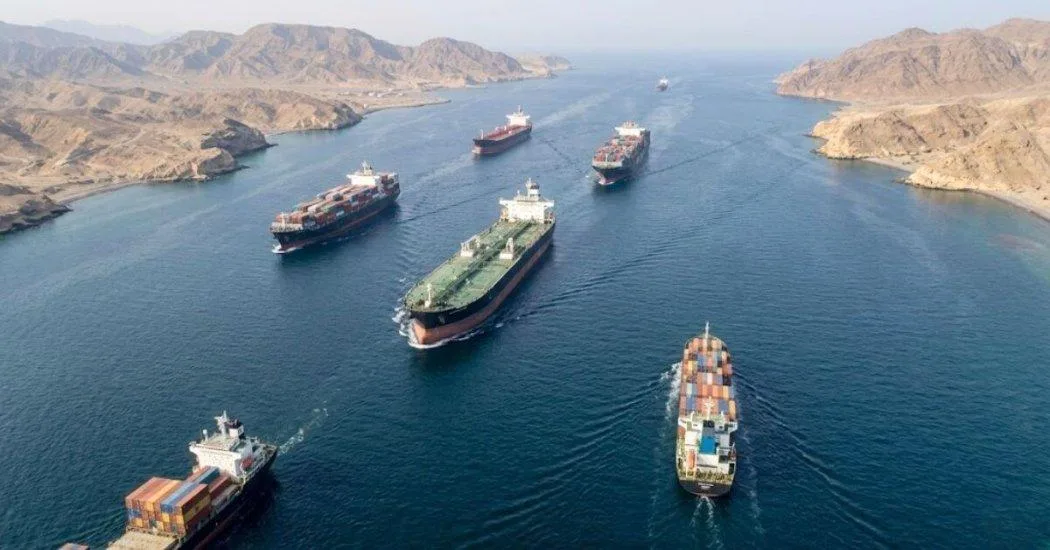
The number of commercial ships transiting the Strait of Hormuz has fallen noticeably as renewed military attacks across the Middle East prompt shipping companies to delay voyages, reroute vessels and tighten security measures through the strategically vital waterway. The slowdown has raised fresh concerns over global energy supplies and the stability of international trade.
The latest disruption follows an escalation of regional hostilities involving missile and drone attacks that have increased the perceived risk to merchant shipping in and around the Persian Gulf. While the strait remains open to navigation, maritime operators say heightened security alerts and uncertainty have made many shipowners more cautious about scheduling transits through the narrow passage.
The 33-kilometre-wide Strait of Hormuz connects the Persian Gulf to the Gulf of Oman and the Arabian Sea, serving as one of the world’s most important chokepoints for oil and liquefied natural gas exports. A significant share of globally traded crude passes through the waterway each day, making any disruption a concern for energy-importing economies across Asia, Europe and beyond.
Industry analysts say the decline in traffic reflects precautionary decisions rather than a formal closure of the route. Several shipping firms have reportedly instructed captains to wait for military escorts where available, adjust sailing schedules or temporarily anchor outside higher-risk zones until security conditions become clearer.
The tightening security environment is already influencing freight markets. Marine insurers have increased war-risk premiums for vessels operating in the region, while charter rates for some tanker routes have edged higher as operators factor additional costs and longer waiting times into voyage planning. Although global oil supplies have not been interrupted, traders continue to monitor the corridor closely for signs of prolonged disruption.
Regional governments have meanwhile reiterated their commitment to keeping international shipping lanes open. Naval forces from multiple countries continue to patrol the Gulf, and maritime security agencies have urged commercial vessels to maintain close communication, report suspicious activity and follow updated navigation guidance as tensions evolve.
The Strait of Hormuz has experienced repeated periods of instability over the past decade, often becoming a focal point during geopolitical confrontations involving Gulf states, Iran and international powers. Previous incidents involving tanker seizures, drone attacks and maritime sabotage have demonstrated how quickly regional conflict can ripple through global supply chains and energy markets.
While commercial navigation continues, the recent decline in shipping traffic underscores the fragility of one of the world’s most critical trade arteries. As military tensions intensify, the resilience of maritime security, and the confidence of global shipping operators, will remain essential to protecting the uninterrupted flow of energy and commerce across the Middle East.
More on Middle East

Middle East
BRICS Calls for Maximum Restraint as Middle East Tensions Escalate
13 Sept 2026

Middle East
Middle East Tensions Push Crude to $105, Borrowing Costs Climb Worldwide
10 Sept 2026

Middle East
Trump Rejects Iran’s Strait of Hormuz Proposal as Gulf Tensions Persist
26 Sept 2026
Middle East
Hormuz Standoff Escalates as Iran and US Exchange Military, Economic Strikes
9 Sept 2026
Middle East
US and IRGC Trade Fire as Oil Tankers Come Under Attack in Hormuz
6 Sept 2026
You may also like
Middle East
Iran Calls on World Leaders to Stop US Military Strikes After Fresh Attacks
5 Sept 2026
Middle East
Iran Says There Is No Military Solution to Middle East War
5 Oct 2026

Middle East
Middle East Tourism Spending to Jump 57% by 2030, ATM Report Finds
17 Sept 2026
Middle East
UAE President, Trump Discuss Middle East Crisis in Phone Call.
3 Sept 2026
Middle East
Saudi Arabia on Alert After Second Riyadh Airport Attack in Two Days
12 Oct 2026

Middle East
US Mission in UAE Warns Americans of Possible Travel Disruptions Amid Rising Middle East Tensions
20 Sept 2026