
Middle East Tourism Spending to Jump 57% by 2030, ATM Report Finds
New research unveiled at Arabian Travel Market projects the Middle East will add US$116 billion in international visitor spending by the end of the decade.

International tourism in the Middle East is on course for another decade of rapid expansion, with visitor spending expected to rise by 57% between 2025 and 2030, according to the newly released ATM Travel Trends Report 2026 presented at Arabian Travel Market (ATM) in Dubai.
Produced by ATM in partnership with Tourism Economics, an Oxford Economics company, the report forecasts that international visitor expenditure across the region will increase by US$116 billion, reaching US$408 billion by 2030. The findings were presented by Dave Goodger, Managing Director for EMEA at Tourism Economics, during a keynote session examining the Middle East’s growing influence on global travel.
A region outpacing the world
The report says the Middle East, North Africa and South Asia (MENASA) region has become one of the world’s fastest-growing tourism markets. In 2025, travel volumes across MENASA were nearly 50% higher than 2019 levels, around three times the pace of global growth, while the region accounted for more than half of the worldwide increase in international travel over the same period.
Globally, tourism also reached new milestones in 2025. International arrivals exceeded 1.5 billion for the first time, visitor nights climbed to 24 billion, and in-destination spending rose to US$7.2 trillion, underscoring the sector’s continued recovery and expansion.
While geopolitical uncertainty is expected to weigh on Middle East travel during 2026, the report predicts a strong rebound in 2027. International travel across MENASA is forecast to grow by 17%, more than double the projected 8% global growth rate.
Researchers also noted that the tourism industry has become more resilient, with recovery periods following major disruptions shortening from around 24 months in the early 2000s to approximately 10–12 months in recent years.
By 2030, MENASA is expected to welcome 316 million international arrivals and generate 2.3 billion visitor nights, representing increases of 36% and 46%, respectively, compared with 2025.
China and long-haul markets drive the next wave
One of the report’s strongest growth signals comes from long-haul travel, particularly from Asia. Leisure nights by Chinese visitors to the Middle East are forecast to increase by 160% by 2030, reflecting renewed outbound travel demand and stronger air connectivity between the Gulf and East Asia.
Industry analysts believe the region’s position as both a global destination and an aviation hub connecting Asia, Europe and Africa will continue to strengthen its competitive advantage.
AI reshapes the traveller journey
Technology is also emerging as a defining force behind tourism growth. The report found that 91% of Middle East travel businesses are already piloting or operating artificial intelligence within their organizations, while 85% report measurable cost savings from AI adoption.
On the consumer side, travellers considering the Middle East are more than twice as likely to have used an AI chatbot to plan their trips, highlighting the growing role of intelligent digital tools in travel discovery, booking and customer service.
Speaking during a panel discussion following the report’s presentation, Eddy Tannous, Chief Operating Officer of Rotana Hotel Management Corporation, said the region still has significant room for expansion despite years of rapid hotel development. Rather than comparing today’s market with previous decades, he argued that the Middle East should benchmark itself against the world’s leading global cities.
Meanwhile, Tarik Fadil, Vice President of Supply at Agoda, said localization and AI-powered customer experiences will be essential as destinations compete for increasingly diverse international travellers.
Held under the theme “Travel 2040: Driving New Frontiers Through Innovation and Technology,” Arabian Travel Market 2026 concludes today at the Dubai World Trade Centre. The report’s outlook reinforces a broader industry message: the Middle East is no longer simply recovering from past disruptions, it is positioning itself as one of the world’s most influential engines of future tourism growth.
More on Middle East
Middle East
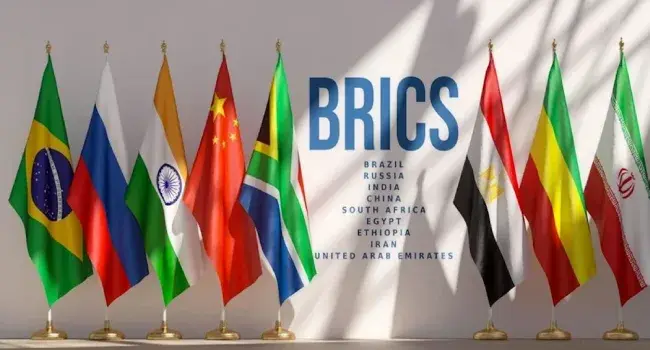
BRICS Calls for Maximum Restraint as Middle East Tensions Escalate
13 Sept 2026

Middle East
Middle East Tensions Push Crude to $105, Borrowing Costs Climb Worldwide
10 Sept 2026

Middle East
UAE President, Trump Discuss Middle East Crisis in Phone Call.
3 Sept 2026

Middle East
US Mission in UAE Warns Americans of Possible Travel Disruptions Amid Rising Middle East Tensions
20 Sept 2026

Middle East
Iran Says There Is No Military Solution to Middle East War
5 Oct 2026
You may also like
Middle East
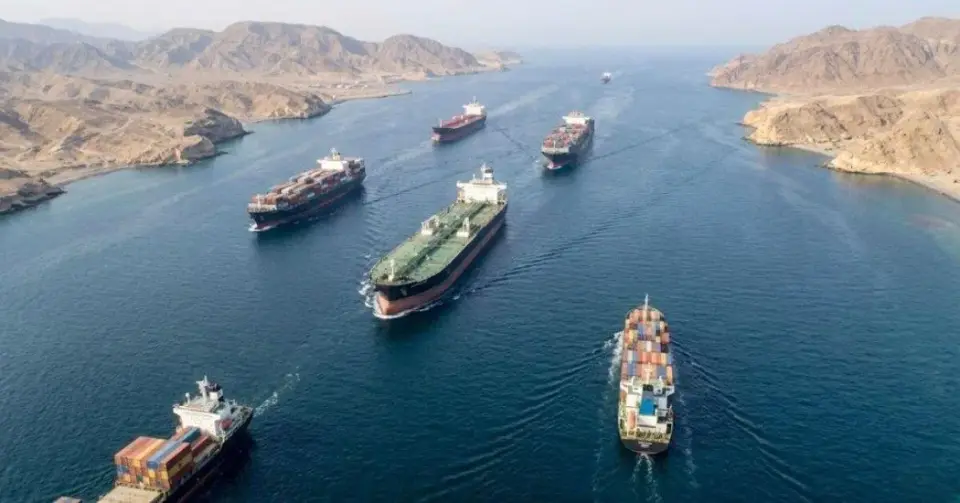
Hormuz Shipping Traffic Dwindles as Middle East Attacks Intensify
17 Sept 2026
Middle East
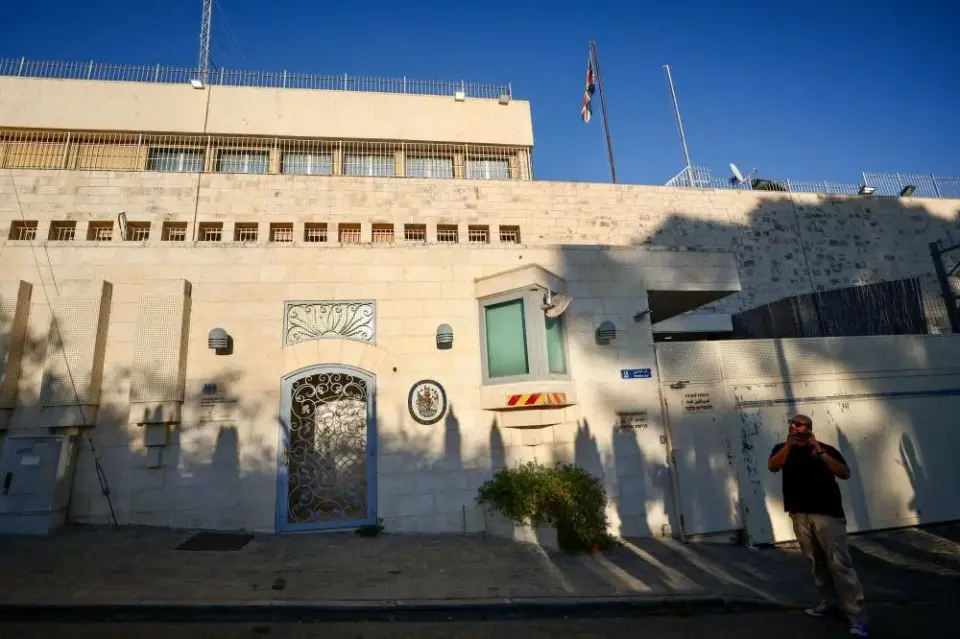
Israel Orders British Consulate in East Jerusalem to Close Within 30 Days
9 Sept 2026
Middle East
Houthis Report Deadly Saudi Airstrikes as Kingdom Issues Mass Alerts
15 Sept 2026
Middle East
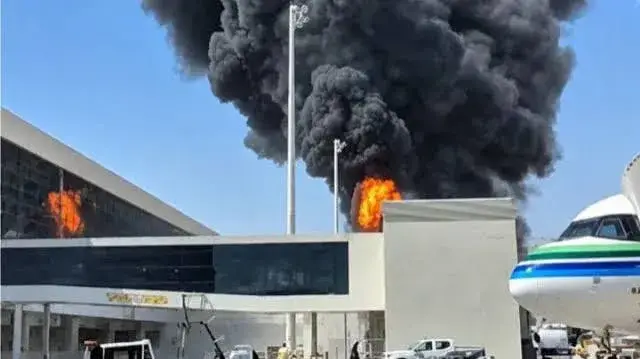
Saudi Arabia on Alert After Second Riyadh Airport Attack in Two Days
12 Oct 2026
Middle East
Israel Falls Silent Three Years After October 7 as Election Nears
7 Oct 2026
Middle East
Yemen Forces Push Houthis Back, Claim Control of Vital Bab el-Mandeb Strait
6 Oct 2026