
Israel Orders British Consulate in East Jerusalem to Close Within 30 Days
Israel has ordered the British Consulate in East Jerusalem to close within 30 days, escalating diplomatic tensions with the UK over the status of the occupied Palestinian territory.
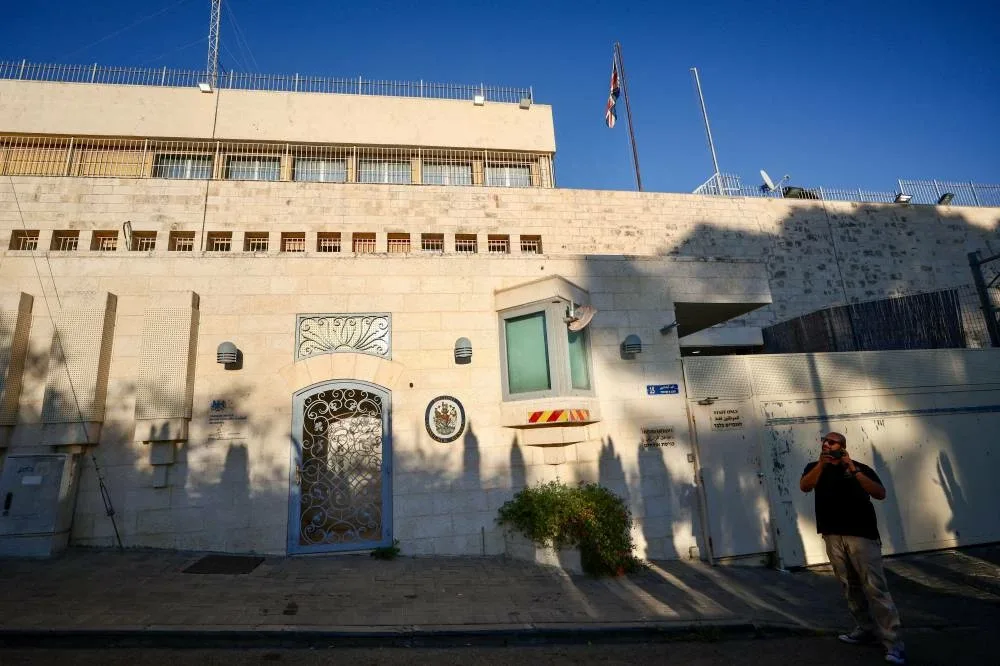
Israel has instructed the British Consulate in East Jerusalem to cease operations within 30 days, according to multiple diplomatic sources, in a move that marks a significant deterioration in relations between London and the Israeli government over the occupied West Bank and the future of East Jerusalem.
The directive comes as diplomatic friction has intensified following Britain’s decision, alongside France and Canada, to pursue coordinated sanctions against individuals and entities linked to Israeli settlements in the occupied West Bank. Israeli officials have strongly opposed the sanctions, arguing they unfairly target Israeli citizens and undermine ongoing security challenges, while the UK has maintained that the measures are aimed at addressing settler violence and activities it considers contrary to international law.
The British Consulate in East Jerusalem occupies a unique diplomatic position. Unlike the UK Embassy in Tel Aviv, which manages relations with the State of Israel, the consulate has historically served as Britain’s diplomatic mission to the Palestinians, handling political engagement, development programmes and consular affairs in East Jerusalem, the West Bank and Gaza. Its status reflects Britain’s long-standing policy of distinguishing between Israel and the occupied Palestinian territories.
Neither the Israeli Foreign Ministry nor the British government had publicly confirmed the closure order in full detail at the time of reporting. However, diplomatic sources familiar with the matter said Israeli authorities had formally communicated the decision and set a 30-day deadline for the mission to end its operations.
The development adds another layer of strain to an already tense relationship. In recent months, Britain has become increasingly vocal in its criticism of settlement expansion and rising violence in the West Bank, while continuing to affirm Israel’s right to security. Israel, meanwhile, has accused several Western governments of adopting policies that embolden international pressure without adequately addressing attacks against Israeli civilians.
East Jerusalem remains one of the most disputed territories in the Israeli-Palestinian conflict. Israel captured the eastern part of the city during the 1967 Middle East war and later annexed it, a move not recognized by most of the international community, which largely considers East Jerusalem occupied territory and envisions it as the future capital of a Palestinian state under a negotiated two-state solution.
Diplomatic observers say the closure order is likely to complicate Britain’s engagement with Palestinian institutions and humanitarian operations at a time when regional tensions remain high. Any relocation or restructuring of the consulate’s responsibilities would also carry symbolic weight, given the mission’s historic role in British policy toward the Israeli-Palestinian conflict.
Beyond its immediate diplomatic impact, the dispute underscores a widening gap between Israel and some of its closest Western partners. As governments increasingly differentiate between support for Israel’s security and opposition to settlement policies, the fate of the British Consulate in East Jerusalem has become more than a bilateral disagreement—it is now another test of how diplomacy, international law and competing claims over Jerusalem will shape the next phase of the Middle East conflict.
More on Middle East
Middle East
Israel to Revoke Diplomatic Status of Dutch Officials in West Bank
28 Sept 2026

Middle East
Middle East Tensions Push Crude to $105, Borrowing Costs Climb Worldwide
10 Sept 2026
Middle East
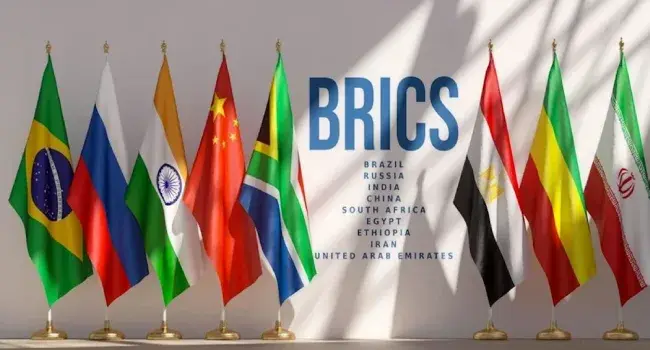
BRICS Calls for Maximum Restraint as Middle East Tensions Escalate
13 Sept 2026
Middle East
Iran Says There Is No Military Solution to Middle East War
5 Oct 2026
Middle East
Trump Rejects Iran’s Strait of Hormuz Proposal as Gulf Tensions Persist
26 Sept 2026
You may also like
Middle East
US and Iran Hold First Talks Since June After Trump’s “Annihilate” Threat
24 Sept 2026
Middle East
US Mission in UAE Warns Americans of Possible Travel Disruptions Amid Rising Middle East Tensions
20 Sept 2026

Middle East
Middle East Tourism Spending to Jump 57% by 2030, ATM Report Finds
17 Sept 2026
Middle East
Hormuz Shipping Traffic Dwindles as Middle East Attacks Intensify
17 Sept 2026
Middle East
Houthis Report Deadly Saudi Airstrikes as Kingdom Issues Mass Alerts
15 Sept 2026
Middle East
UAE President, Trump Discuss Middle East Crisis in Phone Call.
3 Sept 2026