
Middle East Tensions Push Crude to $105, Borrowing Costs Climb Worldwide
Brent crude has surged above $105 per barrel as escalating Middle East tensions rattle global energy markets, triggering a sharp rise in government bond yields and reigniting fears of a new wave of inflation.

Global financial markets came under renewed pressure on Thursday after international oil prices climbed above $105 per barrel, sending government bond yields to multi-year highs and deepening investor concerns that the Middle East conflict could unleash another inflation shock across the global economy.
Brent crude, the international benchmark, rose more than four percent to around $105.30 a barrel, while U.S. crude also advanced sharply as traders priced in growing risks to oil supply routes linked to the Strait of Hormuz. The latest rally has pushed oil to its highest level since 2022 and intensified worries over the cost of energy, transport and industrial production worldwide.
The surge in oil prices quickly spilled into global bond markets, where investors demanded higher yields to compensate for the prospect of prolonged inflation and tighter monetary policy. Yields on government debt climbed across the United States, Britain, Germany and France, with the UK’s 10-year gilt reaching its highest level in nearly two decades, while long-dated British bonds rose to levels last seen before the global financial crisis.
The market turbulence was amplified by the European Central Bank’s decision to raise interest rates to 2.5 percent, citing persistent inflation risks driven largely by rising energy costs. Policymakers warned that while core inflation has shown signs of moderation, the sharp increase in oil prices threatens to keep headline inflation above target for longer than previously anticipated.
Stocks responded negatively as investors reassessed the outlook for global growth. Major equity indices in Europe and the United States fell, with technology shares particularly vulnerable to rising borrowing costs, while investors rotated toward defensive assets amid heightened geopolitical uncertainty.
For oil-importing economies, the implications extend far beyond financial markets. Higher crude prices typically translate into increased fuel costs, more expensive shipping, elevated food prices and renewed pressure on household budgets. Countries heavily dependent on imported petroleum, including many African and Asian economies, are especially exposed to the inflationary effects of sustained high energy prices.
Oil-exporting nations, however, stand to benefit from stronger revenues. Producers such as Nigeria and Gulf states could experience improved fiscal inflows if elevated prices persist, although analysts caution that the broader economic gains may be offset by slower global growth and reduced energy demand if the conflict continues to escalate.
With the Middle East crisis showing few signs of an immediate resolution, investors are increasingly preparing for a prolonged period of market volatility. The simultaneous rise in oil prices and bond yields represents one of the most challenging combinations for policymakers, forcing central banks to balance the fight against inflation with the risk of weakening economic growth. As energy and geopolitics become tightly intertwined once again, the world economy is entering another period where events in the Gulf could shape everything from interest rates to the cost of living across continents.
More on Middle East
Middle East
BRICS Calls for Maximum Restraint as Middle East Tensions Escalate
13 Sept 2026
Middle East
Saudi Arabia Turkey Pakistan Officials Meet Iran Leaders in Tehran
26 Oct 2026

Middle East
Middle East Tourism Spending to Jump 57% by 2030, ATM Report Finds
17 Sept 2026
Middle East
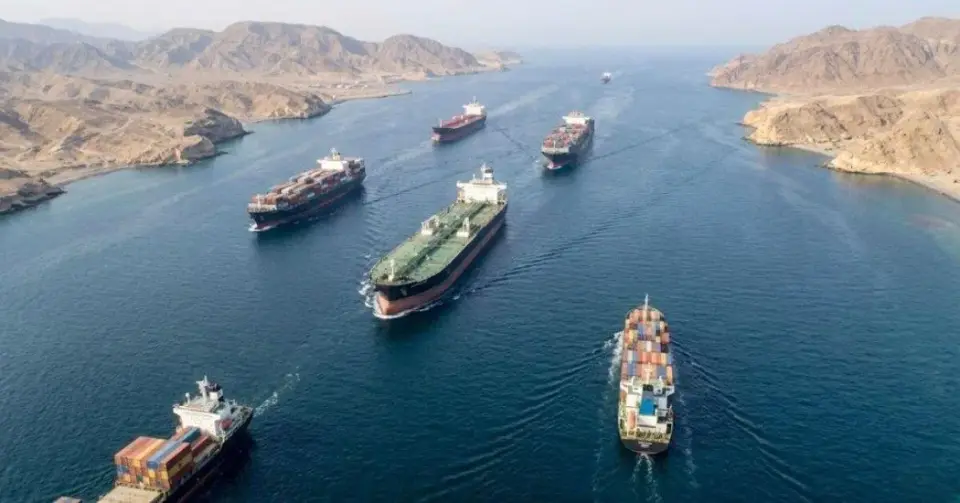
Hormuz Shipping Traffic Dwindles as Middle East Attacks Intensify
17 Sept 2026
Middle East
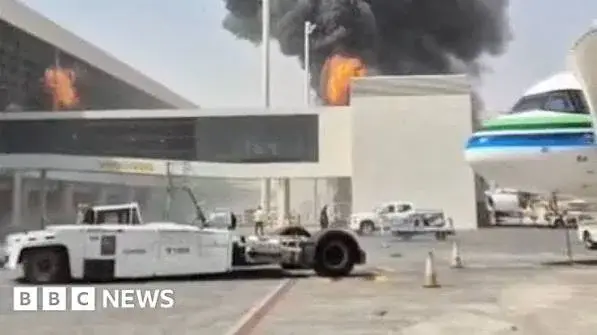
US Orders Diplomats Out of Saudi Arabia as Houthi Attacks Escalate
22 Oct 2026
Partner with Follow Global Trends
Display banners, sponsored stories and founder spotlights.
You may also like

Middle East
Iran Says There Is No Military Solution to Middle East War
5 Oct 2026

Middle East
US Mission in UAE Warns Americans of Possible Travel Disruptions Amid Rising Middle East Tensions
20 Sept 2026
Middle East
Yemen Forces Push Houthis Back, Claim Control of Vital Bab el-Mandeb Strait
6 Oct 2026

Middle East
Trump Rejects Iran’s Strait of Hormuz Proposal as Gulf Tensions Persist
26 Sept 2026
Middle East
Houthis Report Deadly Saudi Airstrikes as Kingdom Issues Mass Alerts
15 Sept 2026
Middle East
Houthis Reportedly Seize Yemen's Strategic Red Sea Port of Mokha
11 Sept 2026