
Houthis Reportedly Seize Yemen's Strategic Red Sea Port of Mokha
The Iran-aligned Houthis have reportedly captured Yemen's strategic Red Sea port of Mokha, raising fresh fears over maritime security, global trade and the future of Yemen's fragile conflict.
Yemen's Iran-backed Houthi movement has reportedly seized control of the strategic Red Sea port city of Mokha, marking one of its most significant territorial gains in years and tightening its grip on one of the world's most critical maritime corridors.
Military sources aligned with Yemen's internationally recognized government said Houthi fighters entered Mokha after pro-government forces withdrew southward to regroup. The city lies just north of the Bab el-Mandeb Strait, the narrow waterway linking the Red Sea to the Gulf of Aden through which a substantial share of global oil shipments and international trade passes.
The Houthis have not publicly disputed reports of the capture, and videos circulating online appeared to show their fighters inside the port city. However, battlefield claims remain difficult to verify independently as fighting continues across Yemen's western coastline.
Government military officials described the withdrawal as a tactical repositioning rather than a defeat, saying forces have established new defensive positions around Dhubab and nearby coastal areas to prevent further Houthi advances toward the Bab el-Mandeb chokepoint.
The latest offensive comes amid a broader escalation of regional tensions involving Iran and its allies. Yemeni, regional and Iranian sources cited by Reuters allege that Iran's Revolutionary Guards provided weapons, funding and tactical guidance to support the Houthi advance, although Tehran has consistently denied directing the group's military operations. Those claims have not been independently verified.
Mokha's importance extends far beyond Yemen. The historic port overlooks one of the busiest shipping lanes in the world, and any disruption around the Bab el-Mandeb Strait could affect commercial vessels travelling between Europe and Asia through the Suez Canal. Energy markets have already reacted nervously, with heightened concerns over oil supplies contributing to sharp increases in crude prices this week.
Yemen has remained divided since civil war erupted more than a decade ago, with the Houthis controlling the capital, Sanaa, and much of the country's north, while the internationally recognized government operates from Aden with support from regional allies. A fragile reduction in hostilities since 2022 had offered hope of a political settlement, but the renewed fighting threatens to reverse those gains.
The reported fall of Mokha is more than a battlefield victory, it is a strategic development with global implications. As conflict increasingly intersects with vital maritime trade routes, the struggle for control of Yemen's Red Sea coast is becoming a defining front in the wider contest over regional security, energy supplies and international commerce.
More on Middle East
Middle East
Yemen Forces Push Houthis Back, Claim Control of Vital Bab el-Mandeb Strait
6 Oct 2026
Middle East
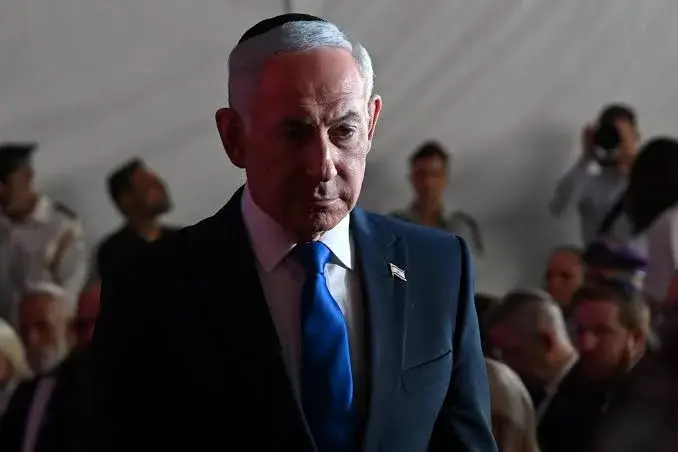
Netanyahu Pushed for Iran Attack Ahead of Election
26 Oct 2026
Middle East
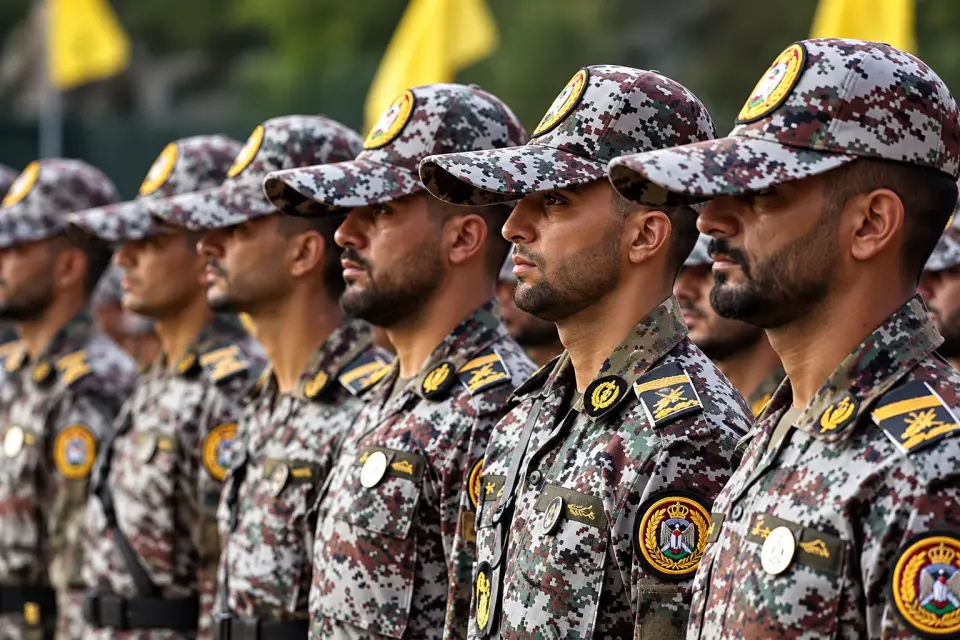
Iran Says There Is No Military Solution to Middle East War
5 Oct 2026
Middle East
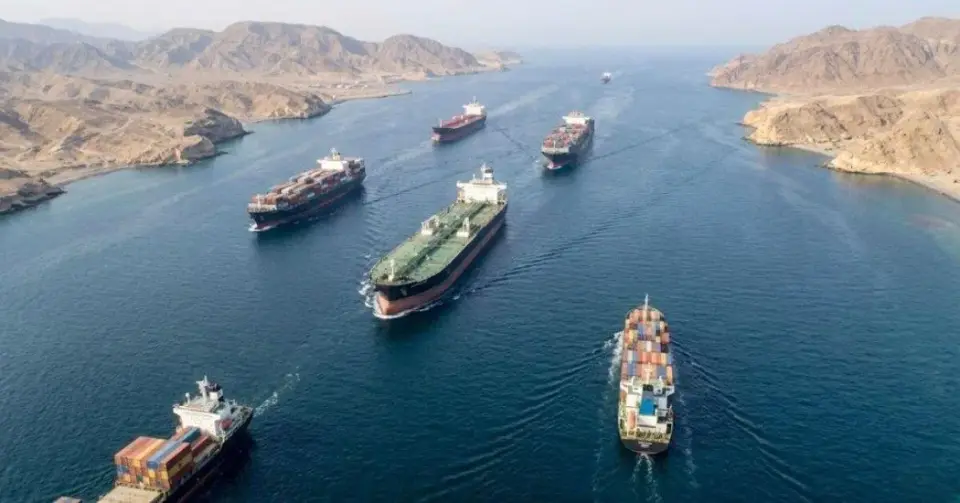
Hormuz Shipping Traffic Dwindles as Middle East Attacks Intensify
17 Sept 2026
Middle East
Houthis Report Deadly Saudi Airstrikes as Kingdom Issues Mass Alerts
15 Sept 2026
Partner with Follow Global Trends
Display banners, sponsored stories and founder spotlights.
You may also like
Middle East
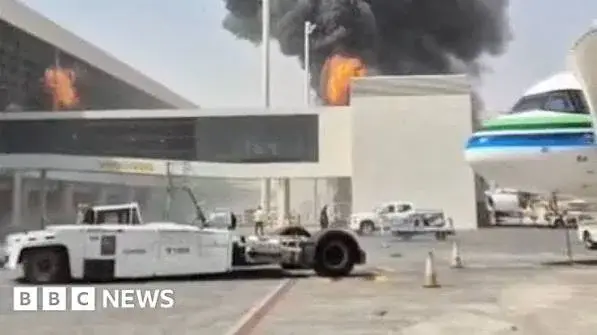
Saudi Oil Pipeline Shut Down After Attack Triggers Fires
12 Sept 2026
Middle East
US Orders Diplomats Out of Saudi Arabia as Houthi Attacks Escalate
22 Oct 2026
Middle East
Saudi Arabia Postpones ‘Davos in the Desert’ After Deadly Attacks
20 Oct 2026
Middle East
Iran Claims Ship Carrying 2,500 Containers Sank After Mine Strike
15 Oct 2026
Middle East
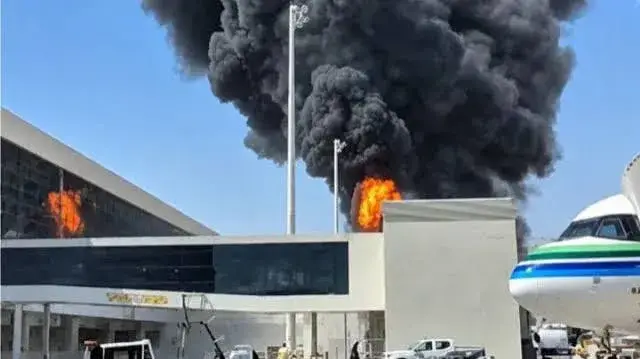
Saudi Arabia on Alert After Second Riyadh Airport Attack in Two Days
12 Oct 2026
Middle East
Trump Denies Iran Sanctions Offer as Reports Point to Possible Nuclear Deal
29 Sept 2026