
Saudi Oil Pipeline Shut Down After Attack Triggers Fires
Saudi Arabia has shut down part of a major oil pipeline after an attack triggered fires, raising fresh concerns over energy security and regional stability.
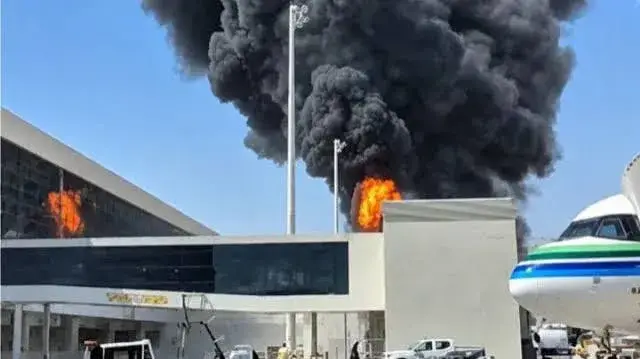
Saudi Arabia has suspended operations on a key oil pipeline after an attack sparked multiple fires along the route, in an escalation that has heightened tensions across the Gulf and renewed concerns about the vulnerability of critical energy infrastructure.
Saudi authorities said emergency response teams were deployed immediately to contain the fires and secure the affected section of the pipeline. While officials confirmed the temporary shutdown, they said efforts were underway to assess the damage and restore operations as quickly as possible.
The attack comes amid a wider deterioration in regional security, with Yemen’s Iran-aligned Houthi movement intensifying military operations across the Red Sea theatre. Although the Houthis have been linked to a series of attacks on energy and maritime targets in recent years, responsibility for the latest pipeline strike has been reported within the context of the broader conflict, while claims surrounding Iranian support remain allegations cited by regional and security sources rather than independently verified facts.
The affected pipeline forms part of Saudi Arabia’s strategic energy network, allowing crude oil to be transported across the kingdom and reducing dependence on vulnerable maritime routes. Any disruption to its operations has implications not only for domestic logistics but also for global oil markets, where traders closely monitor infrastructure risks in the Middle East.
Energy analysts note that Saudi Arabia has invested heavily in building resilient export systems, including pipelines, storage facilities and alternative transport corridors designed to maintain supplies during periods of regional instability. Even so, attacks on critical infrastructure tend to amplify market uncertainty, particularly when they coincide with tensions around the Bab el-Mandeb Strait and the Red Sea shipping corridor.
The latest incident follows weeks of escalating conflict involving Houthi forces, regional militaries and strategic coastal positions in Yemen, reinforcing fears that the conflict is increasingly spilling beyond traditional battlefields into infrastructure vital to international commerce and energy security.
While the full extent of the damage remains under assessment, the shutdown underscores how quickly regional conflict can reverberate through global supply chains. As governments and markets watch developments closely, protecting energy infrastructure is once again emerging as a central challenge in one of the world’s most strategically important regions.
More on Middle East
Middle East
Saudi Arabia on Alert After Second Riyadh Airport Attack in Two Days
12 Oct 2026

Middle East
US Orders Diplomats Out of Saudi Arabia as Houthi Attacks Escalate
22 Oct 2026
Middle East
Saudi Arabia Postpones ‘Davos in the Desert’ After Deadly Attacks
20 Oct 2026

Middle East
Britain Approves Typhoon Missions to Defend Saudi Arabia From Houthi Attacks
20 Oct 2026

Middle East
Saudi Arabia Executes Two Bangladeshis; Consulate Says It Was Not Notified
20 Oct 2026
Partner with Follow Global Trends
Display banners, sponsored stories and founder spotlights.
You may also like
Middle East
Saudi Arabia Turkey Pakistan Officials Meet Iran Leaders in Tehran
26 Oct 2026
Middle East
Houthis Report Deadly Saudi Airstrikes as Kingdom Issues Mass Alerts
15 Sept 2026
Middle East
Houthis Reportedly Seize Yemen's Strategic Red Sea Port of Mokha
11 Sept 2026

Middle East
Netanyahu Pushed for Iran Attack Ahead of Election
26 Oct 2026

Middle East
Hormuz Shipping Traffic Dwindles as Middle East Attacks Intensify
17 Sept 2026

Middle East
BRICS Calls for Maximum Restraint as Middle East Tensions Escalate
13 Sept 2026