BRICS Calls for Maximum Restraint as Middle East Tensions Escalate
BRICS leaders have called for maximum restraint in the Middle East, warning that escalating violence threatens regional stability, global trade and international peace.
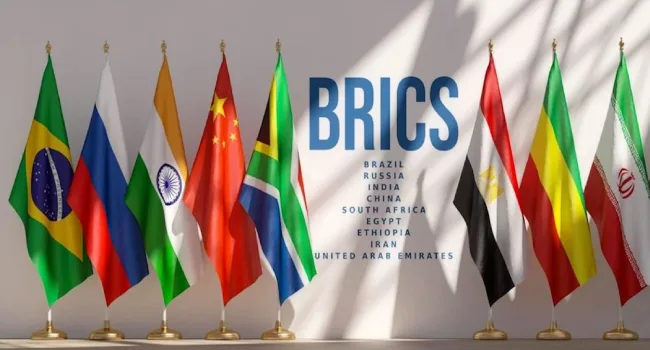
Leaders of the BRICS bloc have issued a strong appeal for “maximum restraint” in the Middle East, urging all parties to avoid actions that could further deepen one of the world’s most volatile geopolitical crises.
The call came during the 18th BRICS Summit in New Delhi, where member states and partner countries adopted a joint position expressing concern over the rapidly deteriorating security situation across the region. The bloc warned that continued military escalation risks widening the conflict beyond its current theatres and could have severe humanitarian and economic consequences.
In their discussions, leaders emphasized the importance of dialogue, diplomacy and respect for international law, insisting that disputes should be resolved through peaceful negotiations rather than military confrontation. While BRICS members hold differing foreign policy positions on several regional conflicts, the summit produced a unified message urging restraint and de-escalation.
The appeal comes as tensions continue to rise around the Red Sea and Bab el-Mandeb Strait, where attacks linked to Yemen’s Houthi movement have intensified concerns over maritime security. Recent strikes on strategic infrastructure, including Saudi energy facilities and key shipping routes, have heightened fears of disruptions to global oil supplies and international commerce.
Beyond the immediate security implications, BRICS leaders highlighted the broader economic risks posed by instability in the Middle East. The region remains central to global energy production and one of the world’s busiest trade corridors, meaning prolonged conflict could trigger higher energy prices, supply chain disruptions and increased inflation across both developed and emerging economies.
The summit also reinforced BRICS’ growing ambition to play a more active role in global governance. With the expanded grouping representing a significant share of the world’s population and economic output, member states argued that emerging economies should have a stronger voice in resolving international crises through multilateral institutions.
For countries such as Nigeria, India, Brazil and South Africa, the emphasis on restraint reflects a broader preference for diplomacy over military escalation. Many participants stressed that sustainable peace in the Middle East is essential not only for regional stability but also for protecting global development and trade.
As geopolitical tensions continue to reshape international relations, BRICS’ collective appeal underscores the growing influence of the Global South in debates over peace and security. Whether the call translates into meaningful diplomatic progress will depend on the willingness of rival actors to choose negotiation over confrontation.
More on Middle East

Middle East
Middle East Tensions Push Crude to $105, Borrowing Costs Climb Worldwide
10 Sept 2026
Middle East
Saudi Arabia Turkey Pakistan Officials Meet Iran Leaders in Tehran
26 Oct 2026

Middle East
Middle East Tourism Spending to Jump 57% by 2030, ATM Report Finds
17 Sept 2026
Middle East
Iran Says There Is No Military Solution to Middle East War
5 Oct 2026

Middle East
US Mission in UAE Warns Americans of Possible Travel Disruptions Amid Rising Middle East Tensions
20 Sept 2026
Partner with Follow Global Trends
Display banners, sponsored stories and founder spotlights.
You may also like
Middle East
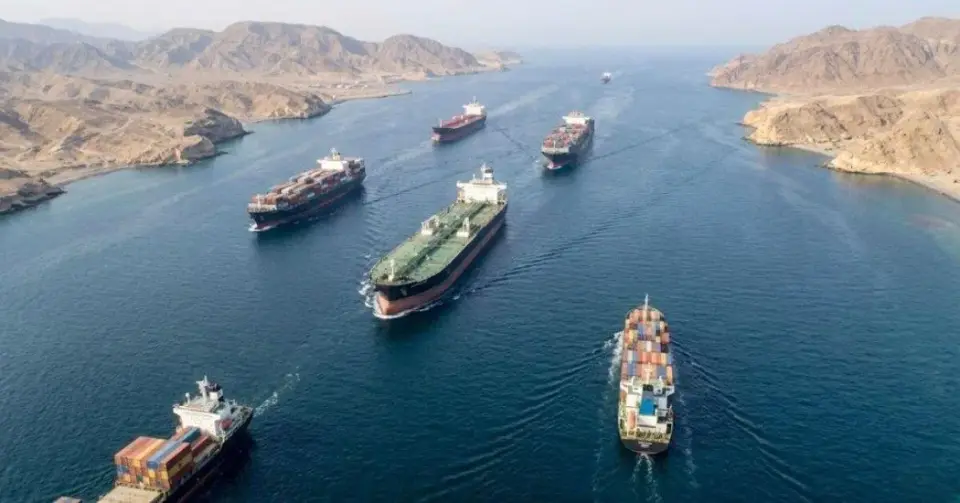
Hormuz Shipping Traffic Dwindles as Middle East Attacks Intensify
17 Sept 2026
Middle East
US Orders Diplomats Out of Saudi Arabia as Houthi Attacks Escalate
22 Oct 2026

Middle East
Trump Rejects Iran’s Strait of Hormuz Proposal as Gulf Tensions Persist
26 Sept 2026
Middle East
Houthis Report Deadly Saudi Airstrikes as Kingdom Issues Mass Alerts
15 Sept 2026
Middle East
Saudi Arabia on Alert After Second Riyadh Airport Attack in Two Days
12 Oct 2026
Middle East
Saudi Oil Pipeline Shut Down After Attack Triggers Fires
12 Sept 2026