
UAE President, Trump Discuss Middle East Crisis in Phone Call.
UAE President Sheikh Mohamed bin Zayed Al Nahyan and U.S. President Donald Trump discussed bilateral cooperation and the worsening Middle East crisis during a phone call.
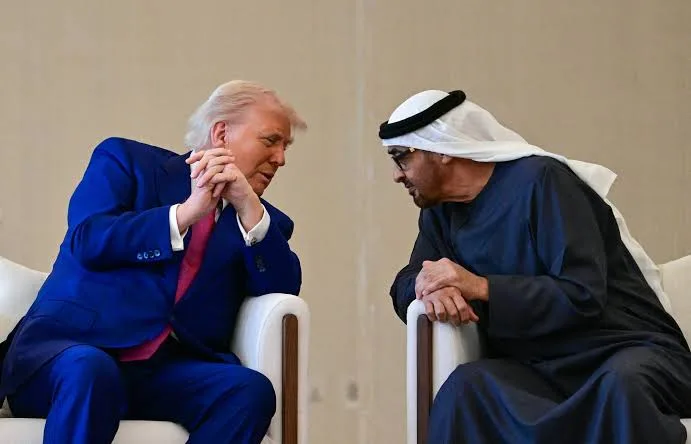
United Arab Emirates President Sheikh Mohamed bin Zayed Al Nahyan has received a phone call from U.S. President Donald Trump, with both leaders discussing ways to deepen strategic cooperation and exchanging views on the rapidly evolving situation across the Middle East.
According to the UAE’s state news agency, the conversation focused on strengthening relations between Abu Dhabi and Washington in support of their shared interests, while also addressing regional developments and ongoing efforts to contain instability in the Gulf.
The call comes at a particularly sensitive moment, as tensions between the United States and Iran have intensified following renewed U.S. military strikes on Iranian targets and retaliatory missile and drone attacks across the Gulf. Regional leaders have been engaged in urgent diplomatic contacts aimed at preventing the conflict from widening further.
Although neither side disclosed specific policy decisions or new agreements arising from the conversation, the discussion underscores the UAE’s growing role as one of Washington’s closest strategic partners in the Middle East. The two countries maintain extensive cooperation in defence, intelligence, trade and emerging technologies, with recent years seeing deeper collaboration on artificial intelligence and regional security.
The UAE has consistently positioned itself as both a security partner and a diplomatic actor in regional crises, balancing close ties with the United States while supporting efforts to reduce tensions through dialogue. That balancing act has become increasingly important as Gulf states seek to shield their economies and critical infrastructure from the spillover effects of escalating conflict.
While the official readout remained brief, the timing of the call highlights the urgency of coordination between key allies as the Middle East faces one of its most volatile periods in recent years. With diplomacy unfolding alongside military escalation, sustained communication between regional and global leaders is likely to remain central to efforts to prevent a broader conflict.
More on Middle East
Middle East
UAE President Pardons Convicted Activist Abdul Rahman Al Qaradawi
5 Sept 2026
Middle East
Trump Rejects Iran’s Strait of Hormuz Proposal as Gulf Tensions Persist
26 Sept 2026
Middle East
US and Iran Hold First Talks Since June After Trump’s “Annihilate” Threat
24 Sept 2026

Middle East
Middle East Tourism Spending to Jump 57% by 2030, ATM Report Finds
17 Sept 2026
Middle East
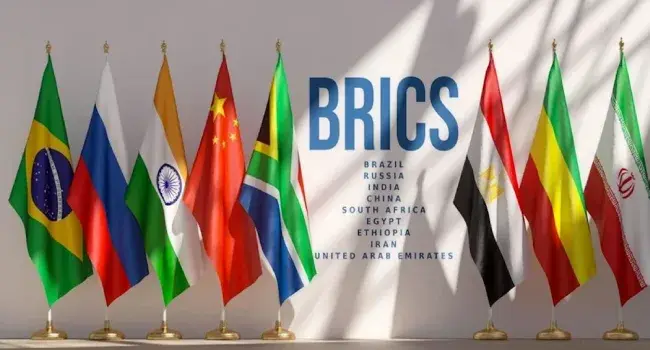
BRICS Calls for Maximum Restraint as Middle East Tensions Escalate
13 Sept 2026
Partner with Follow Global Trends
Display banners, sponsored stories and founder spotlights.
You may also like

Middle East
Middle East Tensions Push Crude to $105, Borrowing Costs Climb Worldwide
10 Sept 2026
Middle East
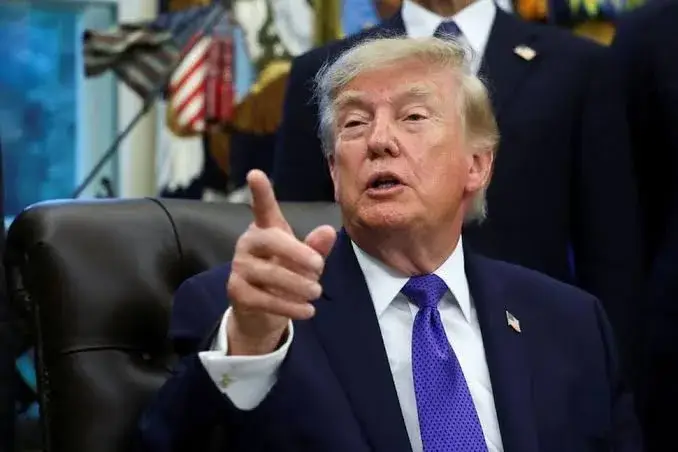
Trump Denies Iran Sanctions Offer as Reports Point to Possible Nuclear Deal
29 Sept 2026
Middle East
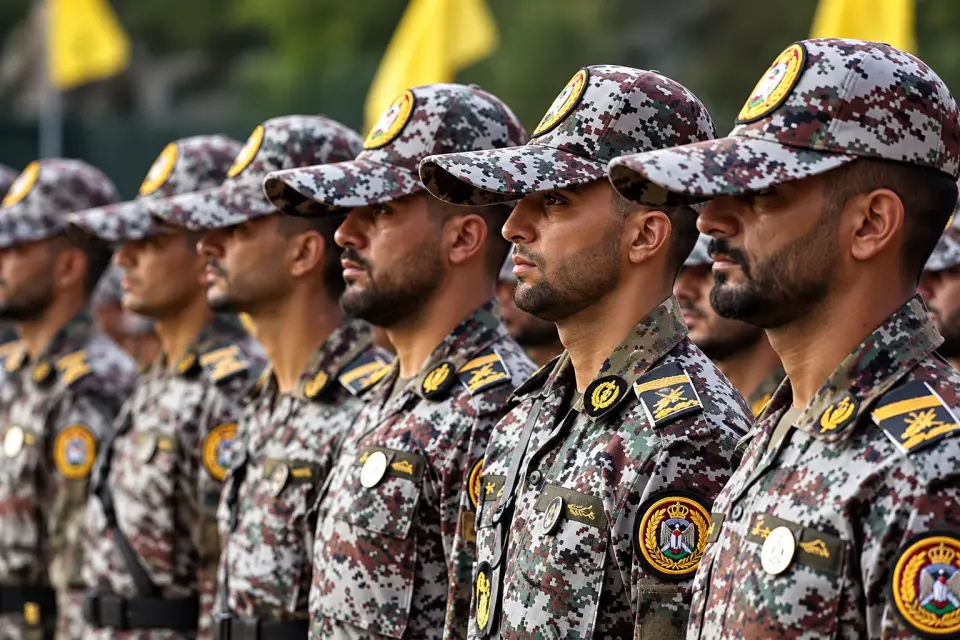
Iran Says There Is No Military Solution to Middle East War
5 Oct 2026
Middle East
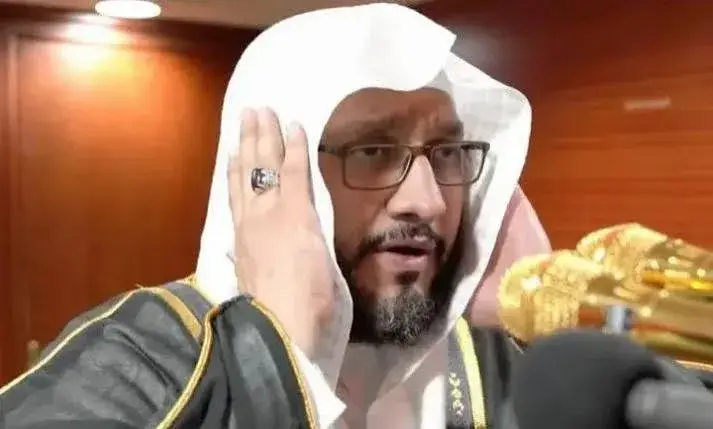
Grand Mosque Mourns Sheikh Ibrahim Al-Madani, Revered Muezzin of Masjid Al-Haram
22 Sept 2026
Middle East
Dubai mourns as Sheikh Ahmed bin Rashid Al Maktoum passes away
21 Sept 2026
Middle East
US Mission in UAE Warns Americans of Possible Travel Disruptions Amid Rising Middle East Tensions
20 Sept 2026