
UAE President Pardons Convicted Activist Abdul Rahman Al Qaradawi
UAE President Sheikh Mohamed bin Zayed Al Nahyan has granted a pardon to Egyptian-Turkish poet and activist Abdul Rahman Yusuf Al Qaradawi, ending his sentence following a high-profile conviction.
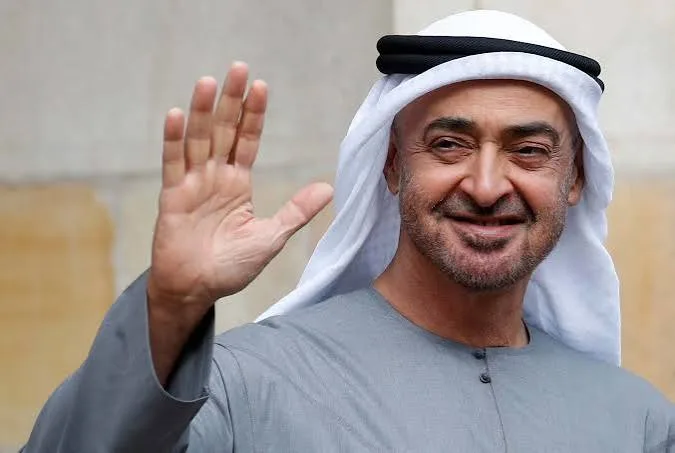
United Arab Emirates President Sheikh Mohamed bin Zayed Al Nahyan has pardoned Egyptian-Turkish poet and activist Abdul Rahman Yusuf Al Qaradawi, bringing an end to his imprisonment after one of the region’s most closely watched political cases.
The presidential pardon follows Al Qaradawi’s conviction on charges linked to online content and statements that Emirati authorities said violated the country’s laws. The UAE maintained that the prosecution was conducted through its judicial system, while rights groups had argued that the case raised concerns about freedom of expression and the treatment of political critics.
Al Qaradawi, the son of the late influential Islamic scholar Yusuf al-Qaradawi, is known across the Arab world for his poetry and political commentary. Holding both Egyptian and Turkish citizenship, he has long been an outspoken voice on regional political issues, making his arrest and subsequent conviction the subject of international attention.
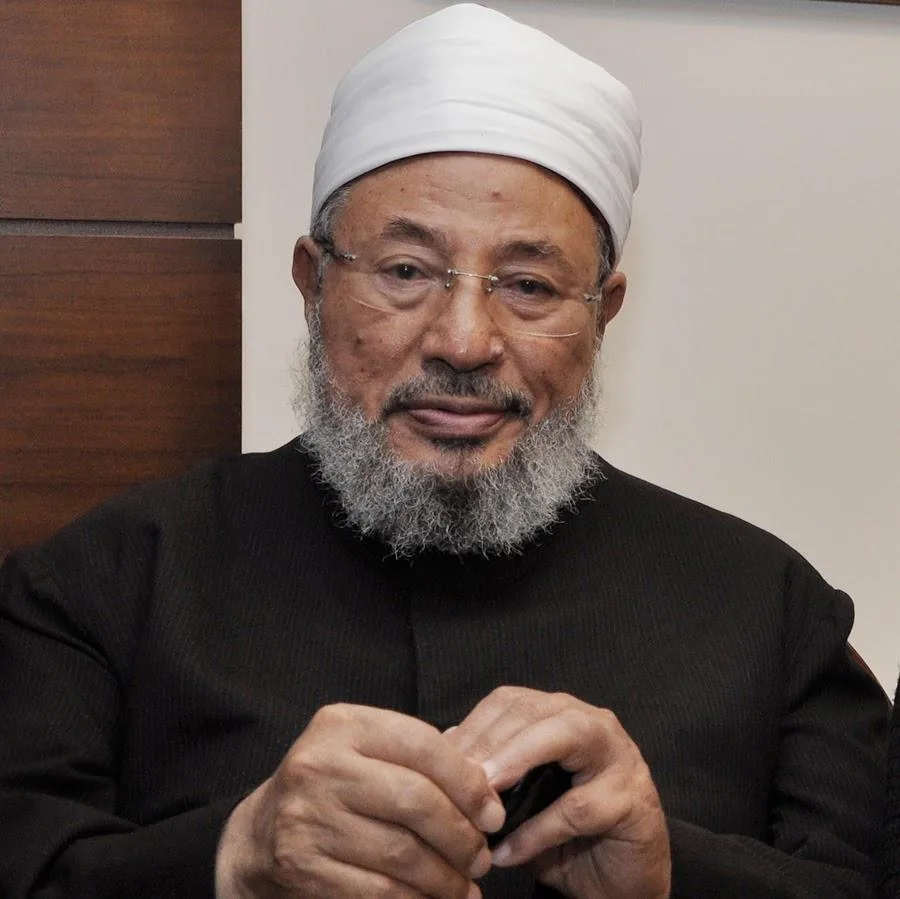
Emirati officials did not indicate that the pardon overturns the conviction itself. Instead, the decision was presented as an act of clemency issued under the president’s constitutional authority, a mechanism periodically used in the UAE to reduce or remit criminal sentences on humanitarian or national occasions.
The case had drawn appeals from human rights organizations and members of Al Qaradawi’s family, who called for his release and questioned the legal proceedings. The UAE, however, consistently defended its position, insisting that its courts had acted in accordance with domestic law and that judicial decisions should be respected.
While the pardon has been welcomed by supporters as a humanitarian gesture, it also highlights the continuing tension between national security legislation and freedom of expression across parts of the Middle East. Analysts say the decision could ease diplomatic pressure surrounding the case, even as broader debates over civil liberties in the region remain unresolved.
The release of Abdul Rahman Yusuf Al Qaradawi underscores the powerful role of executive clemency in the Gulf’s legal systems. Beyond the fate of one individual, it reflects the delicate balance governments continue to navigate between enforcing state security laws and responding to growing international scrutiny over human rights and political dissent.
More on Middle East
Middle East
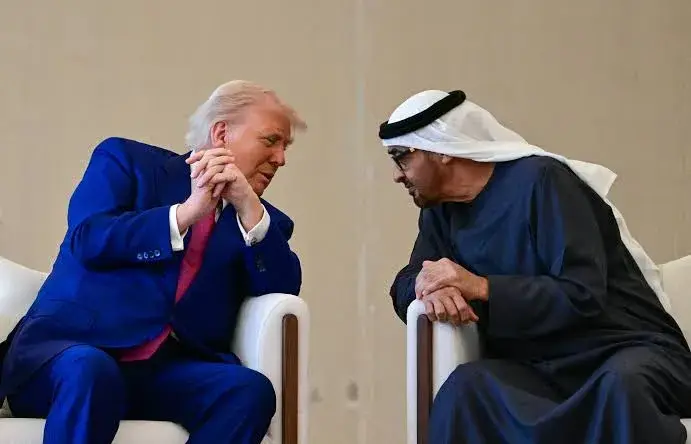
UAE President, Trump Discuss Middle East Crisis in Phone Call.
3 Sept 2026
Middle East
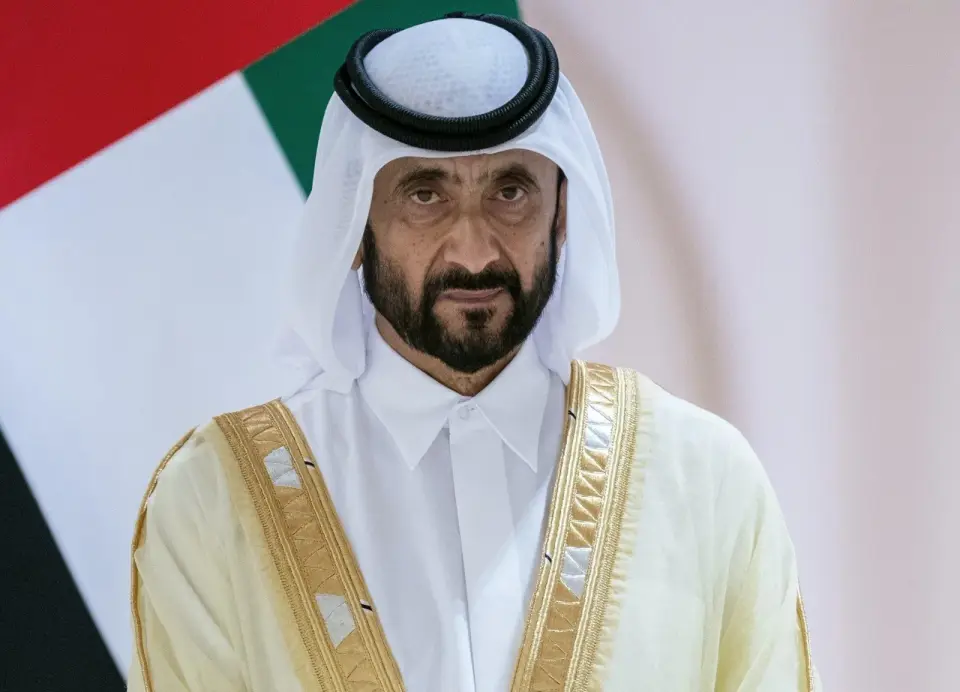
Dubai mourns as Sheikh Ahmed bin Rashid Al Maktoum passes away
21 Sept 2026
Middle East
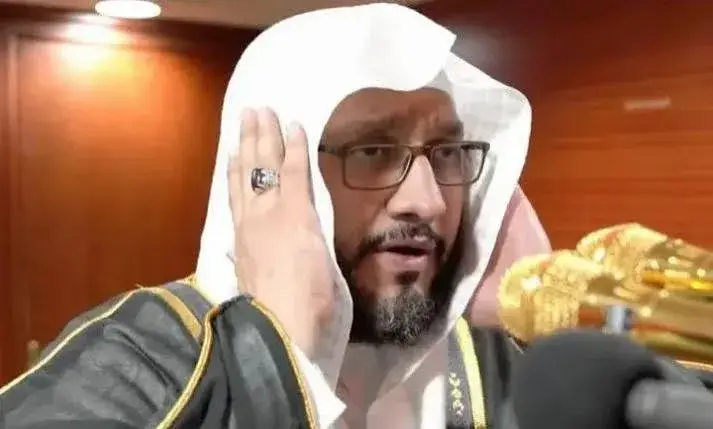
Grand Mosque Mourns Sheikh Ibrahim Al-Madani, Revered Muezzin of Masjid Al-Haram
22 Sept 2026
Middle East
Iran President Admits US Sanctions Are Hurting Economy as Pressure Mounts
29 Aug 2026
Middle East
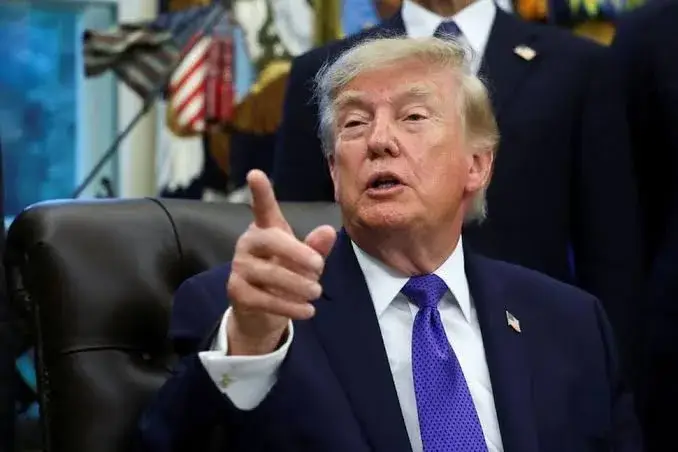
Trump Denies Iran Sanctions Offer as Reports Point to Possible Nuclear Deal
29 Sept 2026
You may also like
Middle East
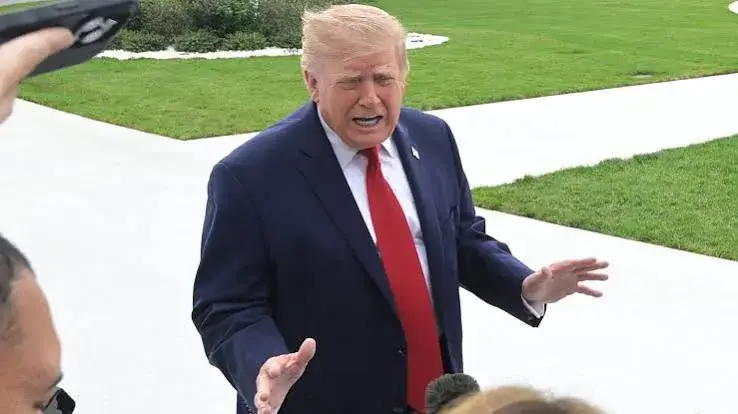
Trump Rejects Iran’s Strait of Hormuz Proposal as Gulf Tensions Persist
26 Sept 2026
Middle East
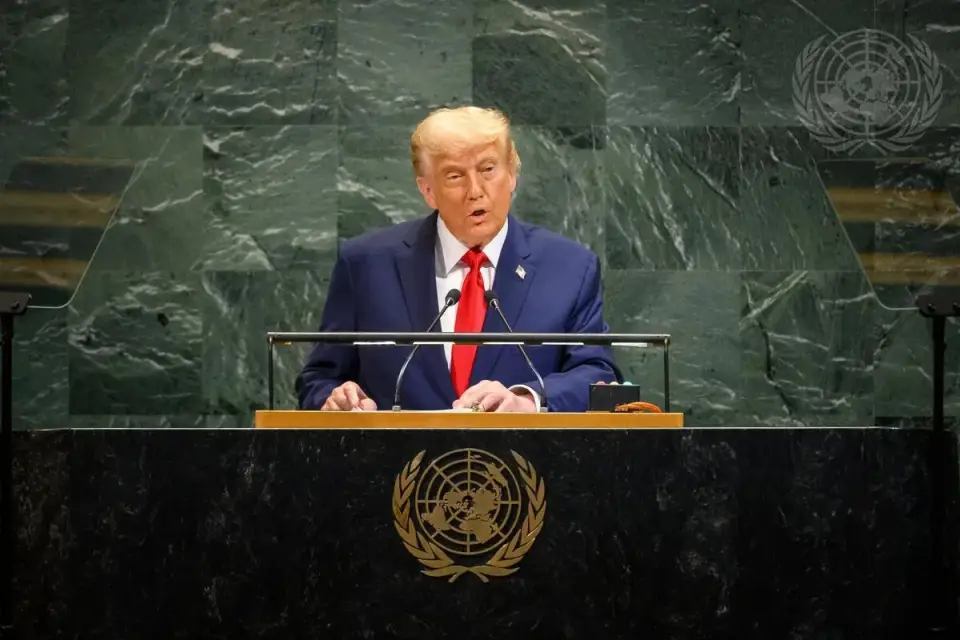
US and Iran Hold First Talks Since June After Trump’s “Annihilate” Threat
24 Sept 2026
Middle East
Iran Says 18 Killed After U.S. Bombardment as Trump Warns of Fresh Attacks
3 Sept 2026
Middle East
Israel to Revoke Diplomatic Status of Dutch Officials in West Bank
28 Sept 2026
Middle East
UAE Expands Jobseeker Visa as New Rules Open Doors for Skilled Workers
28 Sept 2026
Middle East
US Mission in UAE Warns Americans of Possible Travel Disruptions Amid Rising Middle East Tensions
20 Sept 2026