
Israel Falls Silent Three Years After October 7 as Election Nears
Israel paused to remember the victims of the October 7 attacks as the country confronts its trauma and prepares for a pivotal election later this month.
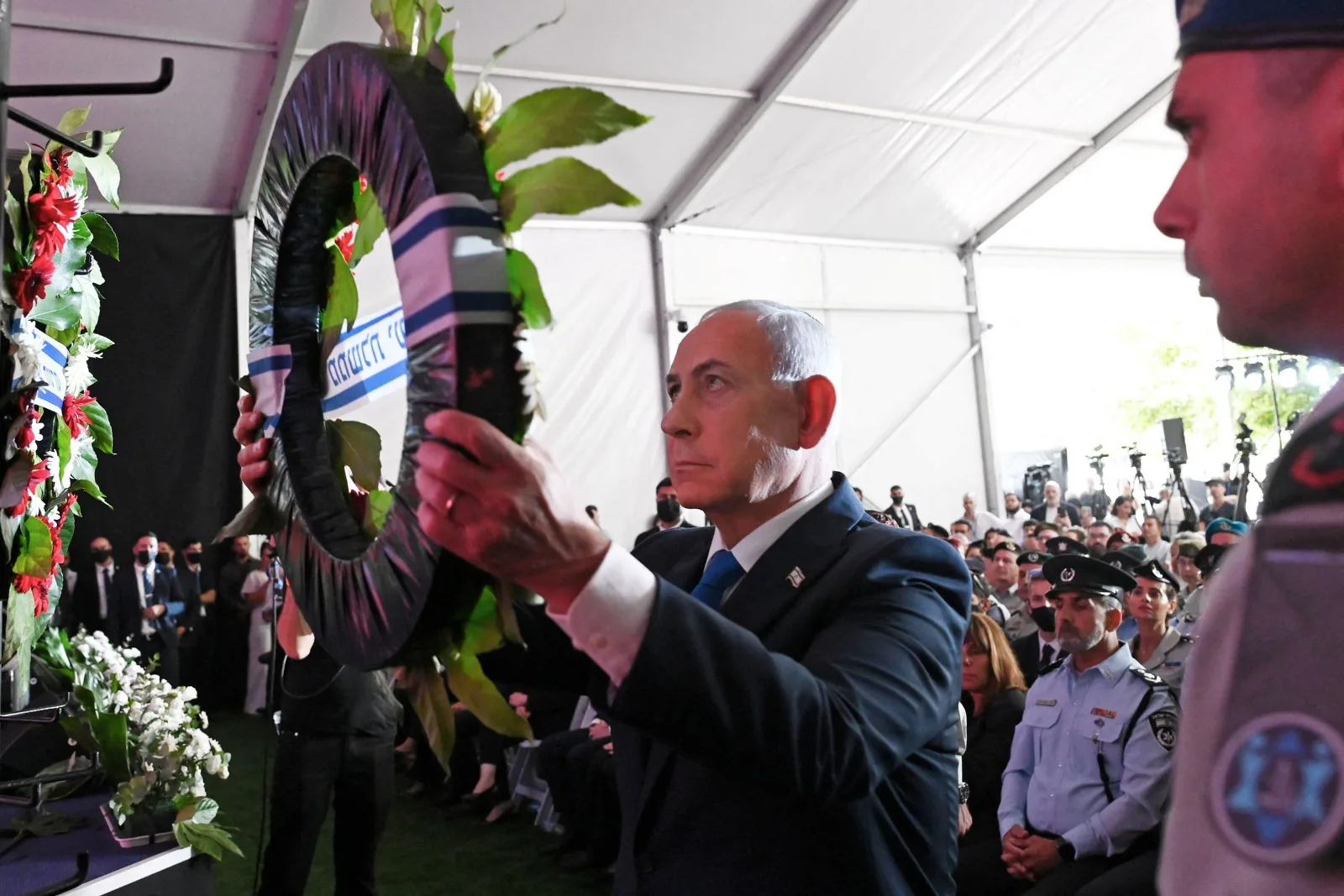
Israel fell largely silent on Wednesday as communities across the country marked three years since the Hamas-led October 7, 2023 attacks, with families of victims, survivors and former hostages gathering at the sites where the country's deadliest day unfolded.
At 6:29 a.m., the time the assault began, mourners observed commemorative silences and returned to places including the Nova music festival site and the communities around the Gaza border. Memorial events were held throughout the day, with bereaved families gathering to remember relatives and friends killed during the attacks. (euronews.com)
The Hamas-led assault killed about 1,200 people in Israel and resulted in 251 people being taken hostage, according to figures cited by Reuters and AP. It triggered Israel's subsequent military campaign in Gaza and a conflict that transformed the political and security landscape across the Middle East. (reuters.com)
This year's commemoration carries a different dimension from the first two anniversaries. A ceasefire has now been in place for about a year, and the remaining hostages have returned home, according to reporting from the anniversary events. But the conflict's consequences remain visible in Israel and Gaza, with communities near the border still dealing with displacement, trauma and the destruction left by the war. (euronews.com)
At Kfar Aza, one of the communities overrun during the attack, residents and families returned to remember those who died. At the Nova festival site near Re'im, photographs of victims were displayed as relatives gathered at the scene where hundreds of festivalgoers were killed or abducted.
President Isaac Herzog, speaking at a state memorial ceremony at Mount Herzl earlier in the week, described October 7 as a national catastrophe and paid tribute to bereaved families and civilians and soldiers who died during the attack and subsequent war. He also highlighted the Israelis who travelled toward the danger that morning to rescue others. (president.gov.il)
But the anniversary is not only about remembrance. It has also reopened a deeply contested debate over how Israel's political and security establishment failed to prevent the assault and how the country responded afterward.
Prime Minister Benjamin Netanyahu, who remains in office three years later, faces criticism from some bereaved families and political opponents who argue that the government should accept responsibility for the security failures surrounding October 7. Some families and survivors have called for an independent national investigation into what went wrong before and during the attack. Netanyahu and his government have faced repeated pressure over accountability, including criticism surrounding the handling of the hostage crisis. (apnews.com)
The issue is particularly sensitive because Israelis will vote for a new Knesset on October 27, just 20 days after the anniversary. The 25th Knesset was dissolved in July, setting the election for the 26th Knesset. Official campaign broadcasts begin October 13, meaning the anniversary arrives just as the election campaign enters its final phase. (en.idi.org.il)
That timing is already shaping political debate. Netanyahu's supporters continue to emphasise security and the government's conduct of the war, while opponents and some survivors of October 7 have framed the election as an opportunity to examine who was responsible for the failures that allowed the attack to happen.
The political divide is complicated by the fact that October 7 means different things to different parts of Israeli society. For many survivors and families, it remains a personal trauma defined by lost relatives, destroyed homes and captivity. For others, it has reinforced a perception that Israel faces an enduring security threat requiring a harder military and political response.
The anniversary also carries a broader regional dimension. Israel's military campaign following October 7 caused enormous destruction in Gaza, with Palestinian health authorities reporting more than 74,000 deaths during the war. Palestinians are marking the same three-year period through the experience of displacement, loss and the destruction of much of the territory, while the ceasefire has not erased the humanitarian consequences of the conflict. (reuters.com)
That contrast makes October 7 one of the most politically and emotionally charged dates in the region. In Israel, Wednesday's silences were first and foremost an act of mourning for those killed and a recognition of the survivors' continuing trauma. But with an election only weeks away, the memory of that day is also becoming part of a larger national argument about security, leadership, accountability and what kind of future Israel wants after three years of war.
For Israel, the third anniversary therefore closes one chapter without resolving the questions that October 7 opened. The silence across the country remembered the dead, but the approaching election will force voters to confront the living political consequences of that day—and decide which leaders they believe should shape the country's next chapter.
More on Middle East
Middle East
Israel to Revoke Diplomatic Status of Dutch Officials in West Bank
28 Sept 2026

Middle East
Hormuz Shipping Traffic Dwindles as Middle East Attacks Intensify
17 Sept 2026
Middle East
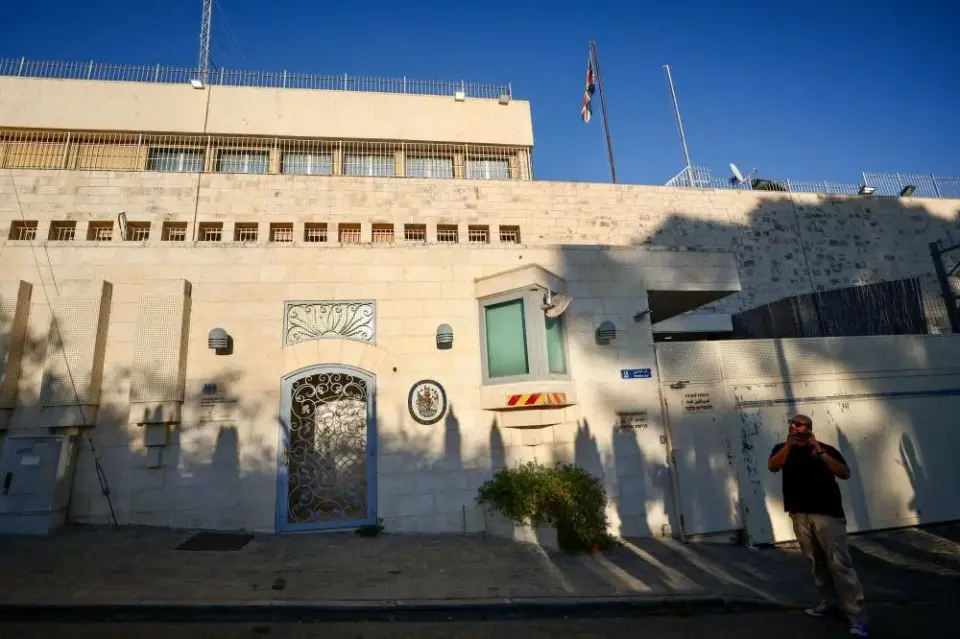
Israel Orders British Consulate in East Jerusalem to Close Within 30 Days
9 Sept 2026
Middle East
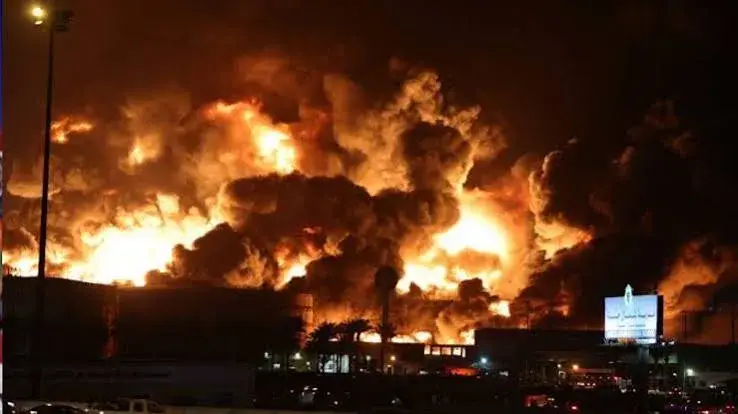
Saudi Aramco’s Jizan Oil Facilities Hit in Fresh Attacks
8 Sept 2026
Middle East
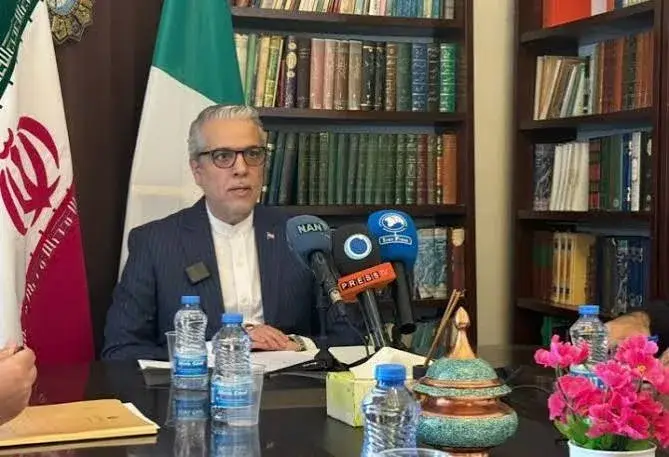
Iran Calls on World Leaders to Stop US Military Strikes After Fresh Attacks
5 Sept 2026
You may also like
Middle East
US Completes Iraq Troop Withdrawal, Ending 12-Year Anti-ISIS Mission
30 Sept 2026
Middle East
Iran Says 18 Killed After U.S. Bombardment as Trump Warns of Fresh Attacks
3 Sept 2026
Middle East
US, Iran Exchange Fresh Attacks as Middle East Tensions Spiral Again
2 Sept 2026
Middle East
Yemen Forces Push Houthis Back, Claim Control of Vital Bab el-Mandeb Strait
6 Oct 2026
Middle East
Iran Says There Is No Military Solution to Middle East War
5 Oct 2026
Middle East
Trump Denies Iran Sanctions Offer as Reports Point to Possible Nuclear Deal
29 Sept 2026