
US Completes Iraq Troop Withdrawal, Ending 12-Year Anti-ISIS Mission
The United States has completed its military withdrawal from Iraq, formally ending a 12-year mission against Islamic State and shifting responsibility for the country’s security fully to Iraqi forces.
The United States has completed the withdrawal of its remaining troops and military equipment from Iraq, formally bringing an end to the U.S.-led Operation Inherent Resolve mission in the country after 12 years of counter-Islamic State operations.
U.S. Central Command said the final departure from Erbil Air Base in northern Iraq was completed on September 30, marking the conclusion of the coalition's military mission in Iraq. The Pentagon described the departure as an orderly transition and said the campaign had succeeded in defeating Islamic State, also known as ISIS, as an organized military threat in Iraq.
The withdrawal was not a sudden decision. Washington and Baghdad agreed in September 2024 on a two-stage transition that would end the coalition's military mission in Iraq while moving the relationship toward a longer-term bilateral security partnership. The final phase was scheduled to conclude by September 30, 2026.
The last U.S. forces had remained primarily in Iraq's semi-autonomous Kurdistan region after American troops withdrew from most other bases. Erbil Air Base became the final major American military position to be vacated under the agreement. The departure now leaves Iraqi forces, including the Kurdish Peshmerga, with primary responsibility for confronting remaining militant threats inside the country.
The withdrawal closes one chapter of a much longer American military presence in Iraq. U.S. forces first entered the country in 2003 during the invasion that toppled Saddam Hussein. Washington withdrew its combat forces in 2011, but returned three years later after ISIS seized large areas of Iraq and Syria and threatened Baghdad.
The U.S.-led international coalition established Operation Inherent Resolve in 2014, working alongside Iraqi security forces and Kurdish Peshmerga fighters to push ISIS out of the territory it had captured. The coalition helped Iraq defeat ISIS's territorial control, with the group's physical stronghold in Iraq effectively dismantled by 2017. The Pentagon says the wider coalition mission subsequently helped establish the conditions for an Iraqi-led security structure.
The end of the mission therefore does not mean that ISIS has disappeared. U.S. officials have previously acknowledged that the organisation remains capable of operating through insurgent and sleeper-cell networks even after losing its territorial stronghold. The question now is whether Iraqi forces can contain those remnants without the same level of direct American military support.
Washington says the withdrawal represents a transition rather than the end of security cooperation with Baghdad.
The Pentagon has said the two countries are moving toward a normal bilateral defence relationship involving areas such as training, liaison arrangements and other security cooperation. The U.S.-led Combined Joint Task Force has also moved its headquarters to Jordan, while American forces continue counter-ISIS operations in Syria alongside coalition partners and the Syrian government.
That distinction is important. Although American troops are no longer maintaining the Iraq-based coalition mission, the United States has not abandoned the wider campaign against ISIS in the region. The operational focus has shifted, with Jordan becoming the headquarters for the coalition task force and Syria remaining an active part of the counter-ISIS effort.
Iraq's government has welcomed the end of the foreign military presence as an important step toward greater national sovereignty. The withdrawal was agreed with Baghdad and is being presented by Iraqi officials as a move toward a security relationship based on cooperation between two sovereign states rather than an international military mission operating inside Iraq.
The transition has nevertheless generated concern in Iraq's Kurdistan region, where American forces have played an important role in supporting the Peshmerga and providing security assistance.
The Kurdistan Regional Government's Ministry of Peshmerga Affairs said it supports continued coordination with Baghdad but warned that the withdrawal comes at a sensitive time. It specifically raised concerns about the absence of an alternative air-defence system, saying the Kurdistan region had faced more than 1,000 drone and ballistic-missile attacks during the wider U.S.-Israel conflict with Iran.
Kurdish officials have also expressed concern that the departure could leave the region more exposed to attacks by Iran-aligned armed groups. These concerns reflect the broader security challenge facing Iraq: the country must simultaneously maintain control over its territory, contain ISIS remnants and manage powerful armed groups whose relationship with the state remains contested. Reuters reported that some analysts and Iraqi citizens fear the American departure could create opportunities for both ISIS and Iran-backed militias to expand their influence.
The Pentagon, meanwhile, has argued that Iraqi security forces are now capable of taking the lead. U.S. officials have pointed to years of training and joint operations as evidence that Iraq is better positioned to handle its own security than it was when the coalition intervention began.
The completion of the withdrawal is therefore more than the closing of an American military base. It marks a fundamental change in how security in Iraq is organized after decades of foreign military involvement. Baghdad now carries greater responsibility for preventing an ISIS resurgence, managing armed groups and maintaining stability, while Washington moves toward a conventional bilateral defence relationship. The success of that transition will ultimately depend on whether Iraq can turn the military gains of the past decade into durable national security institutions capable of protecting the country without a permanent foreign troop presence.
More on Middle East
Middle East
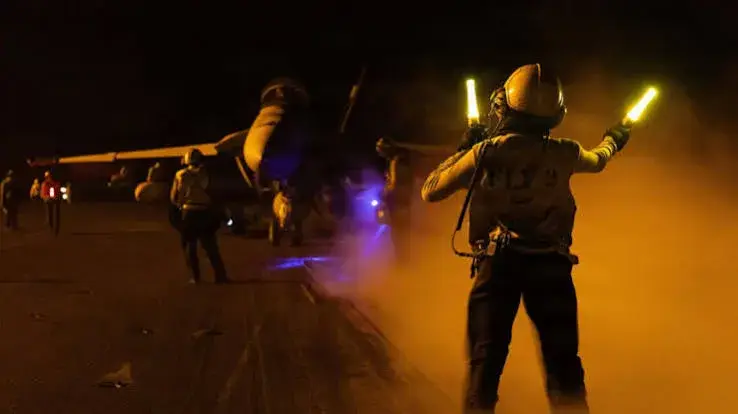
Hormuz Standoff Escalates as Iran and US Exchange Military, Economic Strikes
9 Sept 2026
Middle East
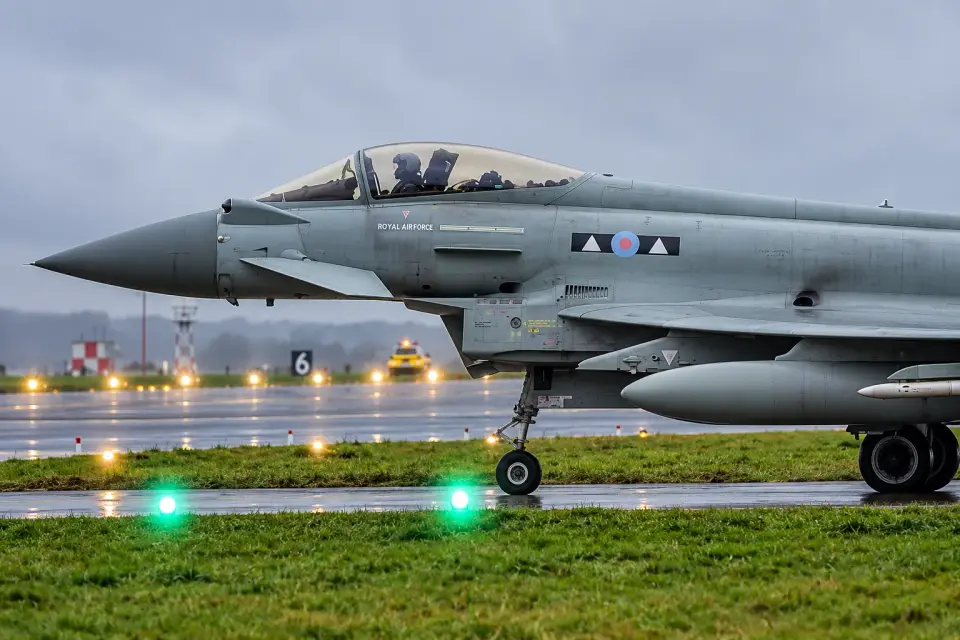
Britain Approves Typhoon Missions to Defend Saudi Arabia From Houthi Attacks
20 Oct 2026
Middle East
Yemen Forces Push Houthis Back, Claim Control of Vital Bab el-Mandeb Strait
6 Oct 2026
Middle East
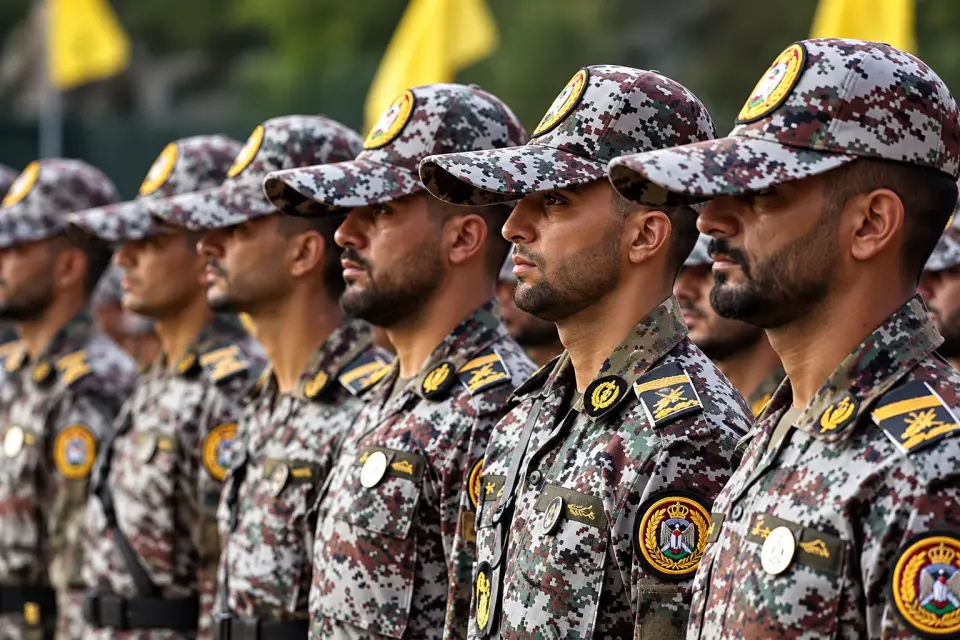
Iran Says There Is No Military Solution to Middle East War
5 Oct 2026
Middle East
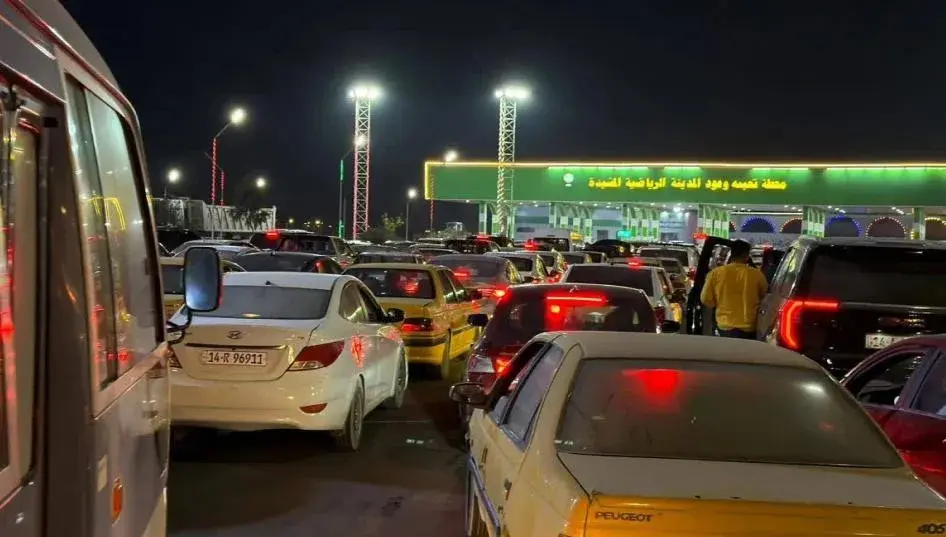
Long Fuel Queues Grip Iraq Despite Its Vast Oil Wealth
6 Sept 2026
Partner with Follow Global Trends
Display banners, sponsored stories and founder spotlights.
You may also like
Middle East
Saudi Arabia Postpones ‘Davos in the Desert’ After Deadly Attacks
20 Oct 2026
Middle East
Saudi Arabia on Alert After Second Riyadh Airport Attack in Two Days
12 Oct 2026
Middle East
Israel Falls Silent Three Years After October 7 as Election Nears
7 Oct 2026

Middle East
UAE Expands Jobseeker Visa as New Rules Open Doors for Skilled Workers
28 Sept 2026
Middle East
US Mission in UAE Warns Americans of Possible Travel Disruptions Amid Rising Middle East Tensions
20 Sept 2026
Middle East
Hormuz Shipping Traffic Dwindles as Middle East Attacks Intensify
17 Sept 2026