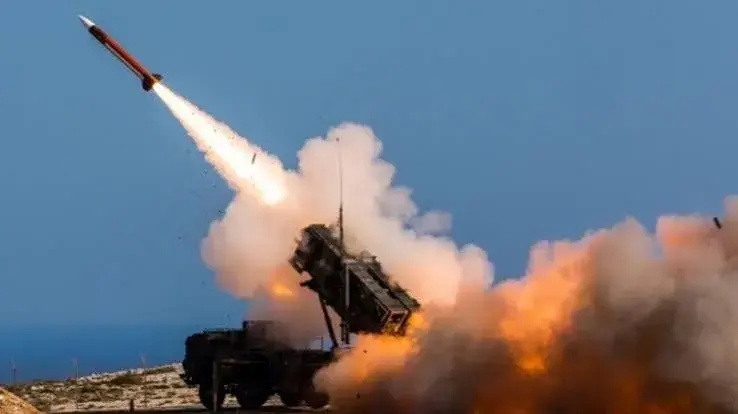
American military forces intercepted and shot down two Iranian one-way attack drones heading toward Bahrain on Friday, averting what could have been a serious regional escalation.
The incident sparked immediate friction across the Persian Gulf after Iran’s paramilitary Islamic Revolutionary Guard Corps claimed its forces had successfully struck and destroyed a key American military radar station on Bahraini soil.
U.S. Central Command firmly disputed Tehran's assertion, confirming that American defenses destroyed both drones in flight without causing any casualties or property damage.
Intercepted Over Bahrain: Conflicting Accounts Emerge
The clash began unfolding early Friday morning when Iranian state media announced that the Revolutionary Guard’s Aerospace Force had targeted American military infrastructure in the island nation.
Iranian commanders claimed their assault scored a direct hit on a U.S. early-warning radar post situated on Jabal ad Dukhan, a strategic high point in southern Bahrain.
CENTCOM swiftly issued a public rebuttal on social media, dismissing the Iranian announcement as false.
“The IRGC launched two one-way attack drones toward Bahrain and both were shot down by U.S. forces,” CENTCOM said in an official statement. “There were no injuries or damage.”
Independent regional observers and local authorities reported no smoke plumes or structural destruction in the area, aligning with the Pentagon’s account that the drones were destroyed before reaching their intended coordinates.
Retaliation Claims and Escalating Warnings from Tehran
Tehran framed the drone launch as an act of retaliation for an alleged American military strike on Iranian territory the previous evening.
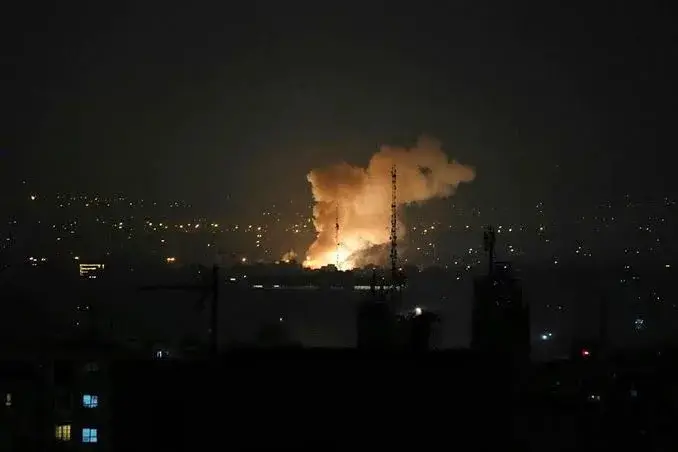
According to Iranian state-run media, an unidentified strike hit a telecommunications relay tower late Thursday in the coastal city of Sirik, located in Iran's southern Hormozgan province near the Strait of Hormuz. Iranian military officials attributed the attack to the United States.
Following the Bahrain operation, the Revolutionary Guard issued an assertive warning through official channels.
“This serves as a serious warning to the aggressor enemy to cease its aerial provocations and oil smuggling in the Strait of Hormuz,” the Guard stated, warning that its forces stand on “full readiness to engage without limits” if foreign military operations continue.
The cross-border confrontation represents Iran’s first direct attempt to target military infrastructure in a neighboring Gulf country in more than two months, heightening concerns over renewed direct confrontation.
Strategic Vulnerability: Bahrain and the U.S. Fifth Fleet
Bahrain plays a pivotal role in Western security architecture in the Middle East, making any military targeting of its territory a sensitive geopolitical flashpoint.
The tiny island kingdom hosts Naval Support Activity Bahrain, the operational headquarters for the U.S. Navy’s Fifth Fleet and the multinational Combined Maritime Forces. From this hub, coalition forces oversee security across critical maritime chokepoints, including the Persian Gulf, the Gulf of Oman, the Red Sea, and parts of the Indian Ocean.
Because American surveillance assets and early-warning radars stationed across Bahrain provide continuous monitoring over the Strait of Hormuz, they remain primary points of interest for Iranian defense strategists.
Security analysts note that while Bahrain maintains close security partnerships with Western allies, its geographical proximity to the Iranian coastline leaves it vulnerable to short-range ballistic missiles and low-flying drone salvos.
Diplomatic Fallout and Rising Gulf Shipping Risks
The aerial interception coincided with urgent deliberations at the United Nations in New York, where diplomats met on Friday to discuss deteriorating maritime stability across the Middle East.
Addressing the UN Security Council, regional representatives and international delegates warned that attacks on commercial vessels and coastal installations threaten the stability of global energy routes and maritime navigation.
Iranian diplomatic representatives defended their actions during council debates, asserting that military maneuvers in the Gulf respond directly to foreign naval interference and economic sanctions.
Western council members countered that Iranian drone launches violate international norms and risk drawing regional neighbors into wider conflict.
While shipping through the Strait of Hormuz continues under heavy naval monitoring, international maritime insurers are reassessing regional risk premiums. With diplomatic negotiations currently stalled, regional military forces across the Gulf remain on high alert against further aerial incursions.