
Hormuz Standoff Escalates as Iran and US Exchange Military, Economic Strikes
Iran and the United States have exchanged fresh military and economic strikes as the standoff over the Strait of Hormuz deepens, driving oil prices toward $100 and raising fears of a prolonged regional crisis.
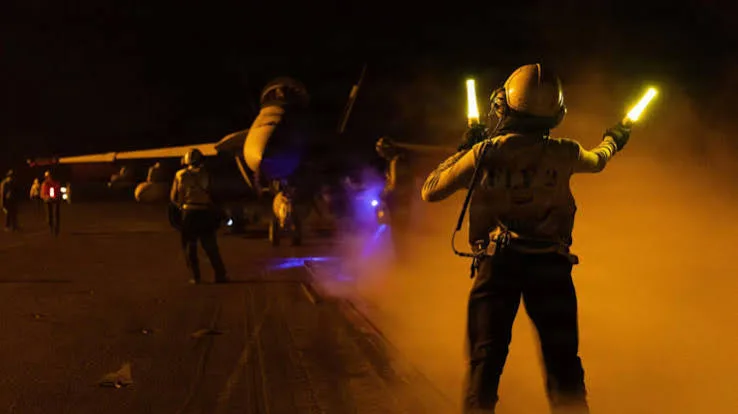
The conflict between Iran and the United States has entered another dangerous phase after both sides launched retaliatory actions within hours of each other, intensifying the months-long struggle over the strategically vital Strait of Hormuz and further unsettling global energy markets.
Iran’s Revolutionary Guards said they carried out missile and drone attacks against multiple US naval targets in and around the Strait of Hormuz and launched strikes on the Al-Azraq air base in Jordan, describing the operation as retaliation for recent American attacks on Iranian oil tankers. Jordanian authorities said most of the missiles aimed at its territory were intercepted, while the United States has not confirmed Iran’s battlefield claims.
The latest exchange followed US military strikes that destroyed several Iranian oil tankers after Washington said Tehran had attempted missile attacks on an American warship. US Central Command said crews were warned to abandon the vessels before they were targeted, framing the operation as a defensive response to repeated Iranian attacks on maritime assets in the Gulf.
Alongside the military response, Washington significantly expanded its economic campaign against Tehran by imposing sweeping sanctions on Iran’s aviation sector. The new measures target dozens of airlines, cargo operators and foreign companies accused of helping Iran acquire aircraft, aviation technology and logistics services, with US officials warning that businesses supporting sanctioned entities risk being cut off from the global financial system.
Tehran has condemned the sanctions as another attempt to economically isolate the country while insisting they will not alter its strategic position. Iranian officials have also warned that further attacks on its commercial infrastructure would trigger broader retaliation against US interests and allied shipping in the Gulf.
At the centre of the confrontation remains the Strait of Hormuz, the narrow maritime corridor linking the Persian Gulf to global markets and carrying roughly a fifth of the world’s oil and liquefied natural gas during normal operations. Although the waterway has not been formally declared closed under international law, shipping has been severely disrupted by military threats, damaged vessels and widespread caution among commercial operators.
The uncertainty has made it increasingly difficult to determine how much oil is actually moving through the strait. Energy analysts say tanker operators are frequently switching off tracking systems, satellite monitoring has become less reliable and competing estimates of daily crude flows now differ by millions of barrels. That lack of visibility has added a substantial geopolitical risk premium to oil prices, which have climbed back toward the $100-a-barrel mark.
Diplomatic efforts to break the deadlock have stalled despite continued back-channel contacts involving regional mediators. Previous proposals linking the reopening of Hormuz with sanctions relief and broader security negotiations have failed to produce an agreement, leaving both Washington and Tehran locked in a strategy of military deterrence combined with economic pressure.
For the wider world, the Hormuz impasse has become far more than a bilateral dispute. It now sits at the intersection of global energy security, international shipping and Middle East stability, with every exchange of missiles or sanctions carrying consequences that extend from Gulf ports to fuel stations and financial markets worldwide. Until a credible diplomatic breakthrough emerges, the Strait of Hormuz is likely to remain one of the most dangerous flashpoints in global geopolitics.
More on Middle East
Middle East
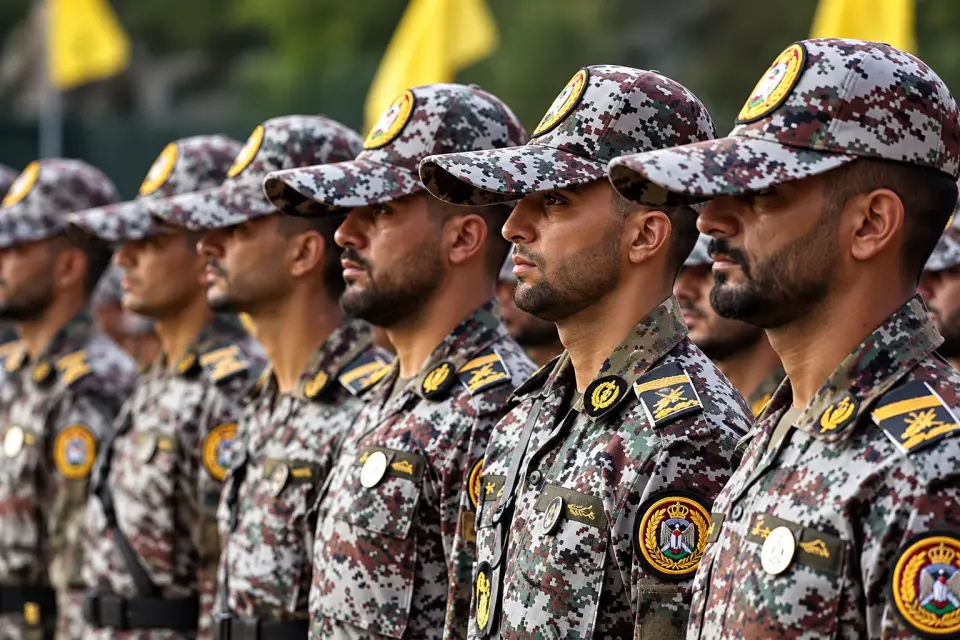
Iran Says There Is No Military Solution to Middle East War
5 Oct 2026
Middle East
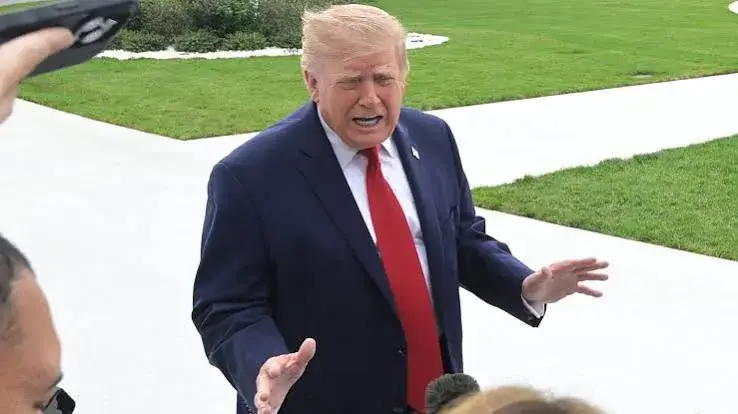
Trump Rejects Iran’s Strait of Hormuz Proposal as Gulf Tensions Persist
26 Sept 2026
Middle East
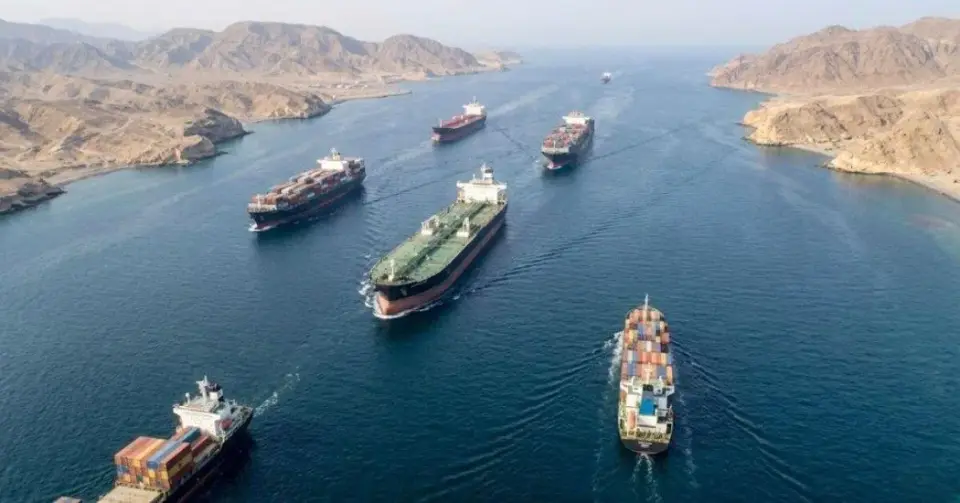
Hormuz Shipping Traffic Dwindles as Middle East Attacks Intensify
17 Sept 2026
Middle East
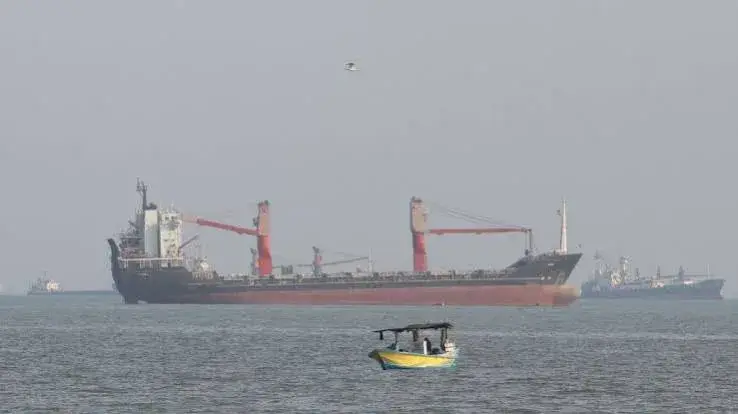
One Ship Sinks, Another Damaged in Latest Strait of Hormuz Attacks
16 Oct 2026
Middle East
Iran Claims Ship Carrying 2,500 Containers Sank After Mine Strike
15 Oct 2026
Partner with Follow Global Trends
Display banners, sponsored stories and founder spotlights.
You may also like
Middle East
Houthis Reportedly Seize Yemen's Strategic Red Sea Port of Mokha
11 Sept 2026
Middle East
US Completes Iraq Troop Withdrawal, Ending 12-Year Anti-ISIS Mission
30 Sept 2026
Middle East
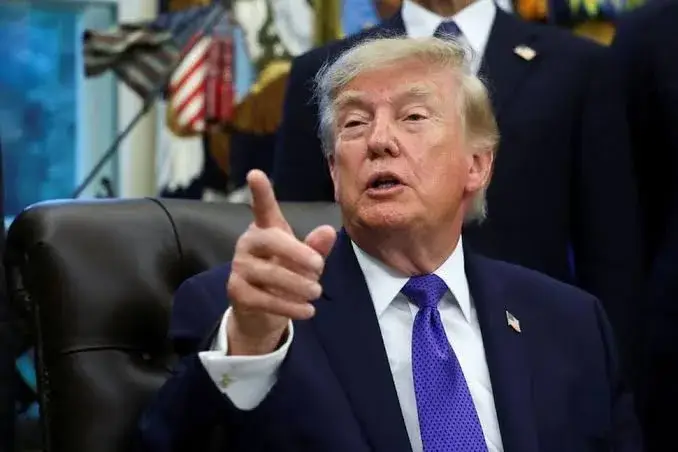
Trump Denies Iran Sanctions Offer as Reports Point to Possible Nuclear Deal
29 Sept 2026
Middle East
Saudi Oil Pipeline Shut Down After Attack Triggers Fires
12 Sept 2026
Middle East
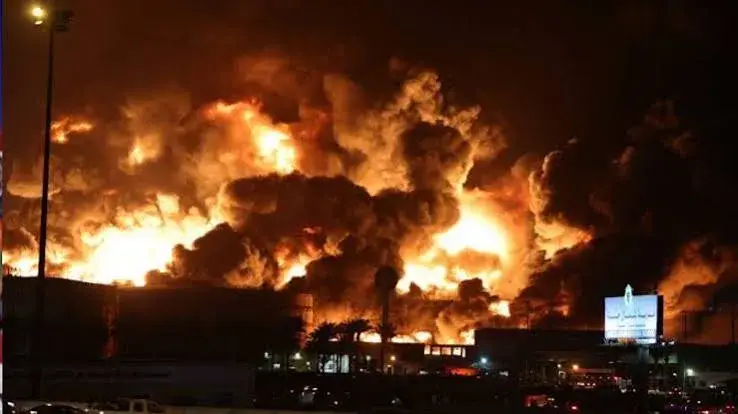
Saudi Aramco’s Jizan Oil Facilities Hit in Fresh Attacks
8 Sept 2026
Middle East
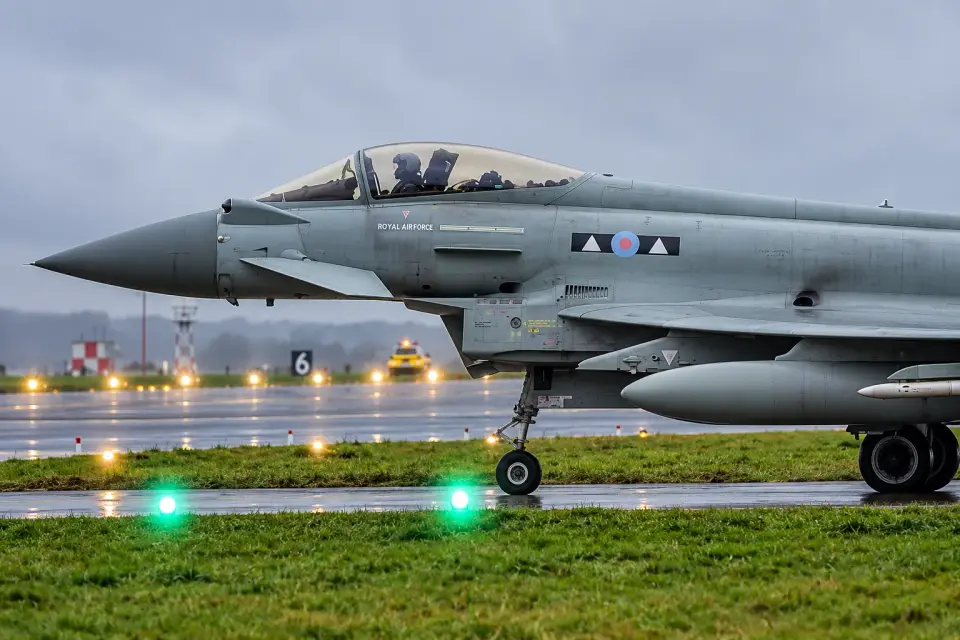
Britain Approves Typhoon Missions to Defend Saudi Arabia From Houthi Attacks
20 Oct 2026