Iran Calls on World Leaders to Stop US Military Strikes After Fresh Attacks
Iran’s embassy in Nigeria has called on the United Nations and world leaders to condemn what it describes as continued US military attacks on Iran, warning that the strikes have claimed civilian lives and threaten regional peace.
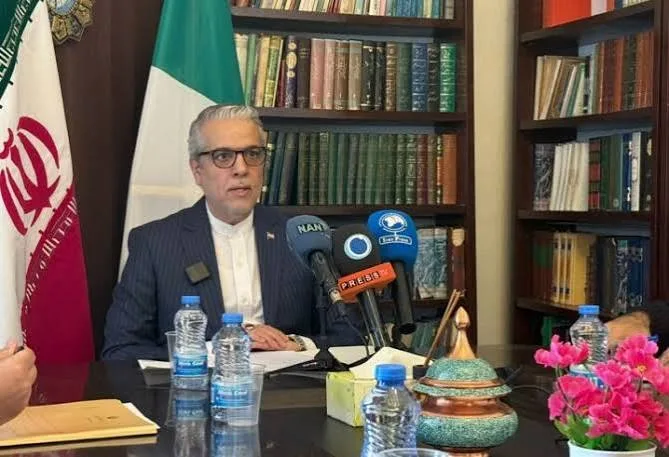
The Embassy of the Islamic Republic of Iran in Abuja has urged the United Nations, governments and the wider international community to speak out against what it describes as continued United States military attacks on Iran and the killing of civilians, escalating Tehran’s diplomatic response to the latest wave of hostilities.
In a press statement issued on Friday, the embassy said the appeal followed US attacks on August 30 and renewed strikes on September 1 in several parts of Iran. It accused Washington of violating international law and called on the UN Security Council to take urgent steps to prevent further military escalation.
According to the embassy, the attacks have resulted in civilian casualties and damage to infrastructure, arguing that the international community has a moral and legal responsibility to condemn the use of force against non-combatants. Tehran maintained that continued military operations risk destabilizing not only Iran but the wider Middle East.
The United States has defended its military actions, saying its operations are aimed at protecting American personnel and interests in the region. Washington has consistently accused Iran-backed armed groups of launching attacks on US forces and insists its strikes are targeted responses intended to deter further aggression rather than provoke a broader conflict.
The renewed exchange has heightened concern among diplomats at the United Nations, where calls for restraint have intensified amid fears that continued retaliation could trigger a wider regional crisis. While several countries have urged both sides to pursue de-escalation, no collective international response has yet emerged.
The latest tensions unfold against a backdrop of overlapping conflicts across the Middle East, including maritime security challenges, cross-border hostilities and increased military deployments in the Gulf. Analysts warn that a prolonged confrontation between Iran and the United States could have significant consequences for regional stability, global energy markets and international trade routes.
By issuing its appeal from Abuja, Iran’s diplomatic mission has sought to rally broader international support beyond the Middle East, framing the crisis as a global concern rather than a bilateral dispute. Whether that call translates into stronger diplomatic intervention may prove crucial in determining whether the current cycle of military retaliation gives way to renewed dialogue or deeper confrontation.
More on Middle East
Middle East
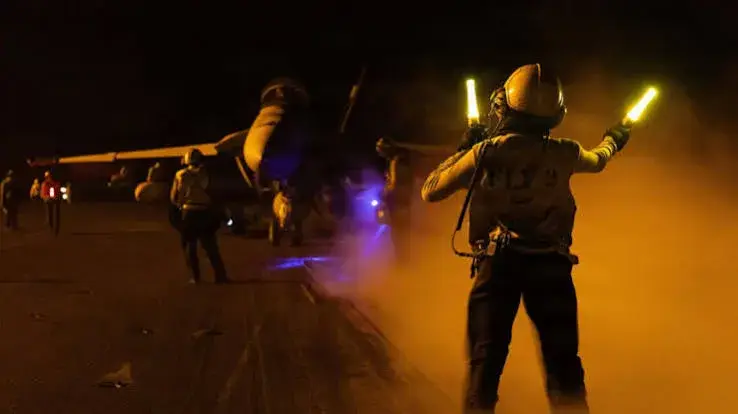
Hormuz Standoff Escalates as Iran and US Exchange Military, Economic Strikes
9 Sept 2026
Middle East
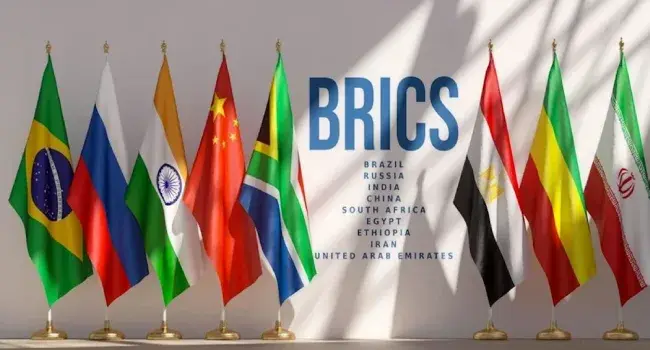
BRICS Calls for Maximum Restraint as Middle East Tensions Escalate
13 Sept 2026
Middle East
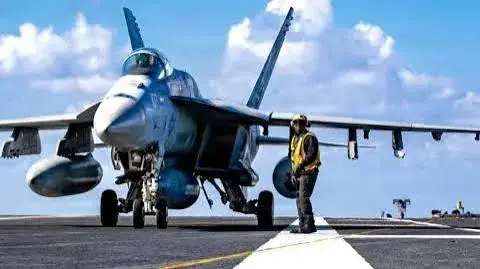
Iran Says 18 Killed After U.S. Bombardment as Trump Warns of Fresh Attacks
3 Sept 2026
Middle East
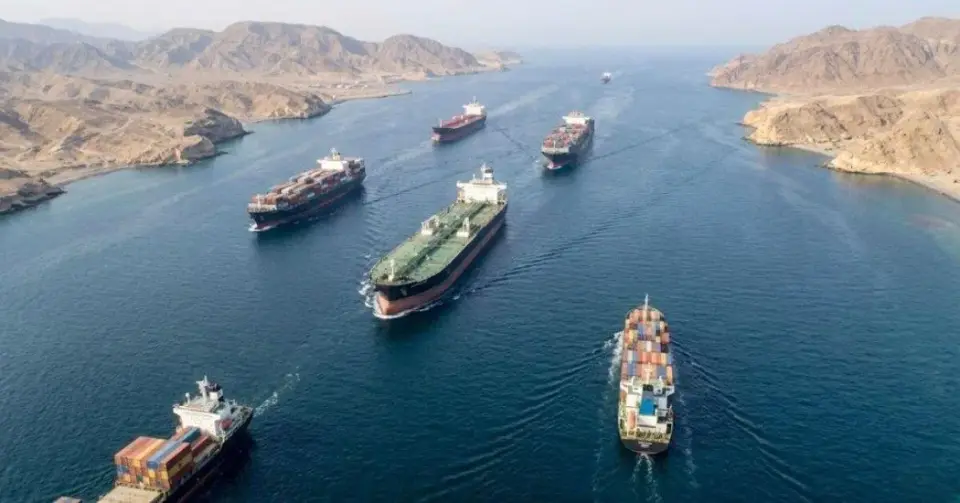
Hormuz Shipping Traffic Dwindles as Middle East Attacks Intensify
17 Sept 2026
Middle East
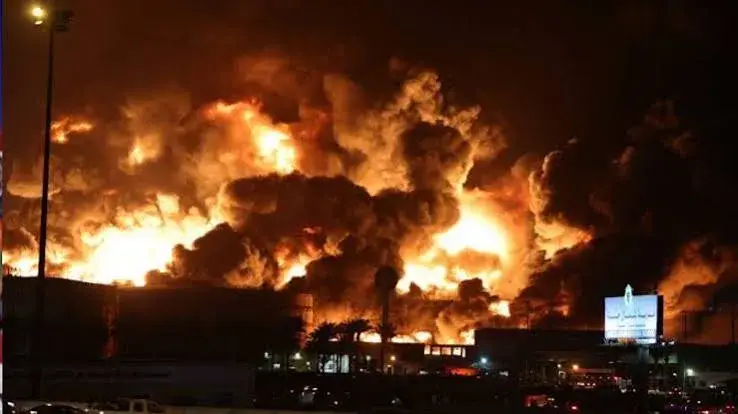
Saudi Aramco’s Jizan Oil Facilities Hit in Fresh Attacks
8 Sept 2026
You may also like
Middle East
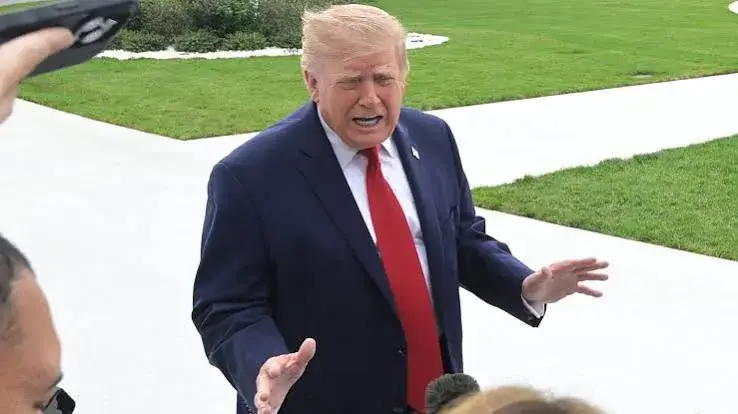
US, Iran Exchange Fresh Attacks as Middle East Tensions Spiral Again
2 Sept 2026
Middle East
Trump Rejects Iran’s Strait of Hormuz Proposal as Gulf Tensions Persist
26 Sept 2026
Middle East
US and IRGC Trade Fire as Oil Tankers Come Under Attack in Hormuz
6 Sept 2026
Middle East
Qatar PM Heads to Iran in Fresh Push to Revive US-Iran Talks.
27 Aug 2026
Middle East
Iran, Oman Agree on Hormuz Revenue Shares as Waterway Talks Advance
26 Aug 2026
Middle East
US Mission in UAE Warns Americans of Possible Travel Disruptions Amid Rising Middle East Tensions
20 Sept 2026