
Iran, Oman Agree on Hormuz Revenue Shares as Waterway Talks Advance
Iran and Oman have agreed on how they would share control and revenues from the Strait of Hormuz, according to Iran’s Revolutionary Guards, as talks continue over reopening the strategic waterway.
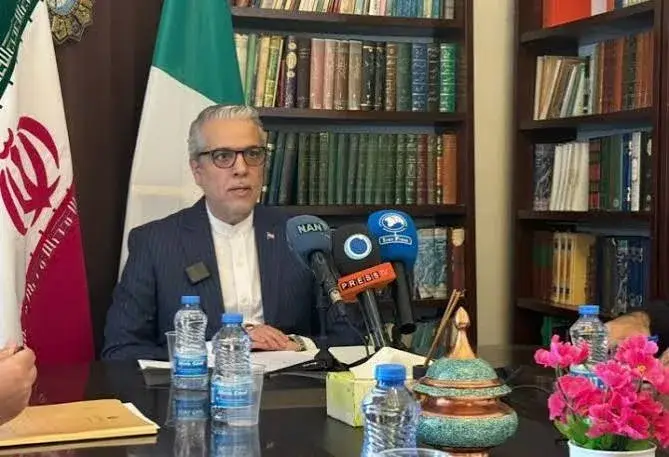
Iranian Foreign Minister Abbas Araghchi, right, meets with his Omani counterpart, Sayyid Badr Albusaidi, in Tehran on Tuesday, August 25, 2026. The photo was released by Iran’s Foreign Ministry and distributed by the Associated Press (AP). The claim was reported by Iran’s semi-official Tasnim news agency and subsequently reported by Reuters. The IRGC spokesperson did not disclose the financial terms or explain exactly how any revenue-sharing mechanism would operate.
The announcement comes a day after the foreign ministers of Iran and Oman held talks in Tehran on a framework for restoring safe navigation through the strait. In a joint statement, the two countries said they had discussed a temporary joint navigation corridor, a joint project to clear mines from the waterway and further technical negotiations on a permanent route and its future administration.
The proposed arrangement would also involve mechanisms for information-sharing, traffic management and the provision of navigation and security services. Iran and Oman said they would seek discussions with other states bordering the Persian Gulf and stressed that the sovereign rights of coastal states and applicable international law should be respected.
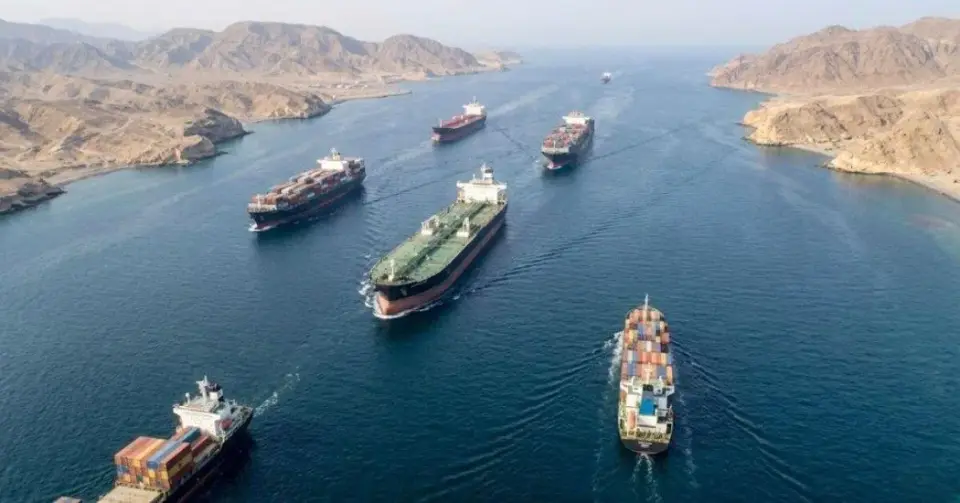
The revenue issue is potentially the most sensitive element of the emerging framework. The Strait of Hormuz is an international maritime chokepoint through which a significant share of the world's oil and liquefied natural gas trade normally passes. Any arrangement that introduces payments associated with navigation, security or other services could therefore have consequences beyond Iran and Oman, particularly for shipping companies, energy exporters and major oil-importing economies.
It remains unclear from the Iranian statement whether the reported "revenues" would amount to conventional transit tolls, payments for specific maritime services or another form of financial arrangement. Previous reporting on the negotiations has described possible service fees associated with security and environmental maintenance, while a proposed framework has also contemplated Iran and Oman managing different directions of vessel traffic.
The latest development is also significant because the United States remains deeply involved in the dispute, despite Tehran maintaining that its negotiations are primarily with Oman. The IRGC spokesperson accused Washington of obstructing the Iran-Oman negotiations and said US interference had delayed the talks. That is an Iranian claim and has not been independently established in the announcement.
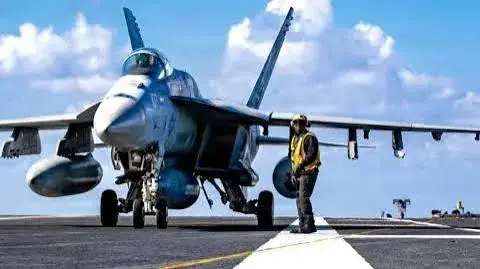
Washington has previously objected to arrangements that would give Iran greater control over the waterway, insisting on freedom of navigation. The United States has also been pressing Tehran over the wider conflict and its sanctions regime, making any agreement over Hormuz inseparable from the broader diplomatic confrontation.
For Iran, control of the waterway carries strategic importance that goes well beyond the revenue question. Iranian officials have repeatedly described Hormuz as a key component of the country's sovereignty and geopolitical leverage. Earlier this month, the IRGC said reopening the strait would depend on conditions involving the United States and was separate from the Iran-Oman negotiations themselves.
For Oman, the talks fit a longstanding role as a diplomatic intermediary in disputes involving Iran and Western powers. Muscat has sought to maintain working relations with Tehran while also preserving its ties with the United States and other Gulf states, making it a potentially important bridge in efforts to restore maritime traffic.
Financial markets have already been responding to signs of progress. Reuters reported that oil prices fell sharply on Tuesday as investors became more optimistic about a possible reopening of Hormuz, with Brent crude dropping more than 2% to $86.35 a barrel. Shipping through the strait, however, remained well below normal levels, underlining the gap between diplomatic progress and a full return to routine maritime traffic.
The latest announcement therefore marks progress, but not yet a final settlement. The two countries still need to resolve technical and legal questions surrounding the permanent navigation route, mine clearance, traffic management and the administration of the waterway, while the wider dispute involving Washington remains unresolved.
The broader significance is that the Hormuz negotiations are evolving from a question of simply reopening a blocked shipping route into a much bigger debate over who manages one of the world's most strategically important waterways, under what rules and at what cost. If Iran and Oman can turn their emerging framework into a workable arrangement accepted by regional and international stakeholders, it could ease pressure on global energy markets; if the revenue and control questions become another point of confrontation, Hormuz could remain a major source of geopolitical and economic risk.
More on Middle East
Middle East
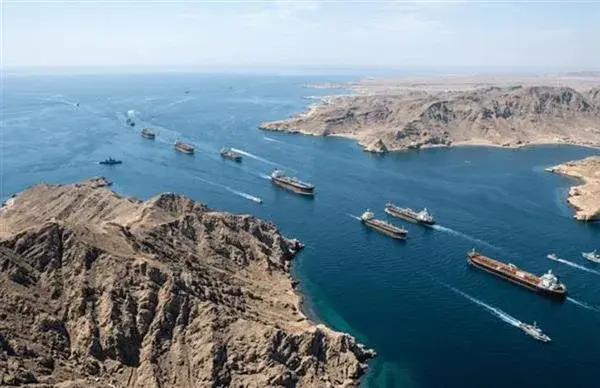
US and IRGC Trade Fire as Oil Tankers Come Under Attack in Hormuz
6 Sept 2026
Middle East
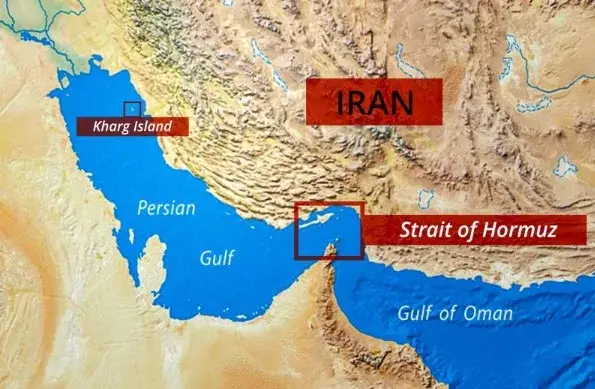
Iran Moves to Charge Ships Using Strait of Hormuz as Shipping Crisis Deepens
24 Aug 2026
Middle East
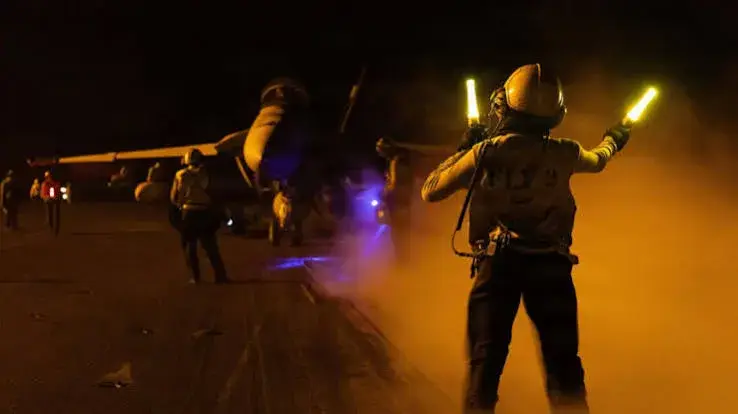
Hormuz Standoff Escalates as Iran and US Exchange Military, Economic Strikes
9 Sept 2026
Middle East
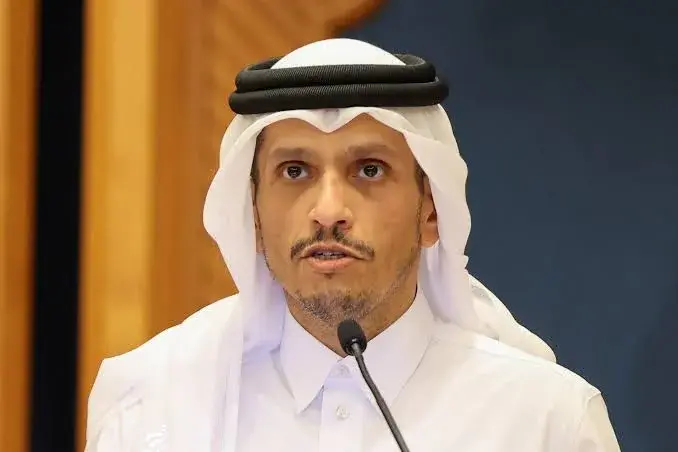
Qatar PM Heads to Iran in Fresh Push to Revive US-Iran Talks.
27 Aug 2026
Middle East
Iran President Says It Is Time to End War While Tehran Holds ‘Position of Strength’
21 Aug 2026
You may also like
Middle East
Trump Turns Up Pressure on Oman With Bombing Threat Over Iran Deal
17 Aug 2026
Middle East
Hormuz Shipping Traffic Dwindles as Middle East Attacks Intensify
17 Sept 2026
Middle East
Houthis Reportedly Seize Yemen's Strategic Red Sea Port of Mokha
11 Sept 2026
Middle East
Iran Calls on World Leaders to Stop US Military Strikes After Fresh Attacks
5 Sept 2026
Middle East
Iran Says 18 Killed After U.S. Bombardment as Trump Warns of Fresh Attacks
3 Sept 2026
Middle East
Russia Secretly Helping Iran Develop Supersonic Missiles, Intelligence Reports Claim
2 Sept 2026