
Iran President Says It Is Time to End War While Tehran Holds ‘Position of Strength’
Iranian President Masoud Pezeshkian says Tehran should move to end its months-long war with the United States while he believes Iran still has the upper hand, as stalled diplomacy, sanctions and the crisis around the Strait of Hormuz continue to pressure both sides.
Iranian President Masoud Pezeshkian has said it is time to bring the months-long war with the United States to an end, arguing that Tehran should seek a settlement while it remains in what he described as a position of “power and dignity.”
Pezeshkian made the remarks on Friday during a meeting with doctors, according to Iranian state-linked media and reports carried by AFP. He said Iran should not allow the conflict to continue indefinitely when, in his assessment, the country has emerged from the fighting with its strength and national unity intact.
“It is better that we bring the war to an end now as we are in a position of power and dignity,” Pezeshkian said, adding that he believed the international community recognised Iran as having prevailed in the conflict.
His comments do not amount to an announcement of a new peace agreement. Rather, they reinforce a position Pezeshkian has expressed in recent weeks: that Tehran is prepared to negotiate, but wants to do so without appearing to surrender or abandon what it considers its national rights.
Earlier this month, the Iranian president described the moment as an opportunity to reach an agreement because of what he called cohesion, strength and unity inside Iran. He argued that negotiations could allow Tehran to pursue its demands through diplomacy rather than prolonging the country’s “neither war nor peace” situation.
The latest statement comes as efforts to end the conflict remain effectively stalled. A 60-day memorandum agreed in June was intended to halt hostilities and provide a framework for negotiations on a broader settlement, including the future of Iran’s nuclear programme and the status of the Strait of Hormuz. The deadline expired this week without the agreement producing the expected breakthrough.
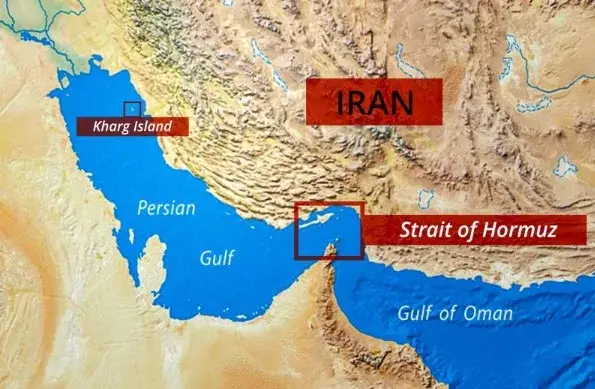
One of the biggest obstacles remains the Strait of Hormuz, through which a significant share of the world’s oil normally passes. Iran has continued to restrict traffic through the strategic waterway, while the United States maintains pressure through a naval blockade and economic measures. The dispute has disrupted energy flows and contributed to higher oil prices and broader concerns about the global economy.
Washington, meanwhile, has shown little indication that it is prepared to simply accept Tehran’s terms. The Trump administration has intensified its economic campaign against Iran, with US Treasury Secretary Scott Bessent warning of further sanctions designed to increase pressure on the Iranian government and its international trading partners. Iran has responded by threatening what its officials describe as a devastating retaliation against further economic or military pressure.
The economic pressure is becoming increasingly important to the calculations on both sides. Associated Press reporting from Iran describes households struggling with inflation, job losses and currency depreciation as sanctions and the blockade squeeze an already weakened economy. AP reported that inflation was expected to approach 70%, while the economy was forecast to contract by more than 5%.
At the same time, Pezeshkian's call for an end to the war comes against a complicated political backdrop inside Iran. Iranian leaders have publicly presented a united front, but reporting has pointed to disagreements between pragmatists who see military pressure as leverage for negotiations and hardliners who favour a tougher confrontation with Washington.
That makes the president's language significant. Tehran is not presenting the push for negotiations as a retreat. Pezeshkian has repeatedly framed diplomacy as something Iran can pursue precisely because it believes it has demonstrated its ability to withstand military pressure. In comments reported earlier this week, he also stressed that negotiation should not be interpreted as surrender and said Iran's objective was to end the war, lift the blockade, recover blocked resources and then address the nuclear issue.
The immediate question, however, is whether Washington and Tehran can agree on what an acceptable end to the conflict would look like. Iran has demanded measures including relief from the blockade and sanctions, while the United States has continued to demand concessions from Tehran and has rejected interpretations of the June agreement that would give Iran greater control over the terms.
For now, Pezeshkian's message appears to be that Tehran would rather negotiate from its current position than wait until the military and economic balance changes. That calculation could provide an opening for diplomacy, but with the Strait of Hormuz still at the centre of the confrontation and both governments under pressure at home, turning the president's call into a durable peace agreement remains a far more difficult task.
The broader significance is that after months of military confrontation, neither side appears to have secured a decisive outcome that makes continued war an easy choice. Pezeshkian's argument that Iran should end the conflict while it still feels strong could therefore mark an important shift from fighting for advantage to negotiating over how that advantage is translated into a settlement. Whether Washington sees the same moment as an opportunity, or as a reason to demand more concessions, may determine whether the Middle East moves towards de-escalation or another dangerous phase of the conflict.
More on Middle East
Middle East
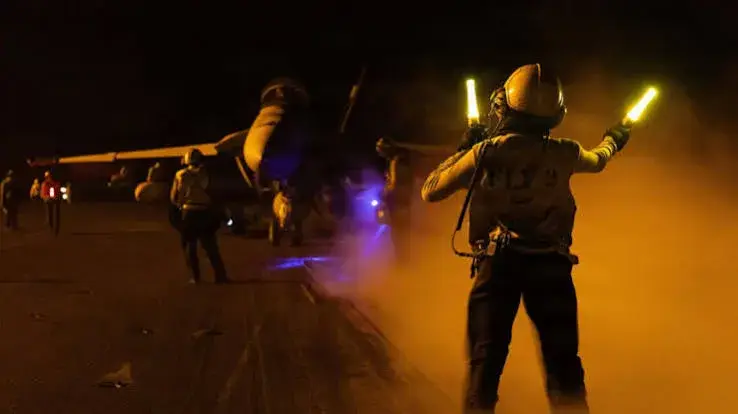
Hormuz Standoff Escalates as Iran and US Exchange Military, Economic Strikes
9 Sept 2026
Middle East
Iran President Admits US Sanctions Are Hurting Economy as Pressure Mounts
29 Aug 2026
Middle East
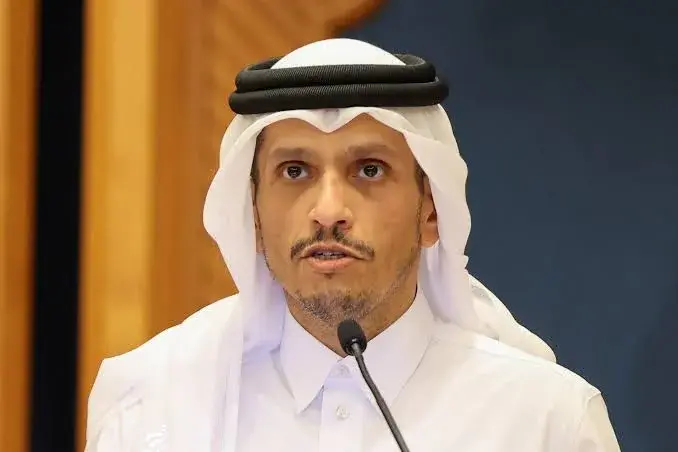
Qatar PM Heads to Iran in Fresh Push to Revive US-Iran Talks.
27 Aug 2026
Middle East
Iran, Oman Agree on Hormuz Revenue Shares as Waterway Talks Advance
26 Aug 2026
Middle East
Iran Moves to Charge Ships Using Strait of Hormuz as Shipping Crisis Deepens
24 Aug 2026
You may also like
Middle East
Hormuz Standoff Deepens as Iran Demands US Lift Sanctions Before Reopening
10 Aug 2026
Middle East
Trump Halts Planned Iran Strikes as Diplomatic Talks Raise Hopes for Strait of Hormuz Deal
2 Aug 2026
Middle East
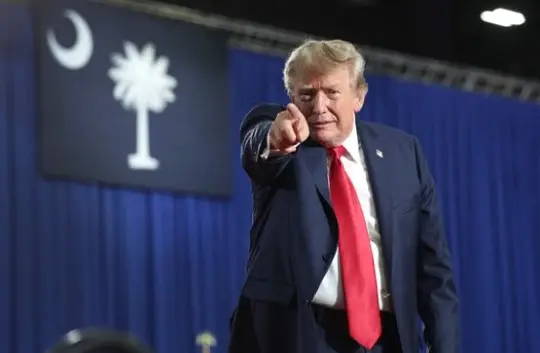
Trump Expands Iran Pressure, Threatens Countries Providing Tehran a ‘Lifeline’
22 Aug 2026
Middle East
UAE President, Trump Discuss Middle East Crisis in Phone Call.
3 Sept 2026
Middle East
US and IRGC Trade Fire as Oil Tankers Come Under Attack in Hormuz
6 Sept 2026
Middle East
Iran Calls on World Leaders to Stop US Military Strikes After Fresh Attacks
5 Sept 2026