
Trump Halts Planned Iran Strikes as Diplomatic Talks Raise Hopes for Strait of Hormuz Deal
President Donald Trump has paused planned military strikes against Iran as diplomatic efforts gain momentum, with negotiations raising fresh hopes of a deal to ease tensions and secure the Strait of Hormuz.
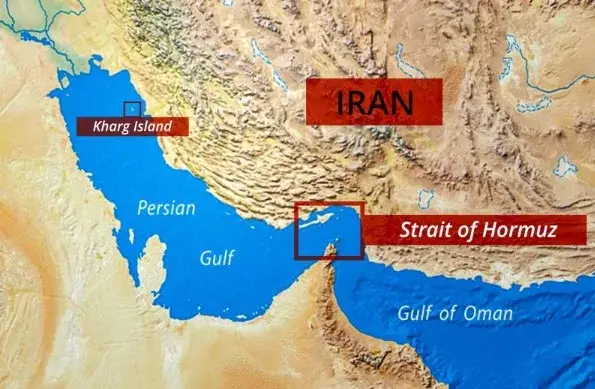
For weeks, the Middle East appeared to be edging closer to another military confrontation. The prospect of fresh U.S. and Israeli strikes on Iran had heightened fears of a wider regional conflict, while global markets watched nervously for any disruption to the Strait of Hormuz—the narrow waterway through which roughly a fifth of the world's oil supply passes.
Now, there are signs that diplomacy may be gaining the upper hand.
U.S. President Donald Trump announced on Saturday that the United States and Israel had agreed to suspend planned military strikes on Iran, saying the "perimeter" of a deal had been reached. His remarks came amid reports that Iran and Oman are making progress toward an agreement that could ease tensions surrounding the Strait of Hormuz, one of the world's most strategically important maritime routes.
While neither Washington nor Tehran has released details of any proposed arrangement, the pause in military action is being viewed as a significant diplomatic development after months of escalating rhetoric and security concerns.
The Strait of Hormuz is more than just a narrow stretch of water between Iran and Oman. It is the lifeline of the global energy market. Every day, millions of barrels of crude oil and liquefied natural gas move through the passage on their way to Asia, Europe and other parts of the world. Any threat to shipping in the strait has immediate consequences for fuel prices, shipping costs and investor confidence.
That is why this story matters far beyond the Middle East.
When tensions rise in the Gulf, the effects are rarely confined to the region. Oil-importing countries face the possibility of higher energy costs, businesses contend with more expensive transportation and supply chains, and consumers often feel the impact through rising fuel and commodity prices. Even countries with no direct involvement in the conflict can experience economic ripple effects.
Oman has once again emerged as a key diplomatic player. Known for maintaining cordial relations with both Iran and Western nations, the Gulf state has frequently acted as a quiet mediator during periods of heightened regional tension. Its role in the latest discussions reflects a long-standing reputation for facilitating dialogue when direct negotiations become difficult.
Although Trump's comments suggest optimism, the path to a lasting agreement remains uncertain. Iranian officials have signalled that negotiations are continuing, but there has been no confirmation that a comprehensive deal has been reached. As is often the case in high-stakes diplomacy, public statements from different parties do not always tell the same story, making it important to distinguish between political messaging and formal agreements.
Even so, financial markets and governments are likely to welcome any development that reduces the risk of conflict in one of the world's most critical energy corridors. A sustained easing of tensions could help stabilise oil prices, lower shipping insurance costs and restore confidence among international investors. Conversely, if negotiations collapse, the threat of renewed military action could quickly return volatility to global markets.
The developments also highlight a broader geopolitical reality: today's conflicts are increasingly measured not only by military strength but by their economic consequences. Control over strategic trade routes, energy security and diplomatic influence has become just as important as battlefield victories. Countries that can successfully broker peace or keep global commerce flowing often wield influence far beyond their size.
For businesses, investors and policymakers, the coming days will be closely watched. The outcome of these talks could shape energy markets, inflation trends and geopolitical stability well beyond the Gulf region.
For readers of FollowGlobalTrends.com, this is not simply a story about Iran, the United States or Israel. It is a reminder that in an interconnected world, events unfolding in a narrow waterway between Iran and Oman can influence the price of fuel in Lagos, shipping costs in Rotterdam, manufacturing in Shanghai and investment decisions in New York.
The negotiations are still unfolding, but one thing is already clear: when diplomacy succeeds in the Strait of Hormuz, the benefits extend far beyond the Middle East.
More on Middle East
Middle East
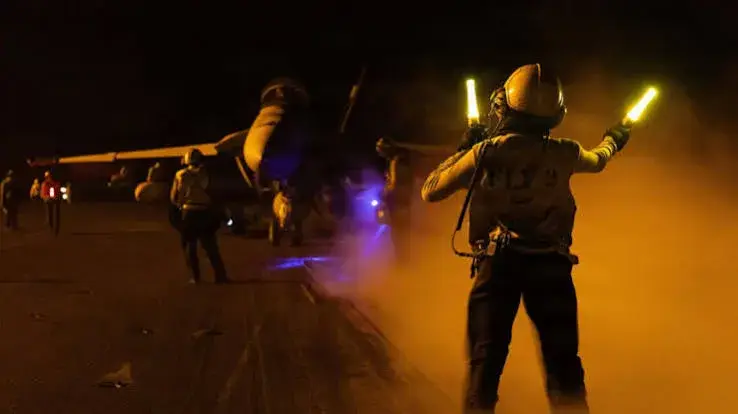
Hormuz Standoff Escalates as Iran and US Exchange Military, Economic Strikes
9 Sept 2026
Middle East
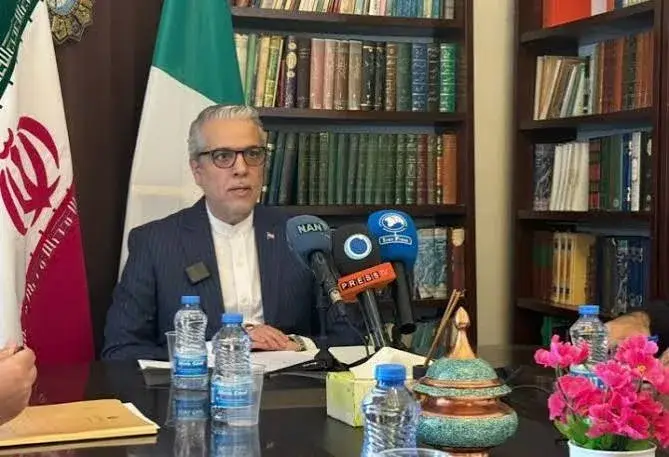
Iran Calls on World Leaders to Stop US Military Strikes After Fresh Attacks
5 Sept 2026
Middle East
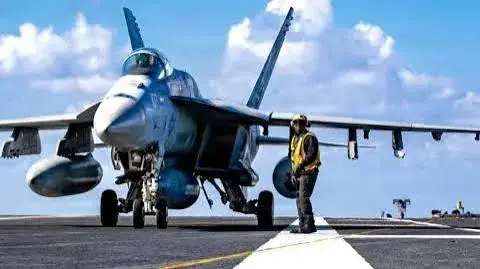
Iran Says 18 Killed After U.S. Bombardment as Trump Warns of Fresh Attacks
3 Sept 2026
Middle East
Iran, Oman Agree on Hormuz Revenue Shares as Waterway Talks Advance
26 Aug 2026
Middle East
Trump Turns Up Pressure on Oman With Bombing Threat Over Iran Deal
17 Aug 2026
You may also like
Middle East
Hormuz Standoff Deepens as Iran Demands US Lift Sanctions Before Reopening
10 Aug 2026
Middle East
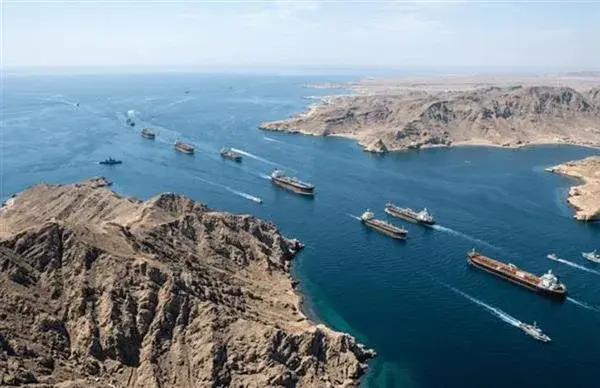
US and IRGC Trade Fire as Oil Tankers Come Under Attack in Hormuz
6 Sept 2026
Middle East
Qatar PM Heads to Iran in Fresh Push to Revive US-Iran Talks.
27 Aug 2026
Middle East
UAE President, Trump Discuss Middle East Crisis in Phone Call.
3 Sept 2026
Middle East
Iran Moves to Charge Ships Using Strait of Hormuz as Shipping Crisis Deepens
24 Aug 2026
Middle East
Iran President Says It Is Time to End War While Tehran Holds ‘Position of Strength’
21 Aug 2026