
Hormuz Standoff Deepens as Iran Demands US Lift Sanctions Before Reopening
Iran says the Strait of Hormuz will remain closed until the US lifts sanctions and ends military threats, raising fresh concerns over global energy supplies.
Iran has tied the reopening of the Strait of Hormuz to a series of demands on the United States, insisting that Washington must end sanctions and military threats against Tehran before normal maritime traffic can resume through one of the world's most important energy corridors.
The latest position threatens to prolong a standoff that has already unsettled global energy markets and raised concerns over the security of international shipping. Iranian officials say the waterway will not fully reopen simply because a limited arrangement is reached to allow some vessels to pass.
At the centre of Tehran's demands is an insistence that the United States end its military pressure on Iran, lift sanctions, release frozen Iranian assets and compensate Tehran for damage caused by the conflict. Iran has also called for an end to US military interventions in the region and guarantees against further attacks.
The demands were outlined by Mohammad Bagher Zolghadr, secretary of Iran's Supreme National Security Council, as diplomatic efforts continued to find a way to restore shipping through the strait.
The timing is significant.
The Strait of Hormuz carries a huge share of the world's oil and liquefied natural gas shipments. Its continued disruption has already pushed energy prices higher and raised the prospect of further pressure on fuel costs if the standoff persists. Recent trading has reflected those concerns, with oil prices rising as markets reacted to the uncertainty surrounding the waterway.
Iran's position also complicates a parallel diplomatic effort involving Oman.
Tehran says it is close to reaching an agreement with Muscat on new shipping lanes through the strait. But Iranian officials have stressed that such an arrangement would not necessarily amount to a full reopening of Hormuz. The distinction is important: a limited corridor for selected shipping is very different from restoring the free flow of commercial traffic that existed before the conflict.
That leaves Washington and Tehran facing a difficult negotiating gap.
The Trump administration has demanded that Iran reopen the waterway, while President Donald Trump has separately said Tehran should pay compensation for people killed or seriously wounded in Iranian actions. His response to Iran's own compensation demands suggests that the two sides remain far apart on one of the central issues now blocking progress.
The dispute is therefore no longer simply about shipping.
Hormuz has become one of the most important bargaining chips in the wider confrontation between Iran and the United States. Tehran's ability to restrict traffic gives it leverage over a global economy that depends heavily on energy moving through the Gulf, while Washington's sanctions and military presence give it significant economic and military pressure of its own.
That creates a dangerous feedback loop.
The longer shipping remains disrupted, the greater the pressure on oil markets and countries dependent on Gulf energy supplies. But the economic consequences also increase the incentive for Washington and its allies to seek a rapid resolution, potentially giving Tehran additional leverage at the negotiating table.
International concerns over freedom of navigation have already intensified. The European Union has accused Iranian forces of actions threatening lawful transit through the strait and has imposed measures targeting individuals and entities linked to those activities.
For shipping companies, meanwhile, reopening the waterway on paper is not necessarily enough to restore normal operations. Security risks, insurance costs and uncertainty over whether vessels will be allowed to pass can keep commercial operators away even after political agreements are announced.
That is why the proposed understanding with Oman is being watched closely.
If it succeeds, it could provide a pathway for at least some shipping to resume while broader negotiations continue. If talks fail, the confrontation could deepen, keeping one of the world's most important maritime corridors effectively restricted and prolonging the pressure on global energy markets.
For FollowGlobalTrends, the significance of the latest Iranian demand goes far beyond the immediate dispute between Tehran and Washington. The Strait of Hormuz sits at the intersection of geopolitics, energy security and global trade, meaning decisions made around its narrow waterways can quickly affect consumers and businesses far beyond the Middle East.
For now, Iran is making its position unmistakable: Hormuz will not return to normal on Washington's terms alone.
The question is whether diplomacy can bridge the gap before the world's energy markets pay an even higher price for the standoff.
More on Middle East
Middle East
Hormuz Standoff Escalates as Iran and US Exchange Military, Economic Strikes
9 Sept 2026
Middle East
US and IRGC Trade Fire as Oil Tankers Come Under Attack in Hormuz
6 Sept 2026
Middle East
Trump Halts Planned Iran Strikes as Diplomatic Talks Raise Hopes for Strait of Hormuz Deal
2 Aug 2026
Middle East
Iran Moves to Charge Ships Using Strait of Hormuz as Shipping Crisis Deepens
24 Aug 2026
Middle East
Iran, Oman Agree on Hormuz Revenue Shares as Waterway Talks Advance
26 Aug 2026
You may also like
Middle East
Iran Calls on World Leaders to Stop US Military Strikes After Fresh Attacks
5 Sept 2026

Middle East
Qatar PM Heads to Iran in Fresh Push to Revive US-Iran Talks.
27 Aug 2026
Middle East
Iran President Says It Is Time to End War While Tehran Holds ‘Position of Strength’
21 Aug 2026
Middle East
Saudi Oil Pipeline Shut Down After Attack Triggers Fires
12 Sept 2026
Middle East
Houthis Reportedly Seize Yemen's Strategic Red Sea Port of Mokha
11 Sept 2026
Middle East
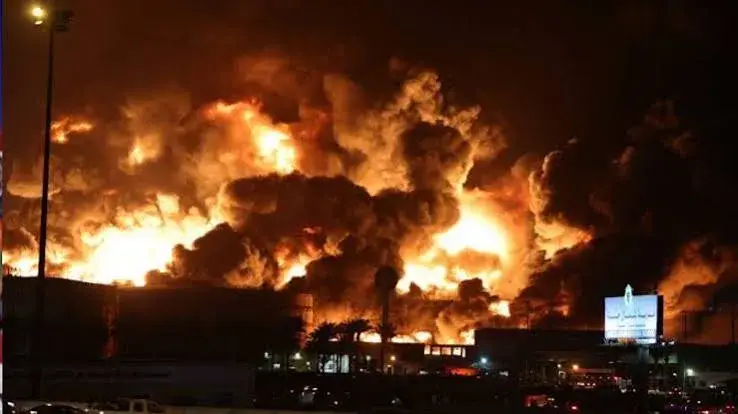
Saudi Aramco’s Jizan Oil Facilities Hit in Fresh Attacks
8 Sept 2026