
US, Iran Exchange Fresh Attacks as Middle East Tensions Spiral Again
Washington says it struck Iranian military targets, while Tehran retaliated with missiles and drones aimed at US interests across the region.
The United States and Iran have exchanged a new wave of military strikes, dramatically escalating tensions in the Middle East and raising fears that a fragile lull in hostilities has collapsed into a wider regional confrontation. The latest attacks mark the most serious flare-up in weeks, with both governments claiming their actions were defensive responses to the other’s aggression.
The US military said it carried out coordinated strikes against targets belonging to Iran’s Islamic Revolutionary Guard Corps (IRGC), including air defence systems, radar installations, maritime assets and communications facilities. US Central Command said the operation was launched in response to what it described as Iranian attempts to threaten commercial shipping in the Strait of Hormuz and attacks against American personnel in the region.
Iran responded within hours, with the Revolutionary Guard announcing missile and drone attacks on US military interests in Jordan, Bahrain, Iraq and Kuwait. Jordan’s military said it intercepted multiple ballistic missiles before they reached their intended targets, adding that no confirmed casualties had been reported from the attempted strike near a US military training facility close to the Gulf of Aqaba.
The renewed violence has also produced conflicting accounts over civilian casualties inside Iran. Iranian authorities said one US strike hit a residential area during a wedding celebration in the southern city of Kuhestak, killing civilians, including a child, and injuring dozens more. The US military said it does not intentionally target civilians and stated it was reviewing reports of the incident, while maintaining that its operation was directed solely at military objectives.
The exchange comes after a month in which direct military confrontation had largely subsided following earlier diplomatic efforts to reduce tensions. That pause now appears to have ended, with both sides trading increasingly forceful rhetoric alongside military action. US President Donald Trump warned that further Iranian retaliation would trigger more devastating strikes, while Iranian leaders vowed to continue responding if attacks on their territory persist.
Beyond the battlefield, the crisis is already reverberating through global markets. The Strait of Hormuz, one of the world’s most important oil shipping routes, has become increasingly volatile after attacks on commercial tankers and renewed military activity in surrounding waters. Energy analysts warn that prolonged instability could disrupt crude exports and place fresh upward pressure on global oil prices.
Despite the escalating conflict, there has been no indication of an imminent return to meaningful negotiations between Washington and Tehran. Instead, both governments remain locked in a cycle of retaliation that risks drawing neighbouring states deeper into the crisis. As military operations expand across multiple countries, the greatest challenge may no longer be preventing another strike—but preventing a regional war from becoming the new normal.
More on Middle East
Middle East
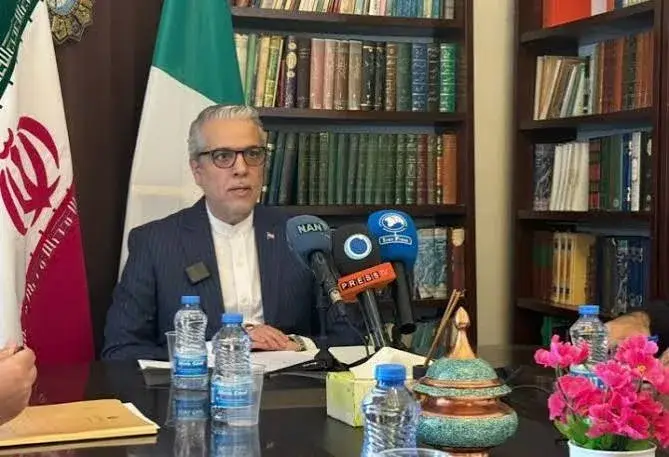
Iran Calls on World Leaders to Stop US Military Strikes After Fresh Attacks
5 Sept 2026

Middle East
Middle East Tensions Push Crude to $105, Borrowing Costs Climb Worldwide
10 Sept 2026
Middle East
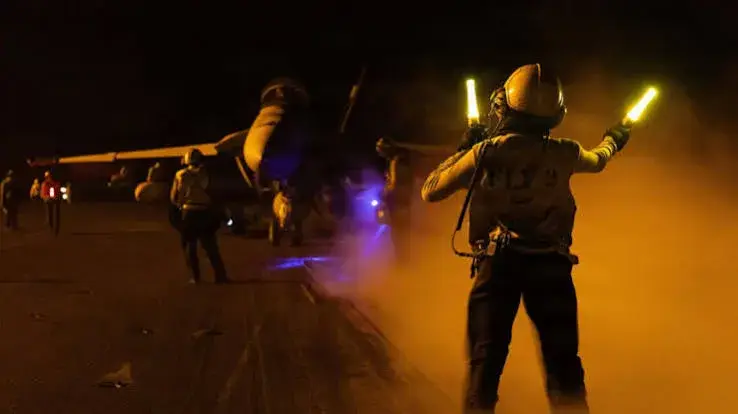
Hormuz Standoff Escalates as Iran and US Exchange Military, Economic Strikes
9 Sept 2026

Middle East
Qatar PM Heads to Iran in Fresh Push to Revive US-Iran Talks.
27 Aug 2026
Middle East
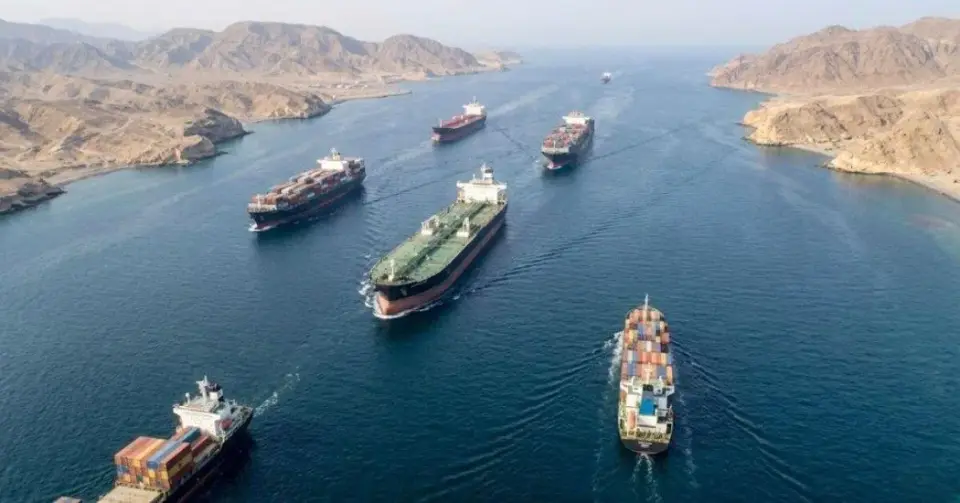
Hormuz Shipping Traffic Dwindles as Middle East Attacks Intensify
17 Sept 2026
You may also like
Middle East
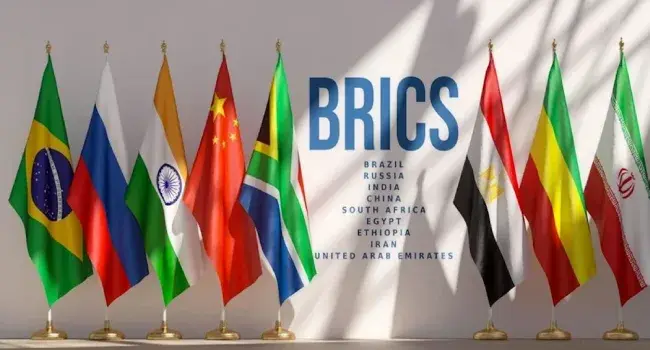
BRICS Calls for Maximum Restraint as Middle East Tensions Escalate
13 Sept 2026
Middle East
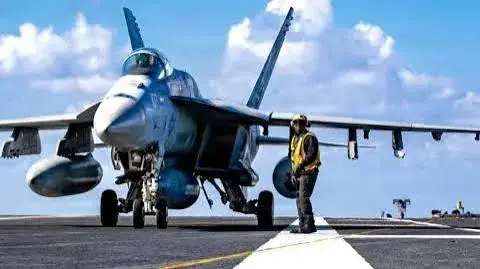
Iran Says 18 Killed After U.S. Bombardment as Trump Warns of Fresh Attacks
3 Sept 2026

Middle East
Trump Expands Iran Pressure, Threatens Countries Providing Tehran a ‘Lifeline’
22 Aug 2026

Middle East
Middle East Tourism Spending to Jump 57% by 2030, ATM Report Finds
17 Sept 2026
Middle East
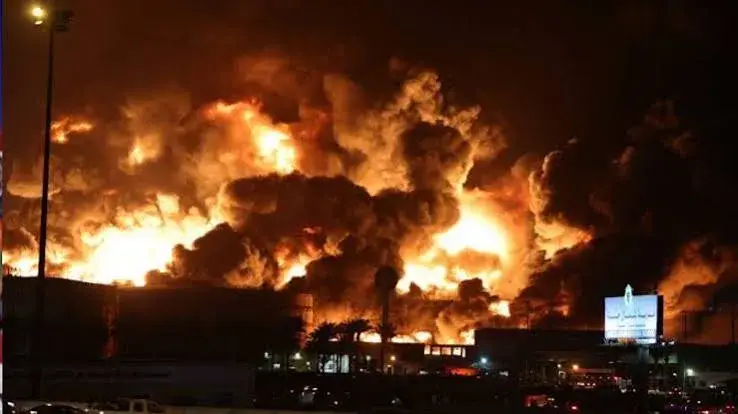
Saudi Aramco’s Jizan Oil Facilities Hit in Fresh Attacks
8 Sept 2026
Middle East
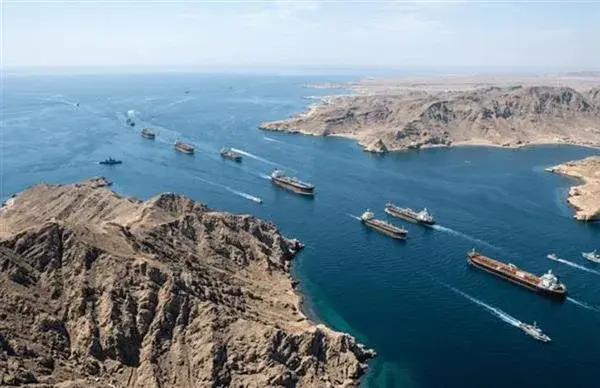
US and IRGC Trade Fire as Oil Tankers Come Under Attack in Hormuz
6 Sept 2026