WHO Appeals for Global Support as Congo’s Worst Ebola Outbreak Overwhelms Health System
The World Health Organization is seeking 5,000 additional health workers as the Democratic Republic of Congo battles its deadliest Ebola outbreak, warning that staff shortages and funding gaps are slowing the emergency response.
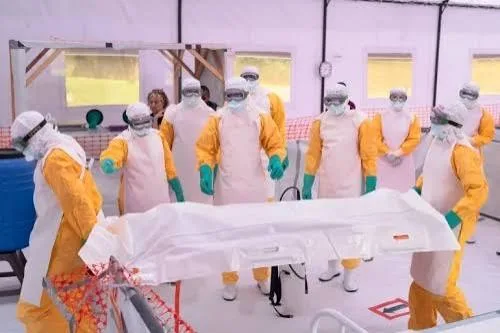
KINSHASA, DR Congo - The World Health Organization (WHO) has appealed for the recruitment and training of 5,000 additional health workers to reinforce the Ebola response in the Democratic Republic of Congo, where the outbreak has overwhelmed treatment centres and become the worst Ebola epidemic in the country’s history.
Health officials say the crisis has spread beyond its initial epicentre in the northeastern city of Bunia and now affects six provinces, forcing authorities to shift from a centralized response to a decentralized strategy that brings treatment closer to newly affected communities.
According to WHO, more than 6,000 people have been infected and over 3,100 have died since the outbreak began, making it the deadliest Ebola epidemic ever recorded in DR Congo. The disease is being driven by the Bundibugyo strain of the Ebola virus, for which there is currently no approved vaccine or specific treatment, complicating efforts to contain transmission.
The agency said nearly 1,400 treatment beds have already been established across 59 Ebola treatment centres, describing the expansion as one of the fastest emergency health scale-ups in recent memory. Yet officials estimate another 1,600 beds are urgently needed, bringing the required national capacity to around 3,000 beds. That would require approximately 9,000 frontline health workers, leaving a shortfall of about 5,000 personnel.
WHO technical officer Luca Fontana warned that the shortage extends beyond doctors and nurses to include specialized humanitarian organizations capable of operating Ebola treatment centres. He said global funding reductions have left only a handful of experienced international partners available, creating a major bottleneck as the outbreak continues to expand.
The financial burden of the response is equally daunting. WHO estimates that operating a 50-bed treatment centre costs roughly $500,000, while every entry into a high-risk patient zone requires personal protective equipment costing about $25 per use. The organization has urged international donors to accelerate contributions toward the Congolese government’s $1.3 billion six-month Ebola response plan.
Beyond funding, frontline workers are confronting insecurity, misinformation and community mistrust. Aid organizations report repeated attacks on healthcare personnel, while burial teams have struggled to carry out safe burials in communities where traditional funeral practices remain deeply rooted. These challenges have complicated contact tracing and delayed the isolation of infected patients, increasing the risk of further transmission.
Public health experts say expanding the workforce is critical not only for treating patients but also for strengthening surveillance, laboratory testing, community engagement and safe burial operations, pillars regarded as essential to breaking the chain of Ebola transmission.
As DR Congo races to contain a rapidly evolving epidemic, the WHO’s appeal highlights a sobering reality: defeating Ebola will require more than medicines and treatment centres. It will depend on rebuilding frontline capacity, restoring community trust and sustaining international support for one of Africa’s most demanding public health emergencies.
Health
Ebola Breaks Deadliest-Outbreak Record in DR Congo as Death Toll Hits 2,325
17 Aug 2026
Health
DR Congo Ebola Outbreak Spreads Exponentially, UN Warns as Death Toll Tops 2,500.
21 Aug 2026
Health
Kenya Confirms First Ebola Case Linked to DR Congo as Patient Dies
6 Oct 2026
Health
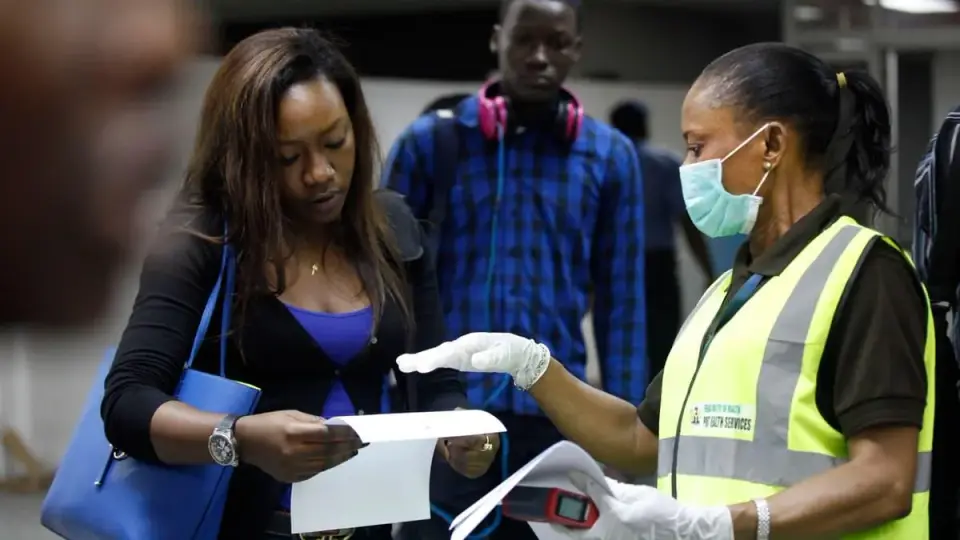
Nigeria Tightens Health Screening for Travellers From Ebola-Affected Countries
24 Sept 2026
Health
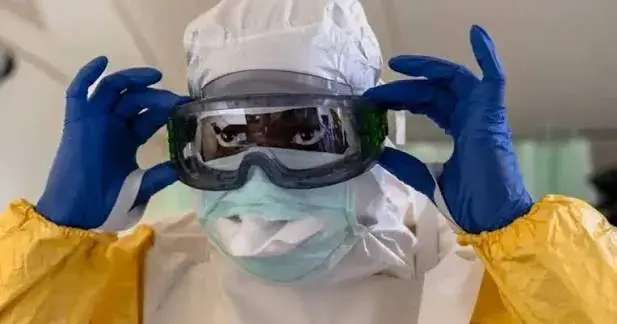
Swiss Government Identifies Ebola Patient as Diplomat’s Wife in Abuja
25 Oct 2026
Partner with Follow Global Trends
Display banners, sponsored stories and founder spotlights.
You may also like
Health
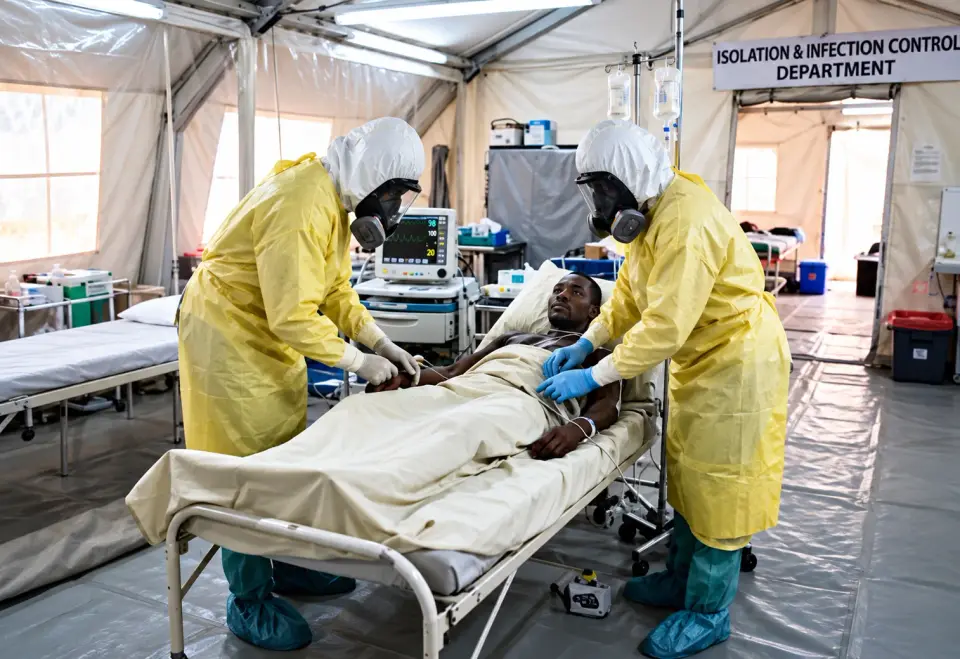
Nigeria Confirms First Ebola Case Since 2014, Tracks 44 Contacts
20 Oct 2026
Health
WHO Warns of Rising Non-Communicable Disease Deaths in Africa, Seeks Safer Healthcare
17 Sept 2026

Health
Dubai Launches World’s First Authority Dedicated to Human Longevity
28 Sept 2026
Health
UK-Based Indian Nurse Wins $250,000 Global Nursing Award for Organ Donation Leadership
13 Sept 2026

Health
France Confirms World’s First Human Case of Shamonda Virus
22 Oct 2026
Health
Malaria: Benue Commits ₦294.5m to Seasonal Prevention Campaign
22 Aug 2026