
Nigeria Confirms First Ebola Case Since 2014, Tracks 44 Contacts
Nigeria has confirmed its first Ebola case in 12 years after a woman who recently travelled from Uganda tested positive in Abuja, prompting health authorities to isolate the patient and begin tracing 44 people who may have been exposed.
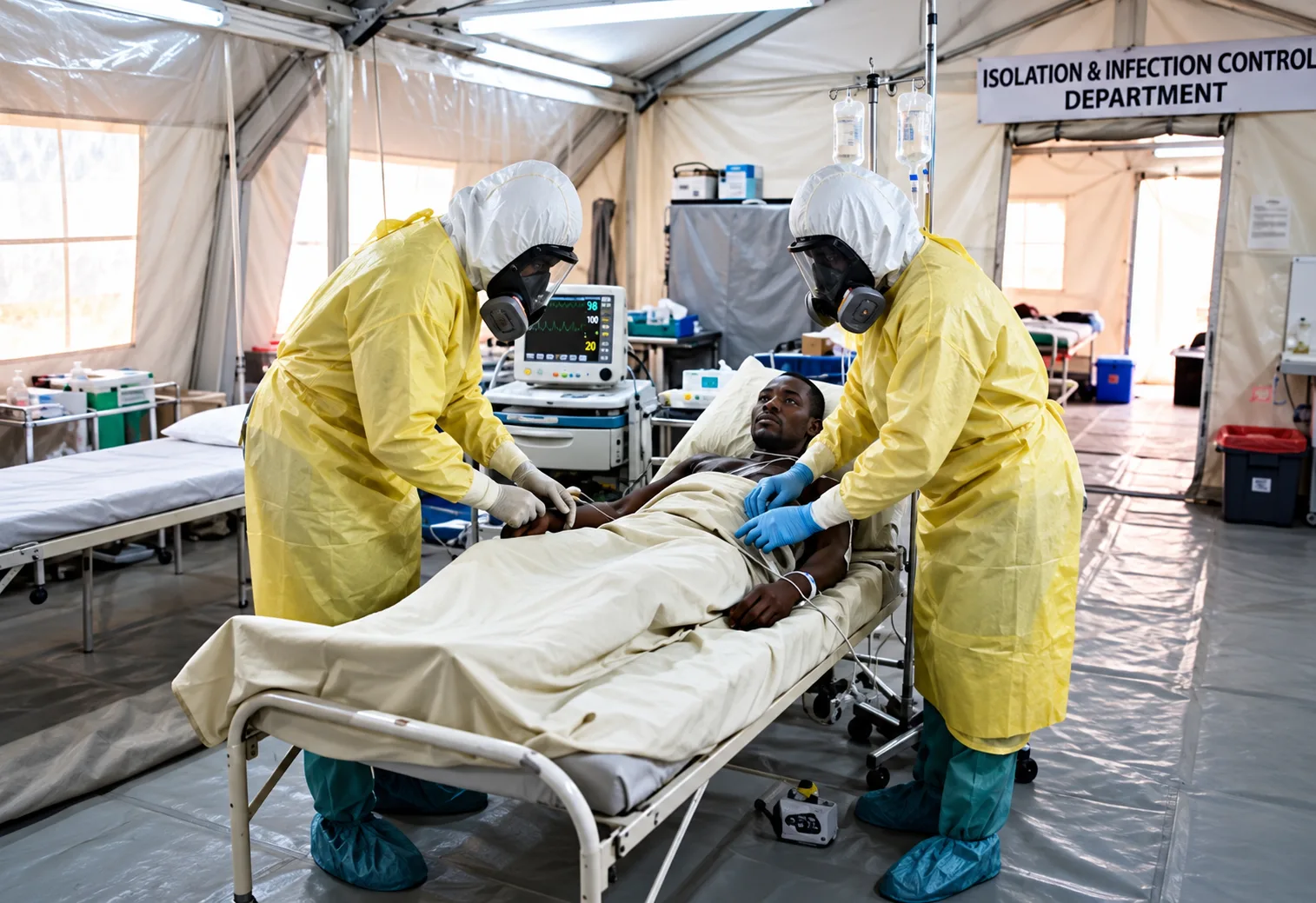
Nigeria has confirmed an Ebola case in Abuja, marking the country’s first reported infection since the 2014 outbreak that killed eight people, as health authorities race to identify possible exposures and prevent further transmission.
Health Minister Muhammad Ali Pate announced the laboratory-confirmed case on Tuesday, October 20, saying the patient was a woman who had recently travelled to Nigeria from Uganda. She is being treated in isolation at a private hospital in the Federal Capital Territory, while contact tracing has identified 44 people who may have been exposed to the virus.
According to the minister, the woman began showing symptoms on October 7 and sought medical attention at the private hospital on October 11. She had received treatment there for several days before laboratory tests confirmed Ebola. Authorities have begun tracing her contacts, including people who may have encountered her during travel or medical care, while the response involves the Federal Ministry of Health, the Nigeria Centre for Disease Control and Prevention (NCDC), the Federal Capital Territory health authorities and international public health partners.
The announcement comes amid a wider Ebola outbreak in Central and East Africa. The Democratic Republic of the Congo has been battling an outbreak caused by the Bundibugyo virus, a species of Ebola, since May. Kenya confirmed cases earlier this month after an infected traveller arrived from the Democratic Republic of the Congo through Uganda. Uganda, which also recorded cases linked to the regional outbreak, was declared free of the virus by the World Health Organization in August after its last known patient recovered.
Uganda’s government has denied that Ebola is currently circulating in the country. Government spokesperson Alan Kasujja told Reuters there was no Ebola in Uganda. The Nigerian patient’s reported travel history therefore does not, by itself, establish where she contracted the infection. Nigerian authorities have described the case as imported, but the publicly available announcement did not specify the virus strain or establish the precise place of infection.
The latest development revives memories of Nigeria’s 2014 Ebola outbreak, which began when a Liberian traveller, Patrick Sawyer, arrived in Lagos while infected. The outbreak resulted in 20 cases, 19 confirmed and one probable, and eight deaths. The virus spread to healthcare workers and others who had contact with infected patients, including in Lagos and Port Harcourt, before the outbreak was contained. Nigeria was declared free of Ebola transmission in October that year following an intensive response that included isolation, laboratory testing and contact tracing.
Nigeria had already been strengthening its preparedness before Tuesday’s confirmation. In a public health advisory issued in May, the NCDC assessed the risk of Ebola being imported into the country as high because of regional transmission, international travel, cross-border movement and the difficulty of distinguishing early Ebola symptoms from more common illnesses. After Kenya reported an imported case in October, the agency said it was reviewing its risk assessment and reinforcing surveillance, early detection, isolation procedures and infection-control measures.
The current outbreak has presented a substantial challenge to regional health authorities. The World Health Organization reported more than 8,700 confirmed cases and 4,200 confirmed deaths in the Democratic Republic of the Congo as of October 6, with transmission recorded across several provinces. The Bundibugyo strain differs from the Zaire strain responsible for the 2014 West African epidemic, and there is no licensed vaccine or specific treatment for Bundibugyo disease, although early supportive care can improve the chances of survival.
For Nigeria, the immediate priority is to determine whether the Abuja case has led to further infections. The identification and monitoring of contacts, protection of healthcare workers and rapid isolation of suspected cases were central to containing the 2014 outbreak. The latest case will test how effectively those public health systems and the country’s strengthened preparedness measures can respond to a new infection amid a regional outbreak that continues to cross borders.
Health
Kenya Confirms First Ebola Case Linked to DR Congo as Patient Dies
6 Oct 2026
Health
Nigeria Tightens Health Screening for Travellers From Ebola-Affected Countries
24 Sept 2026
Health
Nigeria Records First Tele-Robotic Surgery as Doctors Remove Cancerous Kidney Tumour
21 Sept 2026
Health
WHO Appeals for Global Support as Congo’s Worst Ebola Outbreak Overwhelms Health System
10 Sept 2026
Health
WHO Warns of Rising Non-Communicable Disease Deaths in Africa, Seeks Safer Healthcare
17 Sept 2026
Partner with Follow Global Trends
Display banners, sponsored stories and founder spotlights.
You may also like
Health
NAFDAC Blames Local Chinese Syndicates for Surge in Fake Goods Across Nigeria
9 Sept 2026
Health
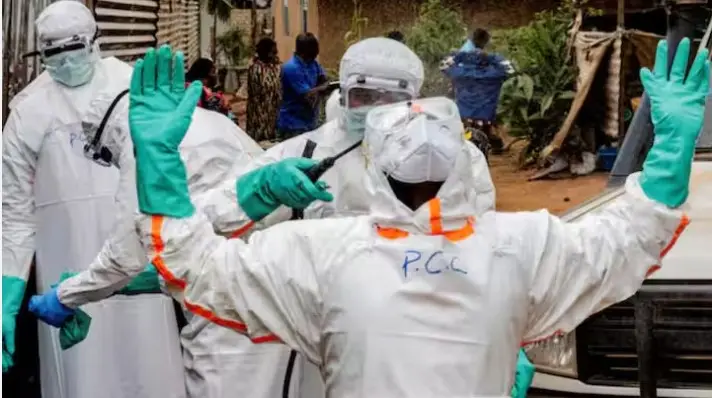
DR Congo Ebola Outbreak Spreads Exponentially, UN Warns as Death Toll Tops 2,500.
21 Aug 2026
Health
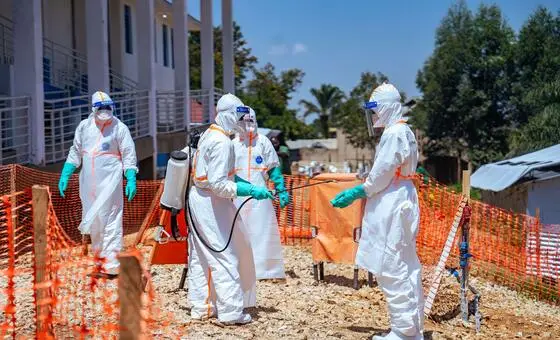
Ebola Breaks Deadliest-Outbreak Record in DR Congo as Death Toll Hits 2,325
17 Aug 2026

Health
Dubai Launches World’s First Authority Dedicated to Human Longevity
28 Sept 2026
Health
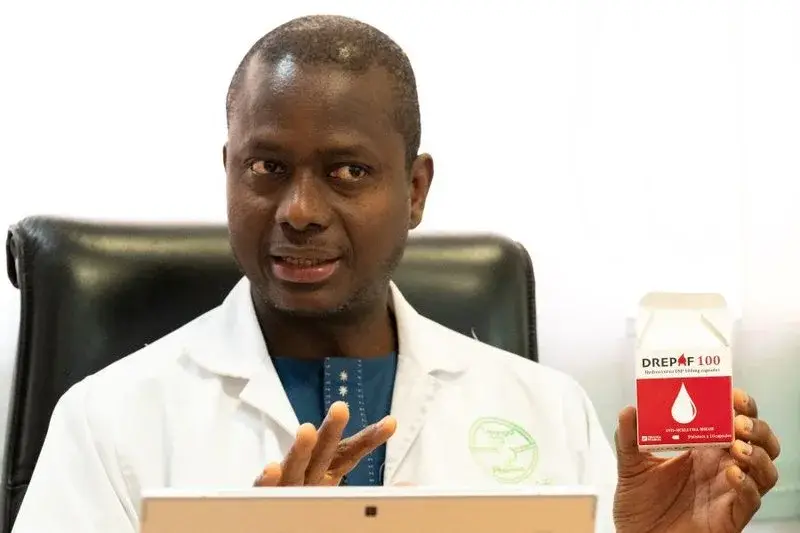
Senegal Makes Africa’s First Locally Produced Sickle Cell Treatment
29 Aug 2026
Health
UAE Becomes First Country to Approve Oral Treatment for Non-Segmental Vitiligo.”
20 Aug 2026