
France Confirms World’s First Human Case of Shamonda Virus
France has confirmed the first documented human infection with Shamonda virus, previously known to affect animals, after a severely immunocompromised patient died in Lyon, although authorities say no risk to the general population has been identified.
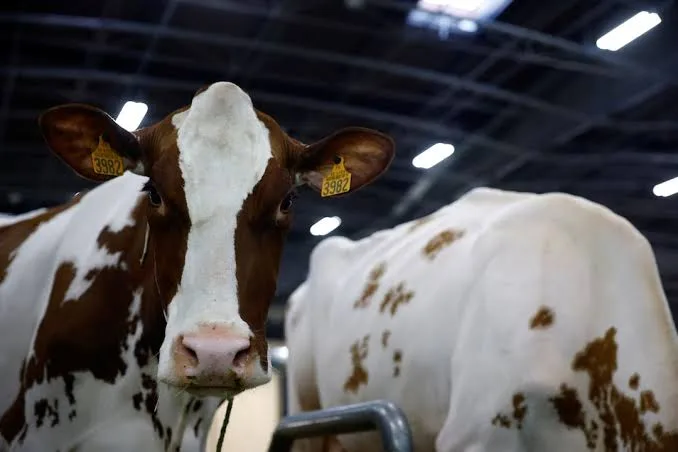
French health authorities have confirmed the world’s first documented human infection with Shamonda virus, a pathogen previously associated with livestock, after it was detected in a severely immunocompromised patient who died in early October. Investigations are continuing to establish how the infection occurred and the extent to which the virus contributed to the patient’s death.
The French government announced the case on Thursday, October 22, saying the patient had been receiving treatment for a serious underlying illness at the Hospices Civils de Lyon, a hospital network in the southeastern French city. The patient’s identity and specific illness have not been publicly disclosed in the official announcement.
According to the French authorities, the patient’s infection is the first documented and reported human case despite Shamonda virus having circulated among animals for decades. The European Centre for Disease Prevention and Control (ECDC) is monitoring the situation and working with French officials and European partners to assess its public health implications.
Health officials believe the patient may have contracted the virus through the bite of an infected Culicoides biting midge in eastern France, where the pathogen had been circulating among animals during the spring and summer. However, this remains the leading hypothesis rather than a conclusively established route of infection.
French authorities said investigations had found that the neurological complications experienced by the patient before death were very likely linked to the infection. The ECDC, however, said investigations into whether the virus caused or contributed to the death were still ongoing, underscoring that the precise relationship between the infection and the fatal outcome has not been fully established.
Despite the unprecedented case, French health officials say no risk to the general population has been identified based on current scientific knowledge. They have described the infection as exceptional because the patient had severe immune-system impairment, which made the individual more vulnerable to infections and complications than the general population. The authorities have notified the World Health Organization and the ECDC, while clinical, laboratory and epidemiological investigations continue.
Shamonda virus belongs to the Orthobunyavirus group and was first identified in Nigeria in the mid-1960s. Before the French case, it had been reported sporadically among livestock in parts of West, East and southern Africa, as well as Japan. Cattle are considered its principal animal hosts, although infections have also been identified in other species, including small ruminants and horses.
The virus made its first known appearance in European livestock in 2026, when infections were identified in cattle farms in Germany, Switzerland and France. The ECDC subsequently reported detections in farm animals in multiple European countries and Jersey. In livestock, the infection can cause symptoms such as diarrhoea, fever and reduced milk production, although French agricultural authorities have described its overall impact in affected herds as limited so far.
The discovery of the human case is significant because Shamonda virus had previously been considered non-transmissible to humans. One documented infection does not, by itself, establish how frequently the virus might infect people, whether it can cause illness in individuals without underlying immune problems, or whether human-to-human transmission is possible. The available evidence has not established such transmission.
French authorities have also said there is currently no scientific evidence documenting transmission through the consumption of meat, milk or related products. Products from sick animals are excluded from consumption under the applicable controls, according to the agriculture ministry.
The case has brought renewed attention to the links between animal infections, insect vectors and human health. For now, the central public health message from French authorities and the ECDC is that the infection is unprecedented but no general-population risk has been identified; further investigation will be needed to clarify how the patient became infected and what the case means for future monitoring of the virus.
Health
Nigeria Confirms First Ebola Case Since 2014, Tracks 44 Contacts
20 Oct 2026
Health
Kenya Confirms First Ebola Case Linked to DR Congo as Patient Dies
6 Oct 2026

Health
Dubai Launches World’s First Authority Dedicated to Human Longevity
28 Sept 2026
Health
Nigeria Records First Tele-Robotic Surgery as Doctors Remove Cancerous Kidney Tumour
21 Sept 2026

Health
Senegal Makes Africa’s First Locally Produced Sickle Cell Treatment
29 Aug 2026
Partner with Follow Global Trends
Display banners, sponsored stories and founder spotlights.
You may also like
Health
UAE Becomes First Country to Approve Oral Treatment for Non-Segmental Vitiligo.”
20 Aug 2026

Health
Pope Leo XIV Officially Diagnosed With Lung Cancer After Surgery
14 Oct 2026
Health
NAFDAC Confirms 48 Deaths, 182 Critical Cases in Ondo Methanol Poisoning Tragedy
19 Sept 2026
Health
WHO Appeals for Global Support as Congo’s Worst Ebola Outbreak Overwhelms Health System
10 Sept 2026

Health
Mbah Commissions Anchorage Pharmaceutical Production Facility in Enugu
22 Oct 2026
Health
NAFDAC Uncovers Suspected ₦500m Fake Alcohol Factory
20 Oct 2026