
Swiss Government Identifies Ebola Patient as Diplomat’s Wife in Abuja
Switzerland has confirmed that Nigeria’s first Ebola patient in more than a decade is the wife of a Swiss diplomat based in Abuja, as health authorities trace 44 contacts and investigate where she contracted the
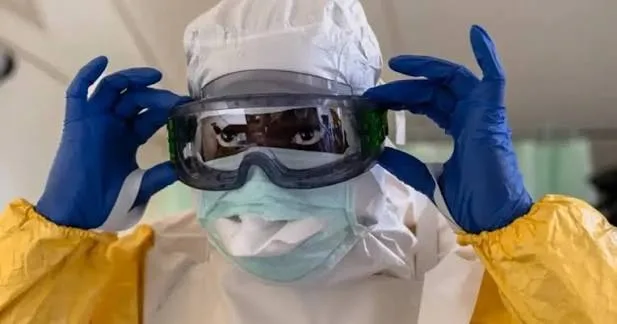
Nigeria’s first confirmed Ebola case in more than a decade involves the wife of a Swiss diplomat stationed in Abuja, the Swiss government has confirmed, as public health authorities work to contain the infection and establish where the woman was exposed to the virus.
The 42-year-old woman, who was born in Uganda and is a Swiss national, tested positive for the Bundibugyo strain of Ebola on October 20 after developing symptoms earlier in the month. She had travelled to Nigeria from Uganda and was receiving medical care in isolation at a private hospital in Abuja, according to the World Health Organization (WHO) and Switzerland’s Federal Department of Foreign Affairs.
The WHO said the patient developed symptoms on October 7, four days after arriving in Nigeria, and sought medical attention at a private health facility in Abuja on October 11. Laboratory tests confirmed the infection nine days later. Nigerian authorities have identified 44 people who may have been exposed to the patient and are monitoring them as part of efforts to prevent further transmission. The contacts include people whose movements or interactions with the patient are being assessed; they are not 44 additional confirmed Ebola cases.
Switzerland said the woman and her husband had travelled together to Uganda in the weeks before her diagnosis and that she may have contracted the virus during that trip. Her husband, who accompanied her, has been placed in isolation as a precaution but has not developed symptoms, according to the Swiss foreign ministry. The ministry also said other staff at the Swiss embassy in Abuja were well and, following consultations with Nigerian health officials and the WHO, did not need to isolate.
The source of the infection, however, remains unresolved. Ugandan officials previously said the woman had travelled to eastern Democratic Republic of the Congo (DRC), where the current outbreak began, before passing through Uganda. Switzerland has rejected that account, saying neither the woman nor her husband visited the DRC. The WHO and Africa Centres for Disease Control and Prevention have said they had not received verified information confirming that she travelled there, and investigations are continuing to reconstruct her movements and possible exposure.
Nigeria’s health authorities have activated emergency response arrangements, including contact tracing, case investigation and measures to strengthen infection prevention and control. The WHO said it was supporting the government with technical assistance, protective equipment and supplies for healthcare workers. Authorities are also examining the patient’s movements and the healthcare facilities she visited before her diagnosis to identify potential exposure points.
The confirmed infection is part of a wider outbreak of Bundibugyo virus disease that was declared in the DRC in May 2026. By October 20, the WHO had recorded 9,704 confirmed cases and 4,687 deaths in the DRC. Kenya had reported nine cases, including one death, with the other infections linked to the initial imported case. Nigeria’s case has added another country to the outbreak’s geographic spread and raised the importance of coordination across borders.
Bundibugyo virus is one of the viruses that cause Ebola disease, a severe illness that can spread through direct contact with the blood or other bodily fluids of an infected person, or contaminated materials. There are currently no approved vaccines or specific treatments for the Bundibugyo strain, making early detection, supportive medical care, contact tracing and infection-control procedures particularly important. The WHO has advised against imposing travel or trade restrictions on affected countries, while calling for sustained surveillance and readiness.
Nigeria previously experienced an Ebola outbreak in 2014, when an infected Liberian-American traveller arrived in Lagos. The outbreak resulted in 20 confirmed cases and eight deaths before it was contained. The latest case comes as the country is strengthening surveillance at entry points and coordinating with regional and international health agencies. Whether the infection remains isolated will depend on the effectiveness of contact monitoring and the ability of authorities to identify any additional exposure linked to the patient.
The case places renewed focus on Nigeria’s capacity to detect imported infections quickly while maintaining public confidence in the response. Although one confirmed case does not by itself establish community transmission, the patient’s travel and treatment history make contact tracing and transparent public health communication central to limiting further spread. The investigation into the source of infection also matters beyond Nigeria, as health authorities across the region work to understand how the outbreak is moving between countries and strengthen protections for healthcare workers and travellers.
Health
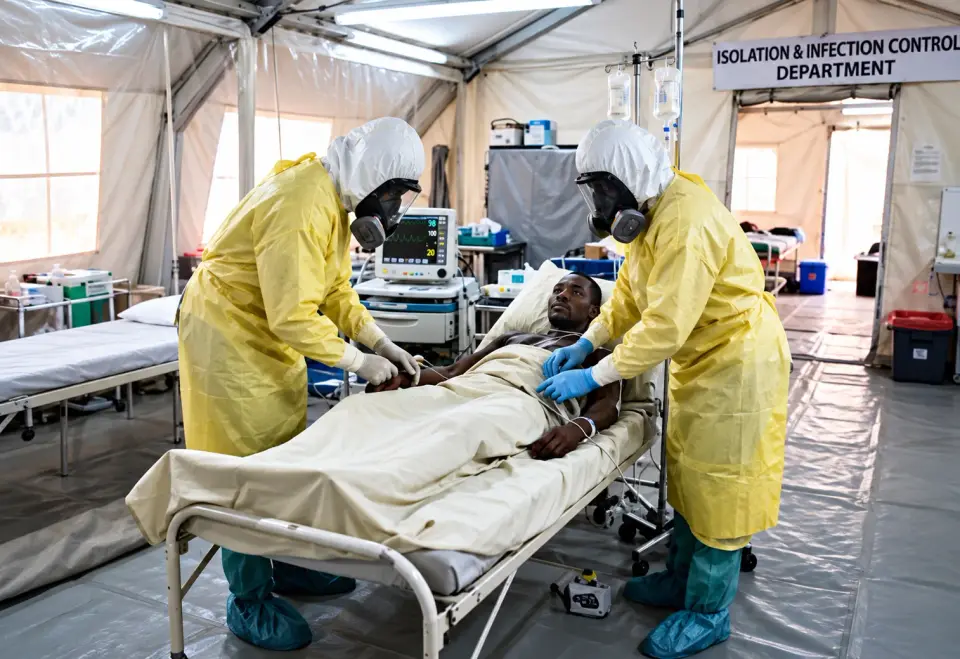
Nigeria Confirms First Ebola Case Since 2014, Tracks 44 Contacts
20 Oct 2026
Health
Kenya Confirms First Ebola Case Linked to DR Congo as Patient Dies
6 Oct 2026
Health
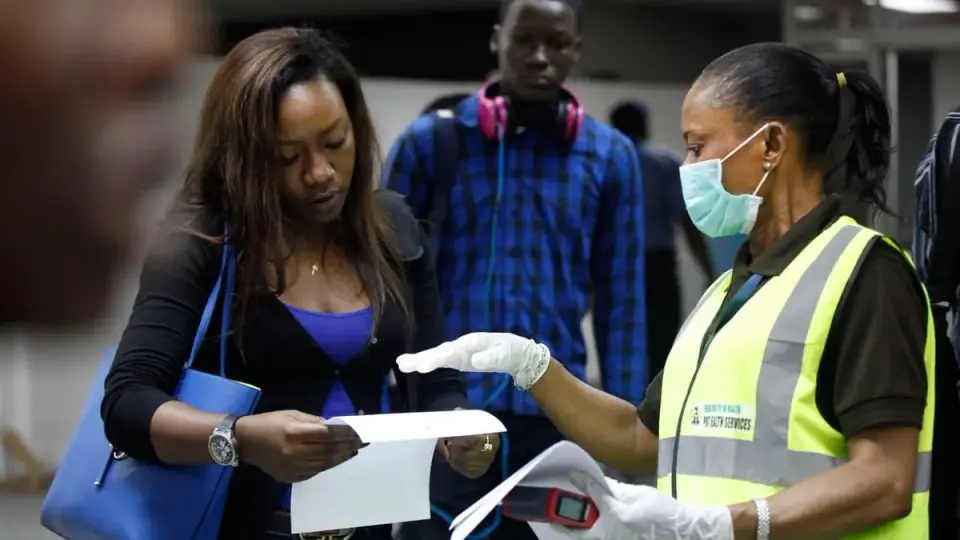
Nigeria Tightens Health Screening for Travellers From Ebola-Affected Countries
24 Sept 2026

Health
France Confirms World’s First Human Case of Shamonda Virus
22 Oct 2026
Health
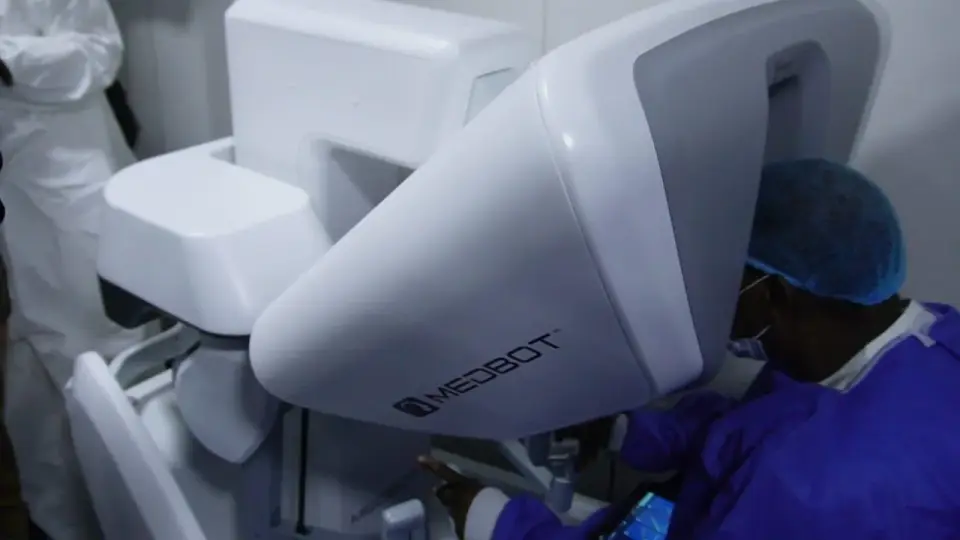
Nigeria Records First Tele-Robotic Surgery as Doctors Remove Cancerous Kidney Tumour
21 Sept 2026
Partner with Follow Global Trends
Display banners, sponsored stories and founder spotlights.
You may also like
Health
WHO Appeals for Global Support as Congo’s Worst Ebola Outbreak Overwhelms Health System
10 Sept 2026
Health
WHO Warns of Rising Non-Communicable Disease Deaths in Africa, Seeks Safer Healthcare
17 Sept 2026
Health
DR Congo Ebola Outbreak Spreads Exponentially, UN Warns as Death Toll Tops 2,500.
21 Aug 2026

Health
Dubai Launches World’s First Authority Dedicated to Human Longevity
28 Sept 2026
Health
UK-Based Indian Nurse Wins $250,000 Global Nursing Award for Organ Donation Leadership
13 Sept 2026
Health
NAFDAC Blames Local Chinese Syndicates for Surge in Fake Goods Across Nigeria
9 Sept 2026