
DR Congo Ebola Outbreak Spreads Exponentially, UN Warns as Death Toll Tops 2,500.
The UN says Ebola is spreading faster than health teams can contain it in the Democratic Republic of Congo.
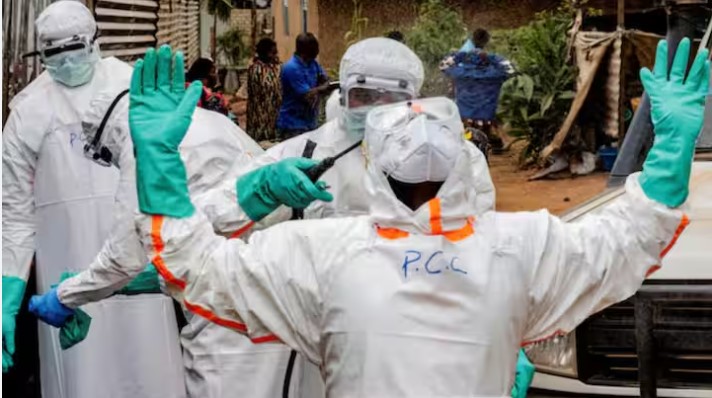
The Ebola outbreak in the Democratic Republic of Congo has reached a critical new stage, with the United Nations warning that the epidemic is now spreading “exponentially” and has killed more than 2,500 people.
Julien Harneis, the UN's senior coordinator for the Ebola response, said on Friday that the outbreak was expanding across an area larger than France and was moving faster than any previous Ebola outbreak. About half of the reported deaths have occurred in the past 20 days, highlighting the speed at which the crisis is escalating.
The scale of the outbreak has already made it the deadliest Ebola epidemic in the DRC's history. It has surpassed the country's 2018–2020 outbreak, which had previously been its most severe, and health officials now face the added challenge of controlling transmission across multiple provinces affected by insecurity and population movement.
The current outbreak involves Bundibugyo virus, a relatively rare Ebola species for which there is currently no licensed vaccine or specific approved treatment. The DRC declared the outbreak on May 15 after cases were detected in Ituri Province, and it has since spread into other parts of the country.
The World Health Organization has classified the situation as a Public Health Emergency of International Concern, reflecting the potential for the outbreak to spread across borders and the need for a coordinated international response. Cases linked to the DRC outbreak have already been detected outside the country, including imported cases in France, while Uganda has also reported infections.
The latest numbers also illustrate how quickly the situation has changed. WHO reported 3,605 confirmed cases and 1,587 deaths in the DRC as of July 30. More recent reporting based on health authorities and international agencies puts the death toll above 2,500 and the number of confirmed cases above 5,000. The gap between the figures reflects the rapid development of the outbreak and the difficulty of maintaining real-time surveillance in affected areas.
The response is being complicated by conditions on the ground. Armed conflict, displacement, poor access to some communities and population movements are making contact tracing and treatment more difficult. According to the latest reporting, only a small proportion of expected contacts are being successfully tracked, while many infections are being identified among people who were not previously known to health teams.
Health workers are also paying a heavy price. Reuters reported that 160 healthcare workers have been infected and 43 have died, while more than 260 attacks against health workers have been recorded over the past six months. Misinformation and distrust have contributed to resistance against response teams, including attacks on ambulances and medical facilities.
Funding is emerging as another major concern. UN officials have warned that the resources supporting the response could run short within weeks, even as frontline teams face difficulties reaching communities and compensating workers. International health agencies and partners are calling for additional financing to prevent the outbreak from moving further beyond the areas currently affected.
There are nevertheless efforts to expand the medical response. WHO said the DRC would receive 70,000 doses of the Ervebo Ebola vaccine for use in the response, although that vaccine was developed for the Zaire species rather than Bundibugyo. Clinical research into vaccines and treatments specifically relevant to the current outbreak is also underway.
The challenge now is not simply the number of cases but the speed and geography of transmission. An outbreak that spreads through communities faster than surveillance teams can identify contacts becomes considerably harder and more expensive to contain, particularly in areas where conflict and mistrust already limit access to healthcare. For the DRC and its neighbours, the latest UN warning is therefore a reminder that Ebola is no longer a localized emergency that can be managed with isolated interventions. Without faster financing, stronger community cooperation and sustained international support, the current outbreak risks becoming a wider regional health crisis with consequences far beyond the communities where it began.
Health
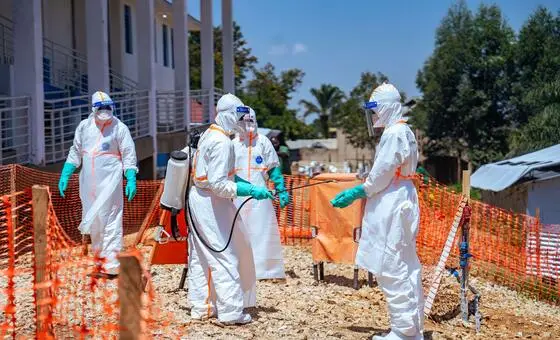
Ebola Breaks Deadliest-Outbreak Record in DR Congo as Death Toll Hits 2,325
17 Aug 2026
Health
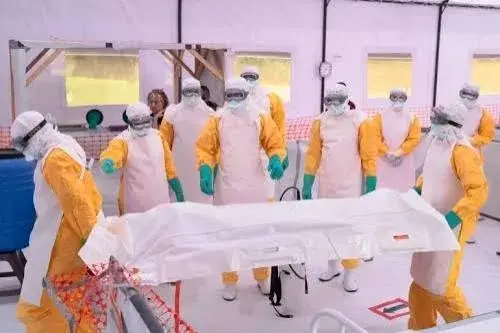
WHO Appeals for Global Support as Congo’s Worst Ebola Outbreak Overwhelms Health System
10 Sept 2026
Health
Kenya Confirms First Ebola Case Linked to DR Congo as Patient Dies
6 Oct 2026
Health
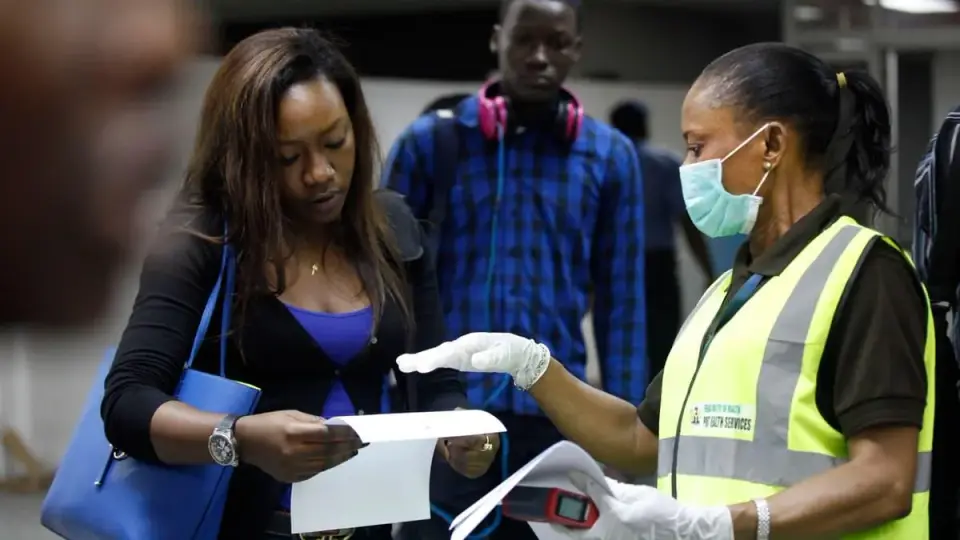
Nigeria Tightens Health Screening for Travellers From Ebola-Affected Countries
24 Sept 2026
Health
WHO Warns of Rising Non-Communicable Disease Deaths in Africa, Seeks Safer Healthcare
17 Sept 2026
Partner with Follow Global Trends
Display banners, sponsored stories and founder spotlights.
You may also like
Health
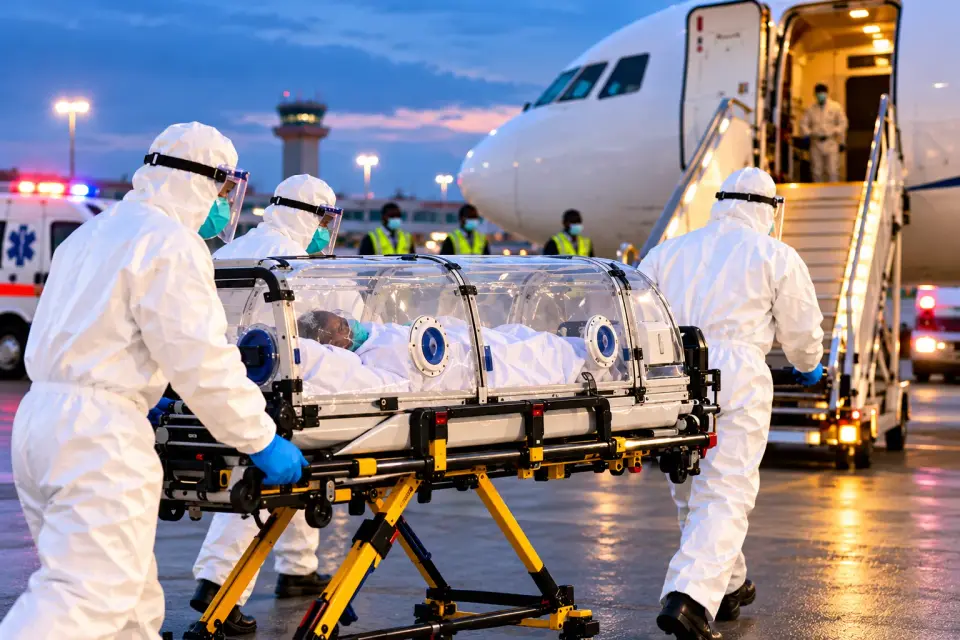
Ebola Patient Set for Evacuation From Nigeria for Treatment
26 Oct 2026
Health
Swiss Government Identifies Ebola Patient as Diplomat’s Wife in Abuja
25 Oct 2026
Health
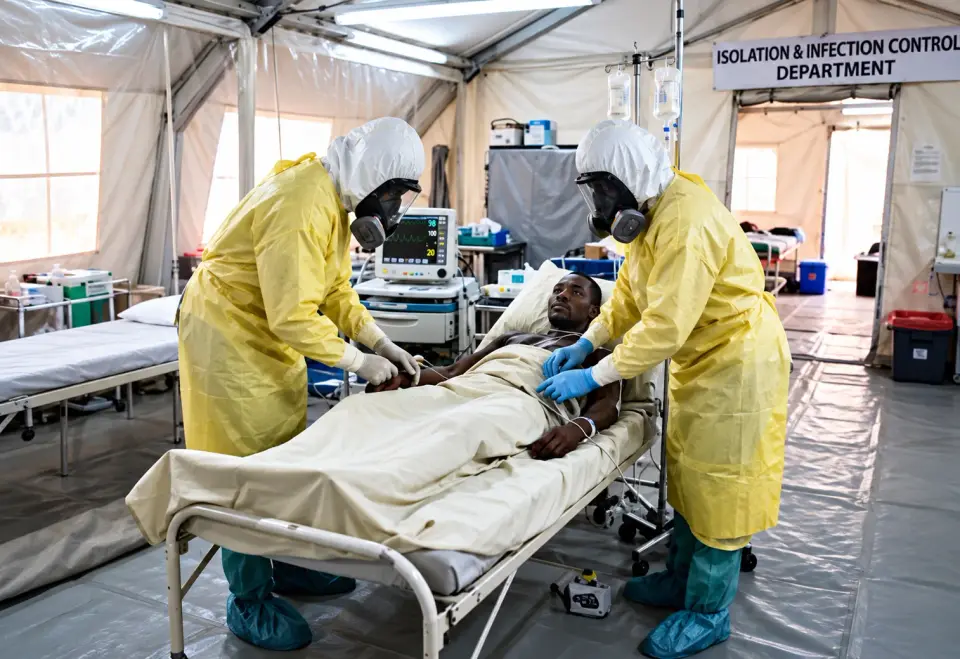
Nigeria Confirms First Ebola Case Since 2014, Tracks 44 Contacts
20 Oct 2026

Health
Euracare Challenges Probe Into Death of Chimamanda Adichie’s Son
29 Sept 2026

Health
Vanessa Trump Says She’s Cancer-Free Six Months After Diagnosis
24 Oct 2026
Health
Mbah Commissions Anchorage Pharmaceutical Production Facility in Enugu
22 Oct 2026